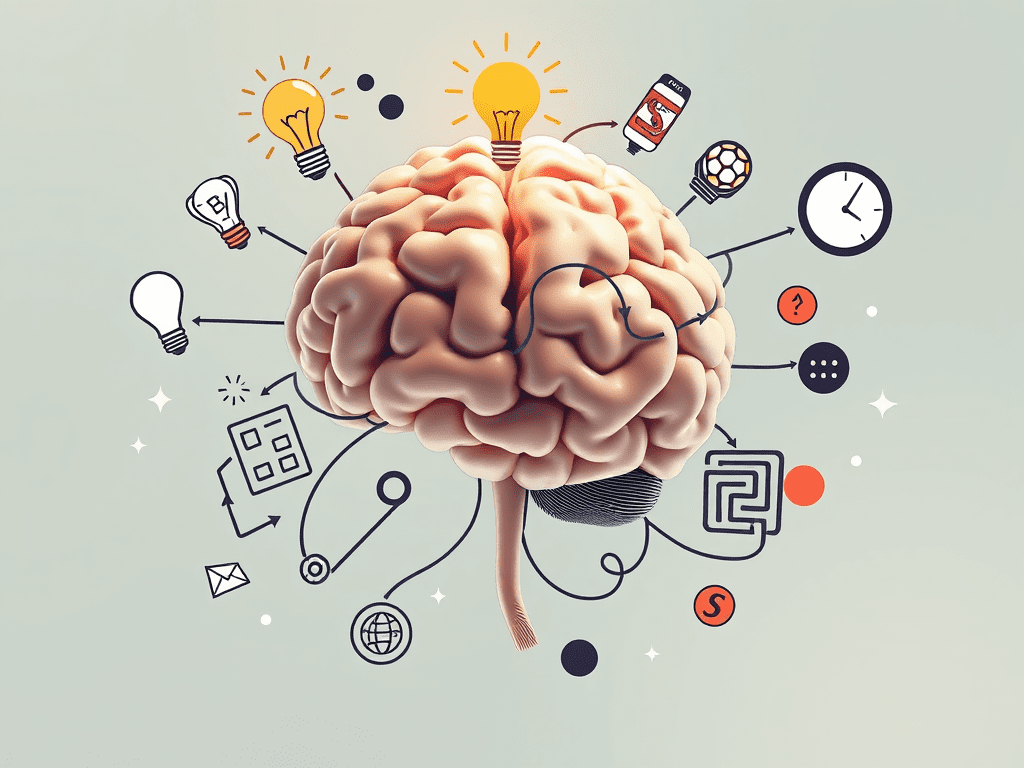
In today’s hyper‑competitive business landscape, top CEOs don’t just rely on experience or charisma—they harness proven cognitive skill hacks to think faster, smarter, and more strategically every single day. By understanding the neuroscience of decision‑making and cultivating a mindset geared toward peak mental agility, executives can unlock peak performance at every level of leadership. This comprehensive guide delves into the foundational principles behind cognitive mastery, setting the stage for the advanced techniques that follow.
The CEO Mindset: Foundations Of Peak Cognitive Performance
Before diving into specific brain‑hacking strategies, it’s essential to establish the core mindset and scientific underpinnings that enable executives to sustain high‑level thinking under pressure. This section defines what peak performance means in an executive context and examines the cognitive science that powers the five transformative hacks featured in this guide.
Defining Peak Performance In Executive Leadership
Peak performance in the C‑suite goes beyond working longer hours—it’s about maximizing the quality, speed, and creativity of thought. When CEOs operate at their cognitive best, they:
- Think Faster: Rapidly process complex information to make timely decisions.
- Think Smarter: Synthesize data and intuition to craft innovative solutions.
- Maintain Focus: Sustain deep work sessions without mental fatigue.
- Adapt Quickly: Pivot strategies fluidly in response to market shifts.
By unlocking these capabilities, executives can transform decision‑making into a competitive advantage, driving organizational growth and resilience.
The Science Behind Cognitive Skill Hacks
Cognitive skill hacks aren’t mere productivity gimmicks—they’re grounded in decades of neuroscience research. Understanding how the brain adapts, processes information, and governs attention provides the blueprint for intentional mental performance optimization. Two pillars of this science are neuroplasticity and the key cognitive domains that underpin every CEO’s success.
Neuroplasticity And Brain Training Principles
Neuroplasticity refers to the brain’s remarkable ability to rewire itself in response to new experiences, learning, and targeted practice. For CEOs seeking to boost mental agility, this means:
- Deliberate Practice: Engaging in focused mental exercises that challenge existing neural pathways.
- Consistent Repetition: Reinforcing new cognitive patterns through daily routines and drills.
- Progressive Complexity: Gradually increasing task difficulty to stimulate continuous growth.
By leveraging neuroplasticity, executives can systematically train their brains to operate at higher levels of speed, accuracy, and creative problem‑solving.
Core Cognitive Domains For CEOs: Focus, Memory, Speed
While the brain comprises countless interrelated functions, three core domains stand out as critical for executive leadership:
- Sustained Focus: The ability to concentrate deeply on high‑stakes tasks and block out distractions.
- Working Memory: Holding and manipulating information in mind to solve complex problems.
- Processing Speed: Rapidly interpreting data, recognizing patterns, and shifting between concepts.
Optimizing these domains lays the groundwork for thinking faster and smarter. Throughout this article, we’ll explore targeted hacks—ranging from rapid focus amplification to memory enhancement mastery—that build upon these foundational cognitive pillars.
Hack #1: Rapid Focus Amplification For Unstoppable Productivity
In an era of constant connectivity, the ability to harness razor‑sharp focus is the cornerstone of peak performance. This first cognitive skill hack equips top CEOs with rapid focus amplification techniques that turbocharge productivity, minimize mental fatigue, and cultivate a state of deep work—enabling you to think faster and smarter every day.
High‑Intensity Interval Focus Sessions
Borrowing principles from high‑intensity interval training (HIIT), High‑Intensity Interval Focus Sessions (HIIFS) leverage timed bursts of concentrated work followed by brief recovery periods. This approach optimizes the brain’s attentional resources and prevents burnout.
- Session Length: Conduct 25‑ to 45‑minute focus sprints targeting a single priority task.
- Break Protocol: Follow each sprint with a 5‑ to 10‑minute active break—stand, stretch, or take a short walk.
- Progress Tracking: Use a simple log or digital timer to record completed sprints and assess improvement over time.
- Adaptive Intensity: Gradually increase sprint durations or decrease break intervals to challenge cognitive endurance.
By cycling between intense focus and recovery, HIIFS harness the brain’s natural attentional oscillations, resulting in sustained mental clarity throughout the day.
Eliminating Cognitive Distractions
Distractions are productivity kryptonite—fragmenting attention and depleting cognitive energy. CEOs who master distraction management reclaim mental bandwidth for deep work. Two critical sub‑strategies are digital minimalism and environmental optimization.
Digital Minimalism And Notification Management
Digital minimalism streamlines your tech ecosystem, so only mission‑critical alerts penetrate your focus bubble. Implement these best practices:
- App Audit: Identify non‑essential applications and mute or uninstall them.
- Notification Hierarchy: Configure “Do Not Disturb” with exceptions for VIP contacts and urgent business tools.
- Batch Processing: Check email and messaging platforms at predetermined intervals—ideally 2–3 times per day.
- Minimalist Home Screen: Limit your smartphone’s home screen to essential productivity apps to reduce mindless tapping.
These measures create a digital environment that supports, rather than sabotages, deep focus and strategic thinking.
Environmental Optimization For Deep Work
Your physical surroundings profoundly influence concentration. Design a workspace that signals to your brain: “It’s time to think fast and smart.” Consider the following tactics:
- Clutter Reduction: Keep your desk surface clear—store reference materials out of sight until needed.
- Ergonomic Setup: Position monitor at eye level, use a supportive chair, and maintain proper lighting to reduce physical strain.
- Acoustic Control: Employ noise‑canceling headphones or ambient soundtracks that reinforce focus (e.g., binaural beats or low‑volume instrumental music).
- Intentional Décor: Incorporate greenery and minimalistic artwork to foster calm and cognitive resilience.
By optimizing environmental variables, you cultivate a mental “trigger”—each step in your workspace ritual primes your brain for peak cognitive performance.
Integrating Rapid Focus Hacks Into Your Daily Routine
Consistency transforms hacks into habits. Follow this 3‑step integration plan to embed rapid focus amplification into every workday:
- Morning Calibration: Begin with one HIIFS sprint to tackle your most demanding task before opening email.
- Midday Reset: Schedule a distraction‑free window—apply digital minimalism and environmental optimization to power through complex decisions.
- Afternoon Wind‑Down: Use shorter focus sprints (15–20 minutes) coupled with microbreaks (2–3 minutes) to maintain mental agility without late‑day burnout.
Over time, these structured focus intervals and distraction elimination strategies become second nature, empowering you to execute high‑impact work with speed and precision.
Measuring Your Focus Gains
Data‑driven CEOs quantify the impact of cognitive skill hacks. Track your progress with these metrics:
- Task Completion Rate: Compare the number of high‑priority tasks completed per week before and after implementing HIIFS.
- Perceived Focus Level: Use a simple self‑rating scale (1–10) at the start and end of each sprint to monitor mental acuity.
- Break Efficiency: Record how recovery periods affect your subsequent sprint quality—adjust break lengths accordingly.
Regularly reviewing these indicators ensures continuous improvement, allowing you to fine‑tune your approach and sustain unstoppable productivity.
Hack #2: Memory Enhancement Mastery To Think Smarter
Memory is the bedrock of strategic thinking. Top CEOs leverage advanced memory enhancement techniques to recall critical data, connect disparate concepts, and anticipate opportunities ahead of competitors. This hack transforms your memory from a passive storage vault into an active, dynamic tool—empowering you to think smarter under pressure and make informed decisions with confidence.
Visual Mnemonics And Mind Mapping Techniques
Visual mnemonics and mind mapping harness the brain’s innate affinity for imagery, spatial relationships, and pattern recognition. By translating abstract information into vivid mental scenes, executives can solidify complex concepts in long‑term memory and retrieve them on demand.
- The Memory Palace Method: Assign key concepts to specific “rooms” in an imagined architectural space. Walk through your palace during meetings or presentations to systematically retrieve points.
- Chunking And Association: Break large data sets into smaller clusters and link them via memorable images—e.g., picturing “quarterly revenue” as a stack of gold coins beside a calendar page.
- Color‑Coded Mind Maps: Use hues to differentiate themes or priority levels. Color triggers neural pathways, facilitating faster recall of clustered ideas.
- Iconic Sketch Notes: During brainstorming sessions, sketch simple icons alongside keywords to reinforce visual‑verbal connections.
Implementing these methods for board reports, strategy frameworks, or negotiation points enables you to access critical information instantly—minimizing dependence on written notes and boosting mental agility.
Spaced Repetition Systems For Long‑Term Retention
Spaced repetition leverages the psychological spacing effect, which shows that information is more likely to transition into long‑term memory when review sessions are distributed over increasing intervals. CEOs apply this scientifically validated approach to cement vital knowledge without overloading cognitive resources.
Leveraging Digital Memory Tools And Apps
Modern spaced repetition software (SRS) automates scheduling and tracks recall accuracy, making memory training scalable for executives. Key features to prioritize include:
- Adaptive Scheduling: Algorithms extend review intervals for well‑retained items and shorten them for challenging material.
- Multimedia Support: Incorporate images, audio snippets, or short video clips to reinforce multi‑sensory encoding.
- Progress Dashboards: Visual charts display retention curves and forecast optimal review times for each knowledge nugget.
- Mobile Accessibility: Sync your decks across devices—practice key facts during brief gaps between meetings.
By integrating an SRS into your daily workflow, you ensure that strategic frameworks, market analytics, and leadership models remain top of mind—without manual tracking or guesswork.
Daily Recall Drills And Executive Brain Games
Complement digital tools with structured recall drills and targeted brain games that strengthen working memory capacity and retrieval speed:
- Morning Flashcard Sessions: Spend 5–10 minutes each morning reviewing high‑impact flashcards—focus on key metrics, competitor profiles, and emerging trends.
- N-Back Challenges: Engage in N‑back tasks (2‑back or 3‑back) to boost dynamic information updating and executive control.
- Verbal Recall Rounds: After team meetings, mentally rehearse the top three takeaways within 10 minutes to solidify learning and model memory excellence for your direct reports.
- Competitive Memory Games: Join peers in memory‑sport‑inspired challenges (e.g., decks of cards recall or number‑sequence competitions) to sharpen focus under pressure.
These daily rituals turn memory enhancement into an effortless habit—ensuring that critical intelligence and strategic insights remain instantly accessible throughout high‑stakes scenarios.
Hack #3: Speed Reading And Efficient Information Processing
In today’s fast‑paced executive landscape, the ability to digest vast amounts of information swiftly and accurately is non‑negotiable. Hack #3 equips top CEOs with proven speed‑reading strategies and efficient information‑processing techniques that minimize time spent on routine reading while maximizing comprehension—empowering you to think faster and smarter every day.
Skimming Versus Deep Reading For Busy CEOs
Distinguishing between skimming and deep reading is crucial for time management. Skimming provides a rapid overview to identify relevance, while deep reading ensures full comprehension of critical documents. Implement the following two‑tiered approach:
- Stage 1 – Strategic Skimming:
- Preview Structure: Scan titles, headings, subheadings, bullet points, and summaries in reports or articles to gauge key themes.
- Keyword Hunt: Focus on industry‑specific jargon, financial figures, or action items to determine sections warranting deeper attention.
- One‑Sentence Snapshot: After skimming each section, formulate a concise one‑sentence summary to anchor core insights.
- Stage 2 – Targeted Deep Reading:
- Selective Engagement: Allocate deep reading time only to sections flagged during skimming—such as risk assessments, strategic recommendations, or executive summaries.
- Annotation Protocol: Use margin notes or digital highlights to capture salient points, questions, and action items for follow‑up.
- Reflection Pause: After each deep‑read segment, pause for 60–90 seconds to mentally integrate new information with existing knowledge frameworks.
By dynamically shifting between skimming and deep reading, CEOs can process more documents in less time without sacrificing critical understanding—laying the groundwork for faster, smarter decision‑making.
Peripheral Vision Expansion And Eye‑Tracking Drills
Effective speed reading hinges on expanding your visual span and training eye movements to reduce regressions. Peripheral vision drills and eye‑tracking exercises strengthen neural pathways for rapid information intake:
- Guided Focus Lines: Use a ruler or index card to guide your eyes horizontally across text blocks at increasing speeds, reducing fixation time per word.
- Flash Card Flick: Flash short phrases (3–5 words) on virtual or physical cards for 300–500 milliseconds, challenging your brain to recognize chunks of text instantaneously.
- Periphery Word Recognition: Practice identifying words located three to five characters away from your central gaze point to broaden your effective reading field.
- Regression Minimizer: Consciously limit backward eye movements by covering already read text with a sheet of paper—builds confidence in forward‑only reading.
Charting Reading Speed Improvements
Data‑driven CEOs measure and refine their speed‑reading progress. Track improvements with these metrics:
- Words‑Per‑Minute (WPM): Record baseline WPM using standardized tests, then reassess monthly to quantify gains.
- Comprehension Accuracy: Administer brief quizzes on key points after each reading session to ensure retention remains above 80%.
- Fixation Count: Use eye‑tracking apps or manual observation to monitor average fixations per line—aim to decrease by at least 20% over three months.
- Regression Rate: Track percentage of backward eye movements during timed readings—target a 30% reduction in the first six weeks.
By visualizing your progress, you maintain accountability and continuously refine techniques—driving consistent, measurable improvement in reading speed and comprehension.
Productivity Tools For Rapid Research
Complement manual speed‑reading drills with specialized digital tools that streamline information gathering and synthesis:
- Summarization Software: Leverage AI‑powered platforms to generate concise summaries of lengthy reports, research papers, or news articles.
- PDF Highlighters & Extractors: Use tools that automatically extract highlighted text into organized notes or databases for quick reference.
- RSS Aggregators: Centralize news feeds from industry‑specific sources into a single dashboard—reduce browser tab overload and manage reading priorities.
- Voice‑Activated Read‑Aloud: Employ text‑to‑speech features for passive consumption during commutes or exercise, enhancing exposure to key insights without visual effort.
- Browser Speed‑Reading Extensions: Install extensions that present text in rapid serial visual presentation (RSVP) format—train your brain to process one word or phrase at a time at customizable speeds.
Integrating these productivity tools with your speed‑reading practice amplifies your ability to process information swiftly, ensuring you stay ahead of market developments and industry trends.
Embedding Efficient Information Processing Into Executive Workflow
To transform speed‑reading mastery into a sustainable competitive edge, follow this three‑phase implementation plan:
- Phase 1 – Assessment & Baseline: Conduct initial speed and comprehension tests. Identify high‑traffic reading categories (e.g., financial reports, meeting briefs).
- Phase 2 – Skill Development: Allocate dedicated sessions (15–20 minutes daily) for peripheral vision drills and skimming/deep reading practice. Introduce one new digital tool each week.
- Phase 3 – Operationalization: Embed speed‑reading checkpoints into calendar routines—e.g., a daily “Rapid Read” slot. Use performance dashboards to review WPM, comprehension scores, and tool‑usage metrics monthly.
By systematically integrating speed‑reading and efficient information‑processing techniques, CEOs can cultivate a relentless pace of learning and insight generation—fueling smarter decisions and unlocking peak performance every day.
Hack #4: Strategic Mindfulness And Agile Thinking
In high‑stakes environments, emotional reactivity and rigid thought patterns can derail optimal decision‑making. Hack #4 combines strategic mindfulness practices with agile thinking drills to cultivate mental clarity, adaptability, and cognitive resilience—enabling CEOs to navigate complexity with composure and inventiveness.
CEO Meditation Routines For Cognitive Clarity
Meditation is more than stress relief—it’s a systematic training ground for attention regulation and emotional balance. Executives who commit to concise, targeted sessions experience enhanced focus, reduced cognitive load, and improved insight generation. Two complementary styles deliver maximum ROI in minimal time:
- Focused‑Attention Meditation:
- Duration: 10–15 minutes daily, ideally before strategic planning sessions.
- Technique: Anchor attention on the breath or a mantra. When the mind wanders, gently redirect focus without judgment.
- Benefit: Strengthens neural circuits for sustained concentration and diminishes reactionary thinking.
- Open‑Monitoring Meditation:
- Duration: 5–10 minutes following focused‑attention practice.
- Technique: Observe thoughts, emotions, and bodily sensations as passing events—no attachment or analysis.
- Benefit: Enhances cognitive flexibility and meta‑awareness, key for spotting biases and generating creative solutions.
For seamless integration, schedule these routines at consistent times—such as first thing in the morning and mid‑afternoon. Pair sessions with brief journaling (2–3 minutes) to capture emergent insights and track patterns in thought dynamics.
Adaptive Thinking Drills And Scenario Simulations
Agile thinking requires the ability to shift mental frameworks rapidly and anticipate multiple futures. By practicing targeted drills and immersive simulations, CEOs fortify their capacity to pivot strategies, handle uncertainty, and exploit emergent opportunities.
Cognitive Flexibility Games And Puzzles
Structured games and puzzles serve as mental agility boot camps—challenging executives to switch tasks, override habitual responses, and think laterally under time pressure.
- Stroop‑Style Drills: Use custom flashcards or apps that present color words printed in incongruent ink (e.g., “BLUE” in red text). Name the ink color, not the word—to train inhibitory control.
- Dual N‑Back Exercises: Incorporate 2‑back or 3‑back tasks that require simultaneous tracking of spatial and auditory sequences—boosting working memory and task‑switching speed.
- Strategy Puzzles: Engage with chess tactics puzzles or Go endgame scenarios for 10 minutes daily—promoting pattern recognition and anticipatory planning.
- Logic Grid Challenges: Solve timed logic grids or Sudoku variants, emphasizing rapid hypothesis testing and error correction.
Rotate these exercises weekly to prevent plateauing and to stimulate different neural pathways.
Real‑World Decision‑Making Exercises
Beyond abstract drills, applying scenario simulations in business contexts embeds agile thinking into operational workflows. These exercises foster strategic foresight and collaborative adaptability:
- Red‑Teaming Sessions: Assign a small group to challenge your strategy or proposal—role‑play competitor tactics, regulatory shifts, or black‑swan events.
- Scenario Planning Workshops: Develop three to five plausible market futures, mapping critical uncertainties, key drivers, and contingency responses.
- War‑Gaming Exercises: Simulate end‑to‑end product launch or crisis response over a condensed timeline—rotate leadership roles to expose decision biases.
- Delphi Technique Rounds: Conduct anonymous expert surveys in iterative waves, refining forecasts on emerging trends and converging on high‑confidence insights.
Document outcomes and decision‑paths from each exercise. Debrief with your leadership team to extract lessons learned and integrate adaptive strategies into your strategic roadmap.
Embedding Mindfulness And Agility Into Daily Leadership
To solidify gains, weave mindfulness and agile thinking into your executive routine:
- Pre‑Meeting Ritual: Begin key meetings with a 2‑minute silent breathing exercise to center attention and foster collective focus.
- Post‑Decision Reflection: Allocate 5 minutes after major decisions to note emotional responses, cognitive biases spotted, and alternative scenarios considered.
- Weekly Agility Check‑In: Schedule a brief review of scenario exercises and puzzle performance—adjust difficulty and variety to sustain progress.
Over time, these practices become embedded in your leadership DNA—ensuring you navigate ambiguity with calm, adapt rapidly to change, and consistently unlock peak performance.
Hack #5: Nutritional And Lifestyle Optimization For Executive Brainpower
Peak cognitive performance demands more than mental drills—it requires fueling your brain and body with premium nutrients, restorative sleep, and strategic movement. Hack #5 integrates nutritional optimization, targeted sleep hacks, and exercise protocols to amplify mental agility, bolster resilience, and sustain executive-level energy, enabling you to think faster and smarter every day.
Brain‑Boosting Diets, Nootropics, And Hydration
Your diet provides the building blocks for neurotransmitter synthesis, synaptic plasticity, and sustained focus. Executives who prioritize nutrient‑dense, cognitively supportive foods gain a competitive edge in strategic thinking and mental stamina.
- Omega‑3 Fatty Acids:
- Found in cold‑water fish (salmon, mackerel) and algae supplements.
- Supports synaptic function, mood regulation, and memory consolidation.
- Antioxidant‑Rich Fruits and Vegetables:
- Blueberries, leafy greens, and cruciferous vegetables neutralize oxidative stress.
- Protects neural tissue and enhances cognitive longevity.
- Complex Low‑Glycemic Carbohydrates:
- Whole grains, legumes, and sweet potatoes maintain stable blood glucose.
- Prevents energy crashes and preserves executive function during extended focus sessions.
- Functional Fats and Proteins:
- Avocado, nuts, seeds, and lean proteins supply choline and amino acids.
- Enhances acetylcholine production for improved attention and learning.
- Evidence‑Based Nootropics:
- Caffeine + L-Theanine: Synergistic pairing that elevates alertness without jitteriness—optimal dose ~100 mg caffeine to 200 mg L‑theanine.
- Rhodiola Rosea: Adaptogen shown to reduce fatigue and support mental endurance when standardized to ≥3% rosavins.
- Optimal Hydration:
- Dehydration as low as 2% body weight impairs cognitive performance.
- Aim for 0.5–1 ounce of water per pound of body weight daily; augment with electrolyte‑balanced beverages during prolonged meetings or travel.
Design weekly meal plans emphasizing these nutrients. Use prep strategies to ensure on‑the‑go access to brain‑fueling snacks—such as mixed nuts, fruit and yogurt parfaits, or pre‑portioned protein bites.
Sleep Hacks For Peak Mental Agility
Sleep is the ultimate cognitive restoration process—critical for memory consolidation, emotional regulation, and neural detoxification. Executives often sacrifice sleep, but strategic sleep hacks amplify peak performance without time‑wasting. Two advanced approaches include polyphasic sleep techniques and power nap protocols.
Polyphasic Sleep Methods And Power Naps
Polyphasic sleep distributes rest across multiple shorter cycles, potentially increasing overall wakeful hours while preserving cognitive restoration.
- Everyman Schedule (Recommended Hybrid):
- One core sleep bout of 3–4 hours (e.g., 1 a.m.–5 a.m.) plus three 20‑minute naps spaced evenly (mid‑morning, mid‑afternoon, early evening).
- Maintains REM and slow‑wave sleep phases; suits busy executive calendars.
- Uberman Schedule (Advanced):
- Six to eight 20‑minute naps every 4 hours—requires rigorous adherence and adaptation period.
- High risk of cognitive deficits if not managed precisely; best for short‑term productivity sprints.
- Power Nap Optimization:
- 15–20 minutes maximizes alertness via stage 2 sleep without entering deep slow‑wave phases.
- Schedule naps pre‑commits (e.g., 2 p.m.) to counteract post‑lunch circadian dips.
Microbreak Strategies To Sustain Energy
Even brief pauses interspersed throughout the workday maintain circadian alignment and prevent cognitive fatigue:
- 20‑20‑20 Rule: Every 20 minutes, take a 20‑second break, focusing your eyes on an object 20 feet away to reduce digital eye strain and mental burnout.
- Active Stretch Microbreaks: Stand, stretch arms overhead, and rotate shoulders for 60 seconds every hour—boosts cerebral blood flow.
- Mindful Breathing Pauses: Perform 3–5 deep diaphragmatic breaths to reset the autonomic nervous system and sharpen focus.
Embedding microbreaks transforms rest into a strategic performance tool, ensuring sustained productivity without diminishing mental acuity.
Physical Exercise And Recovery Protocols
Regular physical activity is among the most potent cognitive enhancers—elevating BDNF levels, improving neurogenesis, and fortifying executive function. Combine high‑impact workouts with targeted recovery to maximize brain health.
- High‑Intensity Interval Training (HIIT):
- Short bursts (30 seconds–1 minute) of all‑out effort followed by equal recovery periods—for 15–20 minutes total.
- Boosts cerebral blood flow, stimulates growth factors, and improves metabolic health.
- Resistance Training:
- 2–3 sessions per week focusing on compound movements (squats, deadlifts, presses).
- Enhances insulin sensitivity and supports hippocampal volume maintenance.
- Recovery Modalities:
- Contrast Therapy: Alternate 2–3 minutes in cold water (50–60°F) and warm shower to reduce inflammation and accelerate muscle repair.
- Foam Rolling & Myofascial Release: 5–10 minutes post‑workout to improve circulation and reduce neuromuscular tension.
- Sleep Hygiene Sync: Align workouts to end at least 2 hours before bedtime to avoid overstimulation of the nervous system.
By integrating these exercise and recovery protocols into your weekly schedule, you fortify the neural foundations of cognitive agility—ensuring top‑tier executive performance endures under any pressure.
Discover more from Alchem Learning
Subscribe to get the latest posts sent to your email.