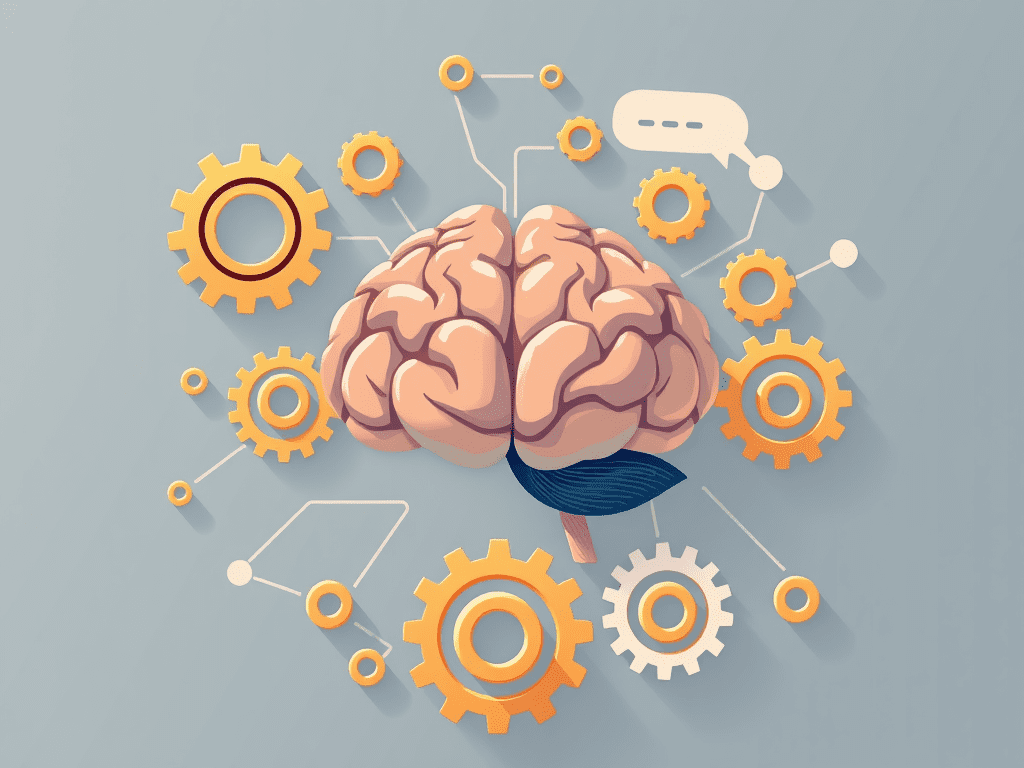
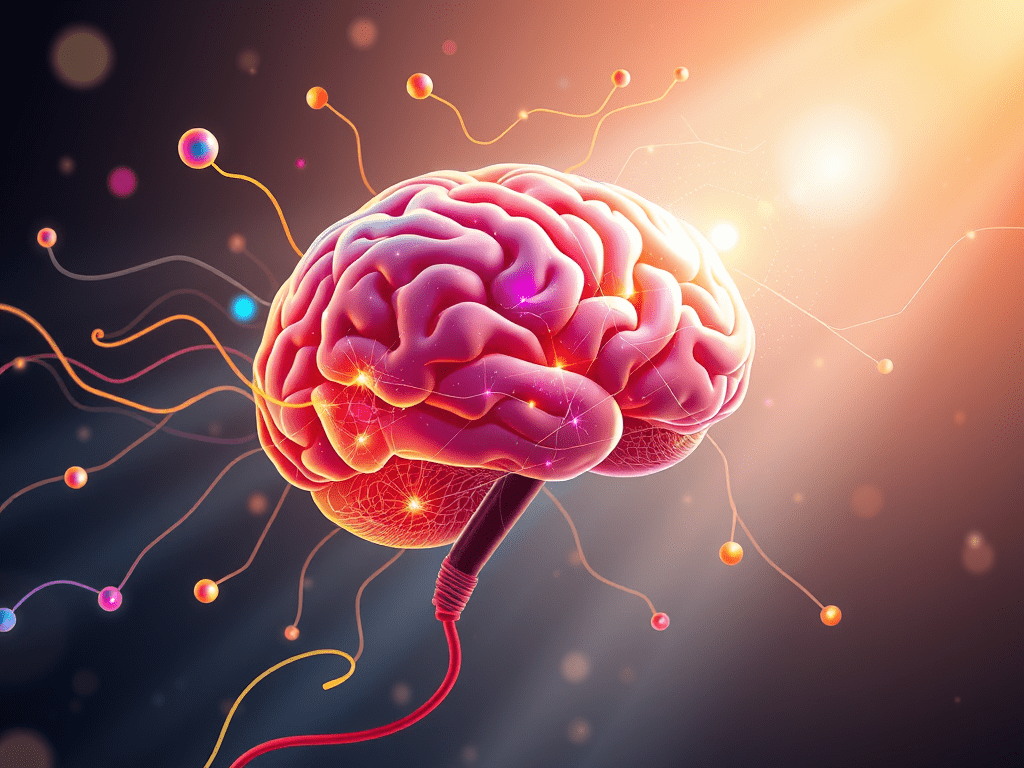
Emotions drive everything—from our daily decisions to our long-term goals. Yet, for many people, feelings remain a mystery. The Emotional Intelligence Matrix is a powerful framework that helps individuals decode their emotional responses and use them as tools for meaningful personal growth. Grounded in the science of emotional intelligence (EQ), this matrix goes beyond basic self-help advice. It offers a structured approach to understanding emotions, improving relationships, and becoming more resilient. In a world that increasingly values emotional agility, mastering this framework isn’t just beneficial—it’s essential for thriving in both personal and professional life.
Understanding The Emotional Intelligence Matrix: The Foundation
Before diving into strategies and tools, it’s important to establish a strong foundation. Emotional intelligence isn’t just a buzzword—it’s a measurable set of competencies that impact how we perceive, understand, and manage emotions. The Emotional Intelligence Matrix distills these competencies into a clear, actionable system that helps individuals gain awareness, control emotional reactions, and improve interpersonal dynamics. In this section, we’ll define the matrix, break down its core components, and explore why emotional decoding is key to accelerating personal development.
What Is The Emotional Intelligence Matrix?
The Emotional Intelligence Matrix is a structured model that maps out the key domains of emotional intelligence and how they interact. Think of it as a mental dashboard—one that helps you read your internal states and translate them into constructive actions. It’s built upon four major pillars that align with widely accepted psychological frameworks, including Daniel Goleman’s EQ model and the Mayer-Salovey-Caruso Emotional Intelligence Test (MSCEIT).
These four pillars include:
- Emotional Self-Awareness: Recognizing and understanding your own emotions in the moment.
- Emotional Regulation: Managing your emotional reactions in healthy, productive ways.
- Social Awareness (Empathy): Understanding others’ emotions, social dynamics, and unspoken cues.
- Relationship Management: Using emotional insights to communicate effectively and build strong connections.
When visualized in matrix form, these competencies create a 2×2 grid with “Self” and “Others” on one axis and “Awareness” and “Management” on the other. This layout helps individuals quickly identify which area they need to develop based on their personal or situational challenges.
Key Components Of The EI Matrix
Emotional Self-Awareness
This is the cornerstone of the entire framework. Emotional self-awareness involves noticing what you’re feeling and naming it accurately. Many people confuse stress with anger, or fear with shame. By developing a more nuanced emotional vocabulary, you gain the ability to choose responses rather than reacting impulsively.
Common indicators of high self-awareness include:
- Ability to name your emotions in real time
- Awareness of how emotions influence your thoughts and actions
- Recognition of emotional triggers
Emotional Regulation
Once you can identify your emotional states, the next step is managing them. Emotional regulation means you can stay calm under pressure, delay gratification, and respond rather than react. It’s not about suppressing feelings but channeling them constructively.
Effective regulation strategies include:
- Deep breathing and grounding techniques
- Reframing negative thoughts
- Taking breaks to gain perspective
Social Awareness & Empathy
Social awareness is your radar for understanding other people’s emotions. It involves empathy, active listening, and reading nonverbal cues. This competency enables you to navigate social environments with sensitivity and precision, making it a vital skill in leadership, teamwork, and personal relationships.
Hallmarks of strong social awareness include:
- Accurate interpretation of others’ emotions
- Awareness of group dynamics
- Respect for different communication styles
Relationship Management
This component is the result of mastering the previous three. Relationship management is the ability to guide interactions, resolve conflicts, and inspire collaboration. It depends on using emotional insights (yours and others’) to foster mutual understanding and build trust over time.
Examples of high-level relationship management include:
- Giving and receiving feedback effectively
- Leading with emotional transparency
- De-escalating conflicts diplomatically
Why Decoding Feelings Matters For Personal Growth
Emotions aren’t obstacles—they’re data. The more accurately you can interpret them, the better your decisions, habits, and relationships become. Emotional decoding helps you break harmful patterns, understand your motivations, and align your behaviors with your values. This clarity accelerates every area of growth—from mental wellness and self-confidence to career advancement and relationship quality.
People with high emotional intelligence consistently outperform their peers in resilience, leadership, and overall life satisfaction. By mastering the Emotional Intelligence Matrix, you’re not just managing feelings—you’re unlocking a blueprint for long-term personal transformation.
Building Self‑Awareness: Mapping Your Emotional Landscape
Self-awareness is the foundation of emotional intelligence and the first quadrant of the Emotional Intelligence Matrix. Without it, the other competencies—like emotional regulation or empathy—are impossible to apply effectively. In this section, we explore how to identify your emotional patterns, understand their roots, and track how they affect your decisions and behavior. Mapping your emotional landscape means becoming fluent in the language of your feelings, which gives you more control over your responses and enables more intentional growth.
Identifying Core Emotions & Triggers
Most people experience emotions as a blur—a mix of stress, frustration, excitement, or sadness—without pausing to name them. But every emotion belongs to a core category, and naming them is the first step in mastering them. Research in affective science often references six basic emotions: happiness, sadness, fear, anger, surprise, and disgust. Each has countless shades—like irritation (a form of anger) or contentment (a subtle form of happiness).
Identifying your emotional triggers helps you understand what activates specific emotional states. Triggers can be:
- Internal: Thoughts, memories, physical sensations (e.g., fatigue causing irritability)
- External: Situations, people, environments (e.g., criticism triggering defensiveness)
By paying attention to when, where, and why certain emotions arise, you begin to draw a map of your emotional world. Over time, this map becomes a tool to anticipate reactions and make conscious choices instead of falling into automatic responses.
Using The EI Matrix To Track Emotional Patterns
The Emotional Intelligence Matrix helps contextualize emotions within a larger system. For example, recognizing that your frustration with a colleague is actually rooted in unmet expectations (self-awareness) allows you to shift how you engage with that person (relationship management). The matrix creates a feedback loop: emotions inform behavior, which influences outcomes, which shape future emotions.
To effectively track emotional patterns using the EI Matrix, consider these steps:
- Label The Emotion Accurately: Go beyond general labels like “bad” or “stressed.” Aim for precision—are you anxious, disappointed, or overwhelmed?
- Log The Context: What time of day was it? Who were you with? What were you doing?
- Assess The Response: How did you react—verbally, physically, or mentally?
- Evaluate The Outcome: Did the emotional reaction help or hurt the situation?
Over time, these data points reveal themes—such as recurring emotional loops tied to specific environments or individuals. Once you recognize these loops, you gain the ability to interrupt them intentionally.
Tools & Techniques For Emotional Reflection
Emotional self-awareness doesn’t happen by accident. It requires deliberate practice. Fortunately, there are proven techniques that help you develop this skill in practical, manageable ways. Below are two evidence-backed tools that support the self-awareness quadrant of the EI Matrix.
Journaling & Mood Logs
Writing is one of the most effective ways to bring subconscious emotions into conscious awareness. Journaling allows you to slow down, reflect, and label your emotional experiences. Whether it’s a freeform daily journal or a structured mood tracker, the goal is the same: to clarify what you’re feeling and why.
Consider incorporating the following elements into your emotional journaling routine:
- Emotion Word Bank: Use a list of nuanced emotion words to improve emotional vocabulary (e.g., “resentful,” “elated,” “apprehensive”).
- Daily Check-In: Write a brief entry noting your top emotion and what triggered it.
- Pattern Summary: At the end of the week, review entries and highlight any recurring triggers or emotional responses.
Journaling helps bridge the gap between experiencing emotions and understanding them. Over time, it creates a personal archive of insights that you can revisit for perspective and clarity.
Mindfulness & Meditation Practices
Mindfulness is the practice of observing your thoughts, sensations, and emotions without judgment. It trains your brain to notice what you’re feeling in real time, which is essential for developing self-awareness. Numerous studies have shown that mindfulness-based practices can improve emotional regulation, reduce reactivity, and enhance mental clarity.
Some practical mindfulness approaches include:
- Breath Awareness: Spend 5–10 minutes focusing on your breath, noting any emotions that arise without trying to change them.
- Body Scans: Mentally scan your body from head to toe, observing where tension or emotion is stored physically.
- Mindful Journaling: Combine meditation with writing by meditating first, then journaling what surfaced emotionally.
These practices are not about eliminating difficult emotions but becoming more skillful in noticing and responding to them. With consistent application, mindfulness reinforces the “awareness” side of the EI Matrix, deepening your emotional fluency.
In summary, building self-awareness is not a one-time task—it’s a lifelong discipline. By identifying core emotions, tracking patterns, and engaging in reflective practices, you create a strong internal compass. This compass helps you navigate challenges with confidence, align your actions with your values, and build the emotional resilience necessary for sustained personal growth.
Mastering Emotional Regulation: Strategies To Stay In Control
Once you’ve built a foundation of self-awareness, the next step in the Emotional Intelligence Matrix is emotional regulation. This quadrant focuses on how to manage your emotional responses in a healthy and productive way. Regulation doesn’t mean suppressing emotions—it means understanding them, processing them, and expressing them constructively. Whether you’re navigating daily stress, workplace pressure, or personal conflicts, your ability to regulate emotions directly impacts your mental clarity, decision-making, and relationships. This section outlines the science behind emotional regulation and provides actionable strategies for mastering this essential skill.
The Science Of Emotional Regulation Within The Matrix
Emotional regulation is a process involving both neurological and psychological mechanisms. When you experience a strong emotion, your brain’s amygdala—part of the limbic system—triggers a survival response. Meanwhile, the prefrontal cortex is responsible for interpreting context, weighing consequences, and choosing appropriate behavior. Emotional regulation involves strengthening the connection between these systems so your responses become more intentional than reactive.
In the Emotional Intelligence Matrix, emotional regulation is positioned in the “Self–Management” quadrant. It builds on self-awareness and influences your ability to perform under stress, delay gratification, and maintain emotional balance during high-stakes situations. Regulated individuals are better equipped to make thoughtful decisions, solve conflicts, and lead with composure.
5‑Step Framework To Manage Intense Emotions
Emotional regulation becomes more manageable when broken down into a step-by-step process. The following five-step framework helps transform emotional reactivity into emotional resilience:
- Step 1 – Pause And Breathe: Interrupt the emotional impulse by taking a few slow, deep breaths. This slows down the stress response and activates your parasympathetic nervous system.
- Step 2 – Identify The Emotion: Accurately label what you’re feeling. Use specific language (e.g., “disappointed” instead of just “upset”) to gain clarity.
- Step 3 – Trace The Trigger: Ask yourself: What caused this emotion? Was it an event, thought, expectation, or interaction?
- Step 4 – Reframe The Thought: Challenge distorted or unhelpful beliefs. Look for more balanced or constructive interpretations of the situation.
- Step 5 – Choose A Response: Act intentionally. Whether you decide to speak up, step away, or let go, the goal is to respond in a way aligned with your values.
This framework helps you regulate emotions in real time, especially during high-pressure moments when your default response might be reactive or emotionally charged.
Practical Exercises To Strengthen Self‑Regulation
Emotional regulation, like any skill, improves with consistent practice. Below are several evidence-backed exercises that reinforce the neural pathways associated with self-control and emotional balance.
- 1. Cognitive Reappraisal: This technique involves changing how you interpret a situation to reduce its emotional impact. For example, instead of thinking “They ignored me on purpose,” you might reframe it as “They may be preoccupied or dealing with something I don’t know about.” Research shows that people who use reappraisal regularly experience lower levels of depression and greater emotional well-being.
- 2. Grounding Techniques: These are especially useful during moments of acute stress or anxiety. Techniques include:
- 5-4-3-2-1 Method: Name five things you can see, four you can touch, three you can hear, two you can smell, and one you can taste.
- Temperature Change: Splash cold water on your face or hold an ice cube to reset your nervous system.
- 3. Delay Tactics: When you feel emotionally charged, delay any major reaction. Count to 10, take a short walk, or schedule the conversation for later. Even a few minutes can allow your cognitive processes to re-engage and reduce impulsivity.
- 4. Visualization: Imagine yourself handling a difficult emotion with grace and control. Visualization strengthens the mental pathways needed for self-regulation and prepares you for future real-life scenarios.
- 5. Daily Regulation Log: Keep a simple log of moments where you regulated your emotions well—or didn’t. Reflect on what helped or hindered you. Over time, patterns emerge, allowing you to develop customized strategies for specific emotional challenges.
Incorporating even one of these practices into your daily routine can make a measurable difference. The key is consistency. Emotional regulation isn’t about achieving perfection; it’s about shortening the time between an emotional trigger and a mindful response.
As you refine this skill, you’ll notice a shift not just in how you feel—but in how others respond to you. Regulated individuals often bring a calming influence to chaotic environments, make better decisions under pressure, and maintain healthier relationships. Mastering this quadrant of the Emotional Intelligence Matrix turns emotion from an obstacle into an asset—enabling you to lead yourself through any challenge with clarity and control.
Cultivating Empathy: Enhancing Social Awareness
Empathy—the ability to sense and understand the emotions of others—is the third critical component of the Emotional Intelligence Matrix. Falling under the “Other–Awareness” quadrant, social awareness requires us to shift our focus outward. It involves more than just reading facial expressions or body language; it demands presence, curiosity, and the ability to tune into verbal and nonverbal emotional cues. Developing this competency allows us to connect meaningfully with others, adapt to different social situations, and navigate complex interpersonal dynamics with sensitivity and skill. In this section, we’ll break down the difference between empathy and related concepts, explain how empathy functions within the matrix, and offer practical methods for cultivating deeper social awareness.
Differentiating Empathy From Sympathy
Empathy and sympathy are often used interchangeably, but they represent different emotional processes. Understanding this distinction is essential for developing genuine emotional intelligence:
- Empathy is the ability to feel with someone—recognizing, understanding, and even experiencing another person’s emotional state without losing your own grounding.
- Sympathy is feeling for someone—often a more distant reaction that may include pity or sorrow, but lacks the connection or shared emotional experience that empathy fosters.
Empathy strengthens connection and trust. It allows for mutual understanding and validation. Sympathy, while well-intentioned, can sometimes create emotional distance or come across as patronizing. In emotionally intelligent relationships—whether professional or personal—empathy always carries more value because it affirms the other person’s experience without diminishing it or trying to fix it prematurely.
Applying The EI Matrix To Understand Others
In the Emotional Intelligence Matrix, social awareness is the bridge between internal emotional work and external relational dynamics. It requires both observation and interpretation. Practicing empathy effectively means recognizing someone’s emotions in context—not assuming or projecting, but listening and validating.
Here’s how the EI Matrix guides the process of developing empathy:
- Step 1 – Observe Nonverbal Cues: Pay close attention to body language, facial expressions, and tone of voice. These often communicate more than words do.
- Step 2 – Listen Without Interruption: Listening is more than waiting for your turn to speak. Emotionally intelligent listening means focusing entirely on the speaker’s perspective.
- Step 3 – Ask Clarifying Questions: Use open-ended, respectful questions to better understand the other person’s emotional experience (e.g., “How did that make you feel?” or “What was most challenging about that for you?”).
- Step 4 – Acknowledge Their Emotion: Reflect what you’ve heard without judgment. This could be as simple as saying, “That sounds really frustrating” or “I can see why you’d feel that way.”
These steps align with the matrix’s emphasis on intentional emotional interaction. They ensure that empathy is not performative, but authentic and grounded in real emotional intelligence.
Empathic Communication Techniques
Empathy isn’t just a feeling—it’s a skill you can demonstrate through communication. Whether you’re giving feedback, resolving conflict, or supporting someone in distress, the ability to communicate empathically fosters trust, cooperation, and psychological safety. Below are key techniques that help turn emotional understanding into meaningful dialogue.
Active Listening Skills
Active listening is foundational to empathy. It involves listening with full attention—not just to words, but to emotion and intent. Here’s how to practice it effectively:
- Make Eye Contact: Eye contact signals presence and attentiveness. Avoid distractions such as phones or multitasking.
- Use Verbal Cues: Phrases like “I hear you” or “Go on” encourage the speaker and show you’re engaged.
- Reflect And Paraphrase: Restate what the person said in your own words to ensure clarity and understanding (e.g., “So what I’m hearing is…”).
- Withhold Judgment: Focus on understanding the person’s perspective, not evaluating or fixing it.
Practicing active listening transforms interactions by showing others that their emotions and experiences are valid and worth your full attention.
Nonverbal Communication Awareness
Empathic communication also relies heavily on nonverbal signals. Being attuned to others’ body language—and managing your own—enhances emotional accuracy and helps avoid miscommunication. Important aspects include:
- Facial Expression: A warm or concerned expression can communicate empathy more effectively than words.
- Posture & Proximity: Leaning in slightly or maintaining an open posture signals interest and availability.
- Mirroring: Subtly matching the other person’s emotional energy (not mimicking) helps establish rapport.
- Silence: Thoughtful pauses can be powerful. Silence allows space for others to process and express themselves without pressure.
Nonverbal communication, when used skillfully, reinforces empathy and deepens interpersonal connection. It ensures your emotional presence is felt even when words are minimal.
In essence, cultivating empathy and enhancing social awareness means becoming emotionally literate in the experiences of others. It allows you to show up with understanding, navigate sensitive conversations, and build relationships rooted in trust and mutual respect. Within the Emotional Intelligence Matrix, this competency acts as the lens through which you see and respond to the emotional world around you—bringing clarity, compassion, and emotional depth to every interaction.
Harnessing The Matrix For Personal Growth & Resilience
Emotional intelligence is not just about managing emotions or improving relationships—it’s a catalyst for deep, sustainable personal growth. The Emotional Intelligence Matrix offers more than a snapshot of how emotions function; it serves as a personalized growth blueprint. This section explores how to turn emotional insights into transformative change. You’ll learn how to set meaningful emotional goals, incorporate growth mindset principles into your self-development journey, and overcome common emotional obstacles. With consistent application, the EI Matrix becomes a practical tool for resilience—helping you thrive, not just survive, in the face of challenge and change.
Setting Emotional Intelligence Goals
Personal growth is most effective when guided by intentional goals. Emotional intelligence goals differ from traditional self-improvement goals because they focus on internal shifts rather than external achievements. These goals are designed to enhance self-awareness, improve emotional regulation, or deepen empathy—each mapped directly to the four quadrants of the EI Matrix.
Here’s a structured approach to setting effective EQ-driven goals:
- Specific: Choose a focus area. Instead of “be more aware,” aim for “identify and journal one emotional trigger each day.”
- Measurable: Track behaviors or reflections (e.g., number of emotional check-ins per week).
- Actionable: Focus on actions you control (e.g., “pause before responding when feeling triggered”).
- Realistic: Set goals that match your current stage in emotional development.
- Time-Bound: Add a timeframe to review progress—weekly, monthly, or quarterly.
Example emotional intelligence goals:
- “Practice mindful breathing when overwhelmed—3 times per day for 2 weeks.”
- “Journal my strongest emotion at the end of each day for the next 30 days.”
- “Ask one open-ended question in every meeting to build empathy.”
Aligning your growth efforts with the EI Matrix not only ensures emotional alignment but also creates momentum and a sense of purpose.
Integrating Growth Mindset Into The EI Matrix
A growth mindset—the belief that abilities can be developed through effort and learning—is a powerful partner to emotional intelligence. Without it, setbacks in emotional growth can feel like personal failures. But with a growth mindset, mistakes become information. The EI Matrix helps anchor this mindset by offering specific areas to work on and track progress over time.
Ways to foster a growth mindset within emotional development include:
- Normalize Emotional Discomfort: Struggling to regulate emotions or connect with others is part of the learning curve—not a flaw.
- Reframe Feedback: Instead of taking criticism personally, use it to identify gaps in emotional self-awareness or relational impact.
- Value The Process: Focus on emotional habits rather than perfect outcomes (e.g., consistent empathy attempts, even when imperfect).
For example, if you notice recurring frustration at work, instead of thinking, “I’m not emotionally intelligent,” shift to “This is an opportunity to learn what’s triggering me and build new coping strategies.” This reframing fuels progress instead of self-judgment and makes the matrix a platform for ongoing self-evolution.
Overcoming Emotional Roadblocks
Growth is rarely linear, and emotional development is no exception. Emotional roadblocks—persistent stress, fear of vulnerability, or deeply ingrained patterns—can interfere with progress. Recognizing and working through these challenges is essential to building long-term resilience and continuing to apply the EI Matrix in everyday life.
Dealing With Stress & Anxiety
Chronic stress and anxiety can undermine all four quadrants of the EI Matrix by narrowing your focus to survival-mode responses. You may find it harder to reflect, regulate, or empathize when overwhelmed. Addressing these issues is not about eliminating stress but managing its intensity and duration.
Effective strategies include:
- Daily Reset Practices: Short mindfulness or breathing sessions reduce cortisol levels and increase emotional balance.
- Micro-Breaks: Step away from emotionally draining environments, even for 5–10 minutes, to regain clarity.
- Boundaries: Protect your emotional energy by limiting exposure to known stressors when possible.
Stress resilience enhances your capacity to access the full power of the EI Matrix, even in high-pressure situations.
Building Resilience Through Emotional Insights
Resilience—the ability to bounce back from adversity—is often framed as grit or mental toughness. In the context of the EI Matrix, it’s about using emotions as fuel for growth. Emotional resilience involves recognizing pain or disappointment without becoming defined by it.
To strengthen this skill:
- Practice Emotional Naming: Accurately naming emotions in tough moments helps metabolize them rather than store them as unprocessed stress.
- Reflect On Recovery: After emotional setbacks, journal what helped you recover. This builds a personal resilience playbook.
- Connect With Purpose: Align your emotional growth with larger goals or values. Purpose acts as an emotional stabilizer during periods of difficulty.
Overcoming roadblocks doesn’t mean avoiding emotion. It means using emotion as a signal and strengthening your capacity to respond constructively. This is how the Emotional Intelligence Matrix evolves from a static framework into a dynamic force for lifelong personal development.
When you harness the matrix fully, you not only gain control over your inner world—you begin to shape it with intention. You cultivate the resilience to face life’s complexities and the emotional maturity to grow through them. This is where transformation begins: not just in knowing your emotions, but in using them to build the version of yourself you most want to become.
Advanced Applications: Turbocharging Your Life With EQ
Emotional intelligence isn’t just about self-awareness and healthy relationships—it’s a high-performance skill that can transform every area of your life. Once you’ve built a solid foundation using the Emotional Intelligence Matrix, you can begin applying its principles to maximize your potential in leadership, communication, decision-making, and long-term personal development. This section explores how to use the matrix as a strategic tool for real-world success—helping you lead with empathy, build more fulfilling relationships, and continuously grow your emotional capacity. These advanced applications demonstrate how emotional intelligence becomes a long-term advantage, not just an internal asset.
Leveraging The EI Matrix In Leadership & Career Success
Leaders with high emotional intelligence consistently outperform those who rely solely on technical expertise or authority. Emotional intelligence affects how you manage teams, influence others, and handle conflict—all of which are essential in today’s collaborative, fast-moving workplaces. The Emotional Intelligence Matrix helps leaders understand both their own responses and those of their teams in real time, allowing for more thoughtful, people-first decision-making.
Here’s how each quadrant of the matrix supports effective leadership:
- Self-Awareness: Recognizing your emotional biases, communication style, and impact on team morale.
- Self-Management: Remaining calm and solution-oriented in high-pressure or emotionally charged situations.
- Social Awareness: Reading the emotional climate of a team and noticing unspoken group dynamics.
- Relationship Management: Building trust, delivering constructive feedback, and resolving conflict diplomatically.
Leaders who embody these competencies foster more engaged teams, reduce turnover, and create a culture of psychological safety. They don’t just lead—they inspire. By embedding the EI Matrix into your leadership style, you gain a replicable framework for making emotionally intelligent decisions that support performance, well-being, and innovation.
Using Emotional Intelligence For Better Relationships
Whether personal or professional, relationships thrive when they’re built on emotional awareness and mutual respect. Emotional intelligence helps you move beyond surface-level interactions and into deeper, more meaningful connections. When applied consistently, the matrix enhances every stage of relationship development—from initiating trust to managing conflict.
Practical ways to apply the EI Matrix in relationships include:
- Check Your Assumptions: Use self-awareness to question automatic judgments or emotional projections onto others.
- Manage Your Triggers: Use self-regulation to avoid reacting impulsively when disagreements arise.
- Read Between The Lines: Apply social awareness to interpret tone, facial expressions, and emotional subtext accurately.
- Communicate With Purpose: Use relationship management skills to express your needs clearly and consider others’ emotional states before responding.
These habits build trust and reduce the likelihood of miscommunication, resentment, or emotional distance. Emotionally intelligent individuals don’t just respond—they relate. They create space for others to feel seen, heard, and valued, which is the core of any strong relationship.
Measuring Progress & Scaling Your Emotional Growth
As with any skill, consistent practice and reflection are key to long-term improvement. Emotional intelligence is measurable, trackable, and improvable—but only if you take an intentional approach. Using the EI Matrix as a growth framework allows you to pinpoint strengths, identify areas for development, and set concrete goals.
Tracking KPIs & Emotional Metrics
To grow strategically, consider tracking key performance indicators (KPIs) related to emotional intelligence. These may not be traditional data points, but they provide meaningful insight over time.
Examples of emotional KPIs:
- Emotional Accuracy: Frequency with which you correctly identify your own emotions or those of others.
- Recovery Time: How quickly you return to emotional balance after setbacks or emotional disruptions.
- Empathic Responses: Number of times you responded with empathy in challenging conversations.
- Trigger Awareness: How often you recognize emotional triggers before reacting.
Use tools such as emotional logs, self-assessment checklists, or feedback from trusted peers to evaluate your performance in each quadrant of the matrix.
Continuous Improvement Strategies
Emotional intelligence is not a destination—it’s an evolving practice. To ensure continued growth, build rituals and systems that reinforce your development:
- Monthly Self-Review: Reflect on emotional wins and missteps. Which matrix quadrant needs more attention?
- Skill-Focused Practice: Choose one specific EQ skill (e.g., active listening or reframing thoughts) and practice it intentionally for 30 days.
- Peer Feedback: Ask for input on how your emotional presence is perceived in group settings or one-on-one interactions.
- Mentorship Or Coaching: Work with someone experienced in emotional development to refine your skills and expand your awareness.
By measuring your emotional progress and creating systems for reflection, you move from unconscious habit to conscious mastery. The Emotional Intelligence Matrix becomes more than a model—it becomes a daily compass for showing up as your best, most intentional self.
Ultimately, emotional intelligence is what transforms knowledge into wisdom, reaction into response, and connection into impact. When used to its full potential, the matrix doesn’t just help you feel better—it empowers you to live better, lead better, and grow beyond what you thought was possible.
Discover more from Alchem Learning
Subscribe to get the latest posts sent to your email.