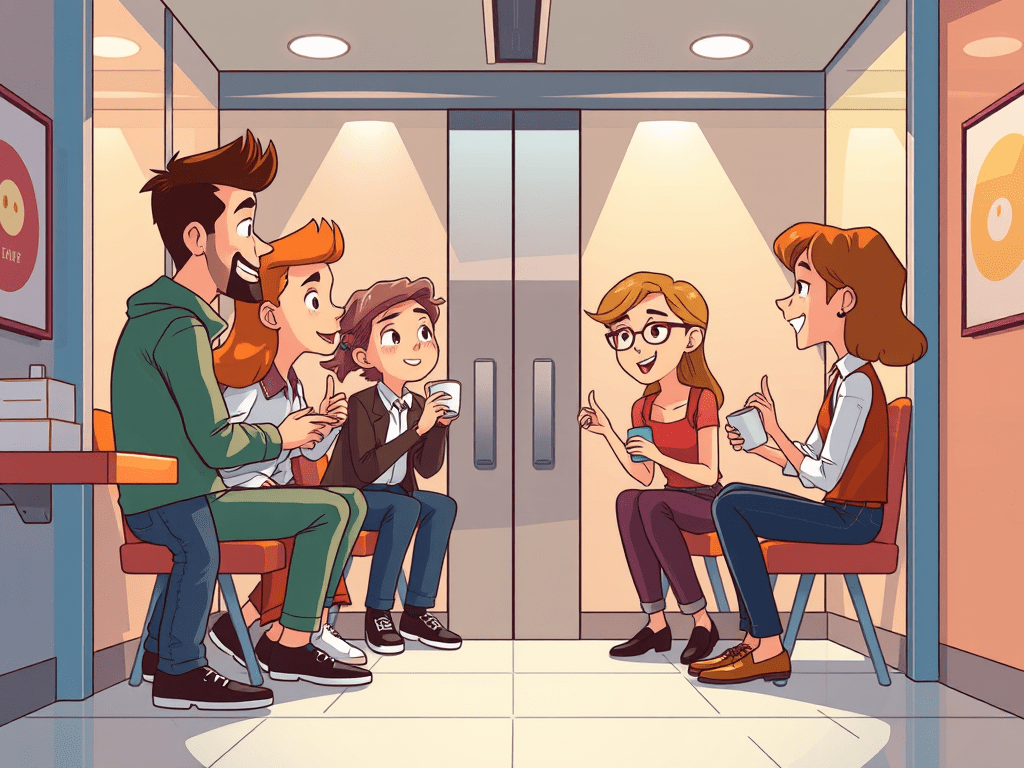
Uncovering the mechanisms that make people instantly like and remember you begins with understanding the profound role emotions play in human connection. Emotional triggers—those subtle cues that stir feelings of warmth, trust, or curiosity—are the bedrock of first impressions and long‑term memory. In today’s fast‑paced world, mastering these unexpected emotional triggers allows you to forge genuine bonds, stand out in crowded rooms, and leave an indelible mark on everyone you meet.
The Science Behind Emotional Triggers And Instant Likeability
Diving into the science behind emotional triggers reveals why certain words, gestures, or stories spark affinity almost instantly. By exploring the core concepts of emotional triggers and the biological underpinnings of memory, you’ll gain a solid foundation for applying these insights and elevating your likeability and memorability in any setting.
Defining Emotional Triggers: Core Concepts
Emotional triggers are stimuli—verbal, nonverbal, or situational—that evoke an immediate emotional response. These responses can range from warmth and empathy to surprise and curiosity. Recognizing and leveraging these triggers is key to forming authentic connections.
- Intrinsic vs. Extrinsic Triggers: Intrinsic triggers arise from personal values or beliefs (e.g., vulnerability), while extrinsic triggers depend on external cues (e.g., praise).
- Positive vs. Neutral Triggers: Positive triggers elicit warmth or joy, while neutral triggers pique curiosity without a strong emotional charge.
- Unexpectedness: The element of surprise heightens emotional impact, making the trigger more memorable.
- Relevance: Triggers tied to a person’s interests or goals stick in the mind and foster instant likeability.
How Emotions Drive Memory And First Impressions
First impressions form within milliseconds and are heavily influenced by emotional signals. When you activate the right emotional trigger, you don’t just make someone like you—you embed yourself in their memory.
Neuroscience Of Emotion And Memory Retention
The limbic system—particularly the amygdala and hippocampus—governs how we encode and store emotional experiences. When an emotional trigger stimulates the amygdala, it flags the event as significant, enhancing the hippocampus’s ability to consolidate that memory into long‑term storage. In practical terms, a strategic compliment or a heartfelt micro‑story can light up these neural pathways, ensuring you’re remembered.
Psychological Principles Of Rapid Rapport
Psychology research highlights several principles that accelerate likeability and rapport:
- Reciprocity: Offering genuine warmth or information encourages others to mirror your openness.
- Similarity: Highlighting shared experiences or values triggers a sense of kinship.
- Consistency: Predictable, authentic behavior builds trust over successive interactions.
- Novelty: Unique emotional cues—like an unexpected act of kindness—stand out against routine, making you more memorable.
By combining these principles with targeted emotional triggers, you create a powerful synergy that cements both likeability and memorability.
5 Unexpected Emotional Triggers That Spark Instant Affinity
While most people rely on basic politeness or small talk, tapping into unconventional emotional triggers creates a magnetic pull that makes you instantly likeable and memorable. These five under‑the‑radar cues leverage surprise, authenticity, and subtle psychology to forge rapid connections—no gimmicks required.
Trigger #1: Authentic Vulnerability
Showing genuine vulnerability disarms defenses and invites empathy. When you share a small, relatable struggle or doubt, you signal trustworthiness and humanity.
- Micro‑Admits: Briefly acknowledge a minor oversight (e.g., “I almost missed our meeting this morning—I’m notorious for my morning coffee runs”).
- Emotion Labels: Name how you feel (e.g., “I have to admit, I’m a bit nervous about this presentation”).
- Balanced Depth: Pair vulnerability with competence to avoid undermining confidence (e.g., “I’ve spent years refining this skill, but I’m always learning”).
Trigger #2: Strategic Compliments
A well‑crafted compliment goes beyond surface flattery—it highlights a person’s unique value or effort. Strategic compliments validate identity and activate reward circuits in the brain.
- Specific Praise: Focus on a precise detail (e.g., “Your data visualization made the insights so clear—I haven’t seen a chart like that”).
- Effort Recognition: Acknowledge hard work (e.g., “You handled those tough questions with incredible composure”).
- Unexpected Angles: Compliment traits people often overlook (e.g., “I admire how you listen fully before responding”).
Trigger #3: Subtle Warmth Signals
Warmth signals are concise, nonverbal cues that convey friendliness and approachability. They tap into primal social instincts, making you feel safe and liked.
- Micro‑Smiles: A quick, genuine smile at the right moment lowers barriers.
- Open Posture: Slightly uncrossed arms and a relaxed stance invite engagement.
- Calibrated Touch: Light, culturally appropriate gestures (e.g., a brief handshake or pat on the back) reinforce connection.
Trigger #4: Mirror And Matching Techniques
Subtly mirroring another person’s tone, pace, or body language creates rapport by signaling similarity. Our brains are wired to prefer those who resemble us.
- Vocal Matching: Match speech tempo and volume to establish harmony.
- Language Alignment: Use similar adjectives and metaphors (e.g., if they say “I’m over the moon,” you might say “That’s fantastic!” rather than “That’s great”).
- Posture Synchrony: Mirror gestures at a slight delay to avoid mimicry detection.
Tiny, relatable anecdotes forge instant emotional resonance. These “micro‑stories” pack narrative power into 15–30 seconds, making interactions memorable.
- Personal Snapshot: Share a brief moment that reveals values (e.g., “Last weekend, I rescued a stranded kitten—it reminded me how small acts mean so much”).
- Thematic Tie‑Ins: Link your story to the current conversation (e.g., “Speaking of perseverance, I once…”).
- Emotional Arc: Include a clear beginning, tension, and resolution to captivate attention.
By intentionally integrating these five unexpected emotional triggers—authentic vulnerability, strategic compliments, subtle warmth signals, mirror and matching, and shared micro‑stories—you’ll stand out in any social or professional setting. Each trigger engages different psychological pathways, ensuring you’re both instantly liked and indelibly remembered.
Step‑By‑Step Guide To Activating Emotional Triggers In Conversations
Activating emotional triggers in conversation requires a deliberate, structured approach that moves beyond rote small talk. By preparing your mindset, assembling a targeted toolkit of triggers, and practicing real‑world scripts, you can reliably spark affinity and cement lasting impressions. This step‑by‑step guide equips you with actionable techniques to transform ordinary dialogue into emotionally resonant exchanges.
Preparing Your Mindset For Genuine Connection
Before you deploy any emotional trigger, cultivate an attitude of authentic curiosity and empathy. Your internal state shapes the sincerity of every word and gesture, so invest in self‑awareness and mental readiness.
- Adopt a Growth Mindset: Believe in your capacity to improve rapport skills. View each interaction as an opportunity to learn rather than a test of innate likability.
- Practice Mindful Presence: Eliminate distractions—silence your phone, clear your mind—and focus fully on the other person’s verbal and nonverbal cues.
- Empathy Mapping: Mentally map the other person’s perspective by identifying their goals, fears, and values. This primes you to choose the most relevant emotional trigger.
- Set a Warm Intention: Decide beforehand to uplift, encourage, or genuinely understand the other party, rather than seeking to impress or persuade.
Crafting Your Emotional Trigger Toolkit
A well‑curated toolkit of emotional triggers lets you adapt to any conversation. Anchor your toolkit in the five unexpected triggers—vulnerability, compliments, warmth signals, mirroring, and micro‑stories—and refine them for different contexts.
Selecting The Right Trigger For Your Audience
Not every trigger works for every person or situation. Align your choice with the listener’s communication style, cultural background, and emotional state.
- Assess Personality: Extroverts may respond best to lively micro‑stories, while introverts often appreciate strategic compliments or subtle warmth signals.
- Consider Context: In high‑stakes meetings, brief authenticity or effort‑focused praise conveys sincerity without oversharing. In casual settings, a micro‑story can spark immediate rapport.
- Match Emotional Tone: Gauge whether the moment calls for uplift (joy, excitement) or solace (empathy, reassurance), then deploy a compliment or vulnerability trigger accordingly.
Timing And Delivery Best Practices
Even powerful triggers fall flat if delivered clumsily. Master timing and delivery to maximize impact and avoid appearing forced.
- Pause Before Key Phrases: A brief silence before a compliment or story primes attention. It creates anticipation and heightens emotional receptivity.
- Use Conversational Bridges: Preface your trigger with a linking phrase (e.g., “Can I share something?” or “I couldn’t help but notice…”) to prepare the listener.
- Maintain Authentic Tone: Speak in your natural voice. Overly dramatic pauses or exaggerated pitch undermines credibility.
- Observe Feedback Loops: Watch for micro‑expressions (nods, smiles) and vocal cues (laughter, tone shifts) to confirm the trigger landed. Adjust on the fly if you sense discomfort.
Real‑World Conversation Scripts
Practice makes perfect. The following scripts illustrate how to weave emotional triggers into everyday dialogue, whether you’re meeting someone new or deepening an existing relationship.
- Situation: Networking event.Script: “I have to admit, I was a bit nervous about attending tonight—but I’m really impressed by how welcoming everyone has been.” (Authentic Vulnerability + Warmth Signal)
- Situation: Team meeting.Script: “Your analysis on the quarterly numbers was spot‑on—I especially appreciated how you highlighted those hidden trends.” (Strategic Compliment + Specific Praise)
- Situation: Casual one‑on‑one.Script: “Last weekend, I tried that new bakery down the street—I ended up chatting with the owner about how they perfected their croissants. It reminded me how small conversations can lead to big ideas.” (Shared Micro‑Story + Thematic Tie‑In)
- Situation: Client presentation.Script: “As you said earlier, innovation thrives on collaboration. I couldn’t agree more—that’s why I took the liberty of mapping out a joint workshop schedule.” (Mirror And Matching + Language Alignment)
By following this structured approach—aligning your mindset, selecting and timing your emotional triggers, and rehearsing practical scripts—you’ll consistently create conversations that foster instant affinity and lasting connection.
Mastering Nonverbal Cues To Reinforce Emotional Impact
While words provide the framework for communication, nonverbal cues deliver the emotional undercurrent that cements instant likeability and memorability. From deliberate body language to fine‑tuned vocal variations and strategic eye contact, mastering nonverbal signals amplifies the power of your emotional triggers—ensuring every interaction resonates on a deeper level.
The Role Of Body Language In Memory Retention
Your posture, gestures, and spatial orientation speak volumes—often more than your words. Research suggests that up to 55% of communication effectiveness derives from body language, making it a critical lever for reinforcing emotional triggers and embedding yourself in someone’s memory.
- Open Versus Closed Posture:
- Open Posture: Uncrossed arms, relaxed shoulders, and a slight forward lean signal approachability and engagement.
- Closed Posture: Crossed arms or legs and rigid shoulders can create distance, reducing receptivity to your emotional triggers.
- Purposeful Gestures:
- Illustrative Gestures: Use your hands to visually underscore key points (e.g., framing a “big idea” with a wide sweep).
- Emblematic Gestures: Culturally recognized gestures (e.g., a nod for agreement) reinforce understanding and rapport.
- Proxemics (Use of Space):
- Intimate Zone (0–18 inches): Reserved for close relationships; use sparingly in professional settings.
- Personal Zone (18–48 inches): Optimal for building trust and likeability during one‑on‑one or small‑group interactions.
- Social Zone (4–12 feet): Suitable for presentations; combine open posture and expansive gestures to engage larger audiences.
By aligning your body language with the emotional trigger you intend—whether warmth signals or shared micro‑stories—you create a congruent message that accelerates memory retention and likeability.
Harnessing Voice Tone And Pace
Your vocal delivery—tone, pitch, and rhythm—serves as an emotional amplifier for every trigger you deploy. Listeners subconsciously map vocal nuances to sincerity, confidence, and emotional authenticity.
- Modulate Your Tone:
- Warmth in Tone: A slightly lower, softer pitch conveys empathy and approachability when sharing vulnerability.
- Energy in Tone: A brighter, more animated pitch ignites excitement when recounting a micro‑story or issuing a strategic compliment.
- Control Your Pace:
- Slow Down: Use deliberate pacing before key emotional phrases to heighten anticipation and ensure clarity.
- Speed Up: Moderate acceleration can convey enthusiasm but avoid rushing, which may signal nervousness.
- Leverage Strategic Pauses:
- Pre‑Trigger Pause: A 0.5–1 second silence before delivering an emotional trigger primes attention.
- Post‑Trigger Pause: Allow space for the listener to process and internalize your message, reinforcing memorability.
- Monitor Vocal Variety:
- Vary pitch, pace, and volume throughout the conversation to maintain engagement and prevent monotony.
Eye Contact Strategies That Build Trust
Eye contact is a foundational nonverbal cue that signals confidence, sincerity, and focus—core elements in activating emotional triggers. When used thoughtfully, eye contact deepens connection and ensures you’re both instantly liked and remembered.
- The 50/70 Rule: Maintain eye contact 50% of the time when speaking and 70% when listening. This balance signals engagement without veering into intimidation.
- The Triangle Technique:
- Alternate your gaze between the speaker’s left eye, right eye, and mouth in a slow, triangular pattern to convey genuine interest.
- Soft Gaze Versus Stare:
- Soft Gaze: A relaxed, steady look that fosters comfort and trust.
- Hard Stare: Avoid overly intense eye contact, which can trigger discomfort or defensiveness.
- Mirroring Eye Contact:
- Match the other person’s eye contact rhythm and duration to subtly activate mirror‑matching techniques.
Micro‑Expressions To Watch And Use
Micro‑expressions—fleeting facial movements lasting 1/25 to 1/15 of a second—reveal genuine emotions beneath the surface. By tuning into these cues, you can respond with precise emotional triggers, and by managing your own micro‑expressions, you reinforce authenticity.
- Happiness (Smile Lines Around Eyes): A genuine Duchenne smile engages the orbicularis oculi muscle, signaling true warmth.
- Surprise (Raised Eyebrows): Brief eyebrow lifts punctuate unexpected compliments or micro‑stories for added impact.
- Empathy (Head Tilt + Slight Frown): A subtle head tilt paired with a gentle frown or pursed lips communicates understanding when responding to vulnerability.
By integrating purposeful body language, dynamic vocal strategies, and refined eye contact—augmented with awareness of micro‑expressions—you transform your nonverbal communication into a powerful conduit for emotional triggers. This mastery ensures every interaction not only sparks instant affinity but also etches you indelibly into people’s memories.
Measuring And Enhancing Your Likeability And Memorability
Understanding which emotional triggers resonate most effectively requires systematic measurement and continuous refinement. By employing self‑assessment tools, gathering structured feedback, and iterating your approach, you can optimize your ability to spark instant affinity and ensure you’re consistently remembered.
Simple Self‑Assessment Techniques
Regularly evaluating your own performance helps you identify which emotional triggers land strongest and where adjustments are needed. These quick, reflective practices can be incorporated into your daily routine without significant time investment.
- Post‑Interaction Journaling:
- Immediately after a conversation or meeting, jot down which triggers you deployed (e.g., vulnerability, strategic compliment).
- Note the listener’s reactions—verbal affirmations, smiles, nods, or body language cues.
- Rate each trigger on a 1–5 scale for impact on likeability and memorability.
- Emotional Trigger Log:
- Create a simple spreadsheet with columns for Date, Trigger Used, Context, Audience Type, and Outcome.
- Over time, visualize patterns: which triggers perform best in networking versus one‑on‑one conversations?
- Reflective Questions:
- “Which part of the interaction felt most genuine?”
- “Did I notice any hesitation before or after my trigger?”
- “What would I tweak next time to deepen the emotional connection?”
- Success Milestones:
- Define clear metrics for success, such as follow‑up invitations, referrals, or repeat engagements.
- Track the frequency of these milestones to gauge long‑term memorability.
Collecting And Analyzing Feedback
Objective feedback from others provides invaluable insight into how your emotional triggers are received. Structured feedback mechanisms ensure you gather actionable data rather than vague impressions.
- Post‑Meeting Surveys:
- Use brief, anonymous online surveys (e.g., Google Forms) asking participants to rate your approachability and memorability on a 1–10 scale.
- Include open‑ended questions like “What stood out most about our interaction?” to capture qualitative insights.
- Peer Review Sessions:
- Partner with a colleague or mentor to role‑play scenarios and give real‑time feedback on your use of emotional triggers.
- Record sessions (with permission) to analyze nonverbal cues and vocal delivery post‑session.
- Client Or Contact Interviews:
- Schedule brief follow‑up calls with key contacts, asking targeted questions about what made the conversation memorable.
- Probe on specifics: “Did my analogy about X resonate?” or “How did you perceive my tone when sharing that story?”
- Data triangulation:
- Combine quantitative survey scores with qualitative interview notes to identify high‑impact triggers and areas for improvement.
Adjusting Emotional Triggers For Maximum Impact
With self‑assessment and feedback in hand, refine your emotional triggers to suit different audiences and contexts. Iterative adjustments turn good rapport builders into exceptional connectors.
Case Study: Rapid Rapport Success Story
Background: Marketing consultant Jane Liu struggled to stand out in crowded industry events. After tracking interactions over four weeks using an Emotional Trigger Log, she discovered that shared micro‑stories led to the highest referral rates.
- Initial Metrics:
- Average follow‑up meeting requests per event: 2
- Surveyed approachability score: 7.2/10
- Memorability feedback: “I liked her but can’t recall specifics.”
- Intervention:
- Jane crafted three 20‑second micro‑stories tailored to her niche audience, each illustrating a transformational client success.
- She paired each story with a strategic compliment to reinforce relevance and credibility.
- Outcome (After 4 Weeks):
- Average follow‑up meeting requests per event: 5 (↑150%).
- Surveyed approachability score: 8.9/10 (↑23.6%).
- Memorability feedback: “Her story about the startup pivot still sticks with me.”
- Key Takeaways:
- Micro‑stories combined with strategic compliments create a dual emotional trigger, amplifying both likeability and memorability.
- Consistent logging and survey methods enable precise measurement of subtle emotional adjustments.
By systematically self‑assessing, gathering structured feedback, and refining your emotional triggers based on concrete data, you’ll elevate your interpersonal impact. These measurement and enhancement practices ensure every conversation becomes an opportunity to leave a lasting, positive impression.
Advanced Applications: Using Emotional Triggers To Lead And Inspire
Once you’ve mastered the foundational emotional triggers for instant likeability and memorability, you can elevate your influence by applying these techniques at scale—in personal branding, team leadership, and digital content. These advanced applications harness the power of emotional triggers to inspire action, foster loyalty, and create a magnetic presence across every platform you touch.
Building A Magnetic Personal Brand
Your personal brand is the sum of the emotional triggers you activate consistently. By embedding authenticity, strategic vulnerability, and micro‑stories into your professional image, you create a magnetic persona that attracts opportunities and cultivates deep connections.
- Authentic Brand Narrative
- Craft a concise personal mission statement that highlights your core values and unique journey.
- Incorporate one memorable micro‑story per professional bio or “About Me” page to humanize your expertise.
- Visual Warmth Signals
- Use headshots with genuine smiles and open posture in all profiles—LinkedIn, personal website, and speaking‑engagement materials.
- Select brand colors and imagery that evoke warmth and approachability, reinforcing nonverbal emotional cues.
- Consistency And Novelty Balance
- Maintain consistent messaging around your three core emotional triggers—vulnerability, compliments, and micro‑stories—across every channel.
- Inject periodic surprises (e.g., unexpected video updates or candid behind‑the‑scenes posts) to activate the novelty trigger and reignite audience interest.
- Feedback‑Driven Refinement
- Monitor engagement metrics (comments, shares, direct messages) to identify which emotional triggers resonate strongest.
- Iterate your brand narrative quarterly based on audience feedback and emerging personal insights.
Inspiring Teams Through Emotional Engagement
Leaders who leverage emotional triggers foster trust, commitment, and motivation within their teams. By integrating strategic compliments, shared micro‑stories, and mirror‑matching into leadership practices, you create an emotionally intelligent culture that drives performance.
- Strategic Recognition Rituals
- Begin every meeting by highlighting one team member’s recent achievement with a specific, effort‑focused compliment.
- Use micro‑stories to illustrate team values in action (e.g., recount a moment when collaboration prevented a crisis).
- Empathy‑Infused Feedback
- Pair constructive feedback with an authentic vulnerability trigger (e.g., “I’ve faced similar challenges…”). This reduces defensiveness and models growth mindset.
- Employ calibrated voice tone—softening pitch when acknowledging difficulties, raising energy when celebrating wins—to reinforce emotional alignment.
- Mirror And Matching For Cohesion
- During one‑on‑one check‑ins, subtly mirror an individual’s communication style to foster rapport before discussing objectives.
- In larger group settings, match the team’s collective energy—if they’re contemplative, slow your pace; if they’re high‑energy, ramp up your enthusiasm.
- Shared Vision Through Storytelling
- Use micro‑stories about organizational milestones to reinforce vision and purpose.
- Encourage team members to share their own micro‑stories during retrospectives, activating vulnerability and belonging triggers.
Scaling Emotional Triggers In Digital Content
Digital platforms offer unparalleled reach, but conveying authentic emotional triggers online requires intentional strategy. Whether through blogs, social media, or video, you can adapt the five core triggers to build a loyal, engaged audience.
- Vulnerability In Writing
- Open blog posts with a brief, relatable challenge you faced, then guide readers through your solution—activating vulnerability and micro‑story triggers.
- In email newsletters, include a 20‑word personal insight before the main content to create immediate affinity.
- Visual And Vocal Warmth In Video
- Begin videos with a genuine smile and eye‑level camera angle to simulate face‑to‑face warmth signals.
- Use strategic pauses and varied vocal tone when delivering key takeaways to mirror in‑person engagement techniques.
- Interactive Compliment Campaigns
- On social media, run “Shout‑Out Saturdays” where you recognize community members with specific praise and tag them to boost reciprocity.
- Encourage user‑generated micro‑stories by asking followers to comment with their own brief success anecdotes, reinforcing community bonding.
- Data‑Driven Content Iteration
- Track engagement metrics—click‑through rates, time on page, video retention—to pinpoint which emotional triggers drive the strongest response.
- Use A/B testing on subject lines or thumbnails that leverage different trigger cues (e.g., vulnerability vs. strategic compliment) to refine your approach.
Leveraging Storytelling For Lasting Impressions
Storytelling is the ultimate amplifier for emotional triggers. By structuring narratives with clear emotional arcs, you guide audiences through empathy, tension, and resolution—securing both likeability and memorability.
- Emotional Arc Framework
- Hook: Open with a surprise element or vulnerability statement.
- Conflict: Introduce a relatable challenge that engages curiosity.
- Resolution: Demonstrate transformation, tying back to the listener’s values or goals.
- Multisensory Details
- Incorporate vivid imagery—sounds, textures, and visuals—to deepen emotional immersion.
- Call‑Back Technique
- Refer to an earlier micro‑story or compliment within the narrative to reinforce memory through repetition.
By applying emotional triggers strategically in personal branding, leadership contexts, and digital channels—and by mastering storytelling frameworks—you harness the full potential of unexpected emotional triggers to lead, inspire, and leave an enduring mark.
Discover more from Alchem Learning
Subscribe to get the latest posts sent to your email.