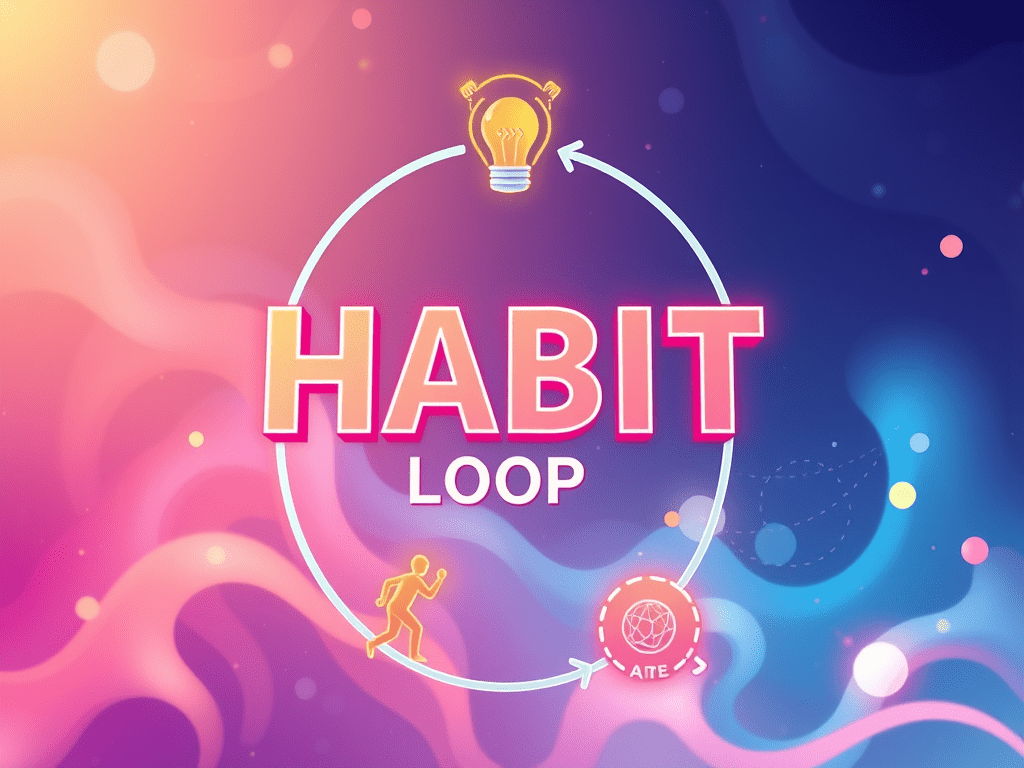
Understanding how habits form at the neurological level is the cornerstone of any science-backed formula for habit formation. By delving into the intricate interplay between motivation, reward, and automatic action, we can design strategies that transform fleeting intentions into lasting routines. In this guide, we’ll start by exploring the neuroscience behind habit formation, equipping you with the foundational knowledge to leverage motivation and build automatic behaviors in just 21 days.
The Neuroscience of Habit Formation: Key Principles
Before diving into practical tactics, it’s crucial to grasp how your brain creates and maintains habits. This section unpacks the neural architecture of habit formation, from dopamine-driven reward circuits to the habit loop of cue, routine, and reward. Armed with these insights, you’ll appreciate why certain strategies in the 21-day program are so effective.
How the Brain Forms Neural Pathways
Habits emerge when repeated behaviors carve stable neural pathways—a process known as synaptic plasticity. Each time you perform an action, you strengthen the connections between neurons involved in that behavior.
- Dopamine Release: When you anticipate or receive a reward, dopamine surges through your brain’s reward centers, reinforcing the behavior that led to the pleasurable outcome. This motivates you to repeat the action, laying the groundwork for habit formation.
- Synaptic Plasticity: Regular practice strengthens synapses—the junctions between neurons—making the associated behavior more automatic over time.
The Role of Dopamine in Motivation and Reward
Dopamine isn’t just about pleasure; it’s a powerful motivator. Anticipation of a reward can trigger a dopamine spike, which fuels goal-directed behavior. By structuring your 21-day plan to deliver small, consistent rewards, you keep dopamine levels engaged, bolstering motivation from day one.
Synaptic Plasticity and Habit Retention
Neuroscientific research shows that the more a neural circuit is activated, the stronger and more efficient it becomes. This principle underpins our “21 Days to Automatic Action” framework: daily repetition cements new habits into lasting routines.
Decoding the Habit Loop: Cue, Routine, Reward
At the heart of all habits lies a three-step loop: cue, routine, and reward. Understanding this cycle is essential for designing impactful habit-forming strategies.
Identifying Your Personal Triggers (Cues)
Every habit begins with a cue—an internal or external signal that prompts you to act. Common cues include:
- Time-Based Cues: Specific times of day (e.g., morning meditation at 7 AM).
- Location Cues: Physical environments (e.g., doing push-ups next to your bed).
- Emotional Cues: Moods or feelings (e.g., stress triggers a tea break).
By mapping your existing routines, you can pinpoint and optimize these triggers, ensuring seamless integration of new habits.
Designing Effective Rewards for Lasting Change
The reward phase closes the habit loop, solidifying neural connections. Effective rewards should be:
- Immediate: Quick reinforcement strengthens the association between routine and satisfaction.
- Meaningful: Align rewards with your values—if health is your goal, a nutrient-rich smoothie can be more motivating than mindless screen time.
- Proportional: Scale rewards appropriately; small daily wins deserve small treats, while major milestones earn bigger celebrations.
By mastering these key principles of neuroscience, you lay the groundwork for a powerful, science-backed formula for habit formation. Next, you’ll learn how to harness this knowledge in a structured 21-day plan that guides motivation to automatic action.
Preparing for Change: Mastering Motivation and Mindset
Before laying out your 21‑day habit blueprint, you must cultivate the right mindset and ignite enduring motivation. Mastering these internal drivers transforms abstract goals into actionable commitments. In this section, we’ll explore proven strategies to set SMART goals, foster intrinsic motivation, and harness a growth mindset—each a critical pillar in the science-backed formula for habit formation.
Setting SMART Goals for Sustainable Habits
Vague intentions falter; SMART goals create clarity and accountability. By defining Specific, Measurable, Achievable, Relevant, and Time‑bound objectives, you establish a roadmap that guides your motivation toward automatic action within 21 days.
- Specific: Pinpoint the exact behavior you want to adopt. Instead of “exercise more,” commit to “walk 3,000 steps every morning.”
- Measurable: Quantify progress to track adherence. Use a habit tracker or journaling app to record daily wins.
- Achievable: Start small to avoid overwhelm. A 5‑minute meditation practice is more sustainable than an hour‑long session.
- Relevant: Align each goal with your broader values—health, productivity, or personal growth—to boost intrinsic motivation.
- Time‑Bound: Anchor habits to the 21‑day framework. For example, “Complete meditation practice every day for 21 days.”
By structuring your objectives as SMART goals, you transform nebulous aspirations into concrete milestones, fueling both motivation and accountability.
Building Intrinsic Motivation Through Purpose
External rewards can spark initial interest, but long-term habit formation depends on intrinsic motivation—the inner desire to perform an activity for its own sake. Cultivating purpose-driven habits ensures you stay committed when novelty fades.
Aligning Habits with Personal Values
Identify the “why” behind each habit. When a behavior resonates with your core values, it taps into intrinsic motivation:
- Clarify Your Values: List your top three values—health, creativity, service—and link each new habit to one of them.
- Craft a Purpose Statement: For example, “I practice daily journaling to deepen self‑awareness and support my mental wellbeing.”
- Visualize the Outcome: Spend 1–2 minutes each morning imagining how sustained action will reinforce your values and enrich your life.
Using Habit Tracking for Accountability
Habit tracking bridges intention and action by making progress visible:
- Digital Trackers: Use apps like HabitShare or Loop to log daily completion and display streaks.
- Analog Methods: A simple paper calendar or bullet journal works—draw an “X” for each successful day.
- Progress Feedback: Reviewing weekly or bi‑weekly summaries boosts motivation by highlighting your growing consistency.
Accountability through tracking not only reinforces your SMART goals but also sustains intrinsic motivation by celebrating incremental victories.
Cultivating a Growth Mindset and Self‑Efficacy
A fixed mindset undermines progress, whereas a growth mindset—believing abilities can improve through effort—propels you forward. Self‑efficacy, the confidence in your capacity to succeed, further magnifies this effect. Together, they form the psychological bedrock of habit formation.
- Embrace Challenges: View obstacles as opportunities to learn. When you miss a day, analyze the barrier and adjust your strategy.
- Celebrate Small Wins: Recognize each completed action as evidence of your growing competence.
- Use Positive Self‑Talk: Replace “I can’t” with “I’m learning how.” This reinforces belief in your ability to change.
- Model Success: Study peers or mentors who have achieved similar habits. Their progress boosts your confidence that you, too, can succeed.
By nurturing a growth mindset and bolstering self‑efficacy, you transform setbacks into springboards—ensuring your motivation remains high and habits become automatic long before your 21‑day journey concludes.
Creating Your 21‑Day Habit Blueprint: A Step‑By‑Step Guide
Transforming motivation into automatic action requires a clear, actionable roadmap. This 21‑day habit blueprint breaks big goals into micro‑steps, embeds routines into your environment, and leverages proven behavior‑change techniques. Follow each stage precisely to build lasting habits, guided by the science‑backed formula for habit formation.
Breaking Goals into Micro‑Actions
Large goals often feel overwhelming, sapping motivation before you even begin. By deconstructing ambitions into tiny, manageable actions, you create consistent “wins” that drive the dopamine‑fuelled reward cycle and build momentum.
- Define the Desired Outcome: Articulate precisely what “success” looks like in 21 days. For example, “Read 21 pages of a personal‑development book daily.”
- List All Sub‑Tasks: Identify every step needed to achieve the outcome. To read 21 pages, sub‑tasks might include:
- Select a high‑value book.
- Choose a reading location.
- Allocate 15 minutes per session.
- Prioritize and Sequence: Order tasks by dependency and ease. Begin with the simplest action—picking up the book—and progress to longer reading sessions.
- Set Daily Micro‑Goals: Commit to one sub‑task each day for the first week, then layer additional steps weekly until the full routine is automatic.
Habit Stacking Techniques for Seamless Integration
Habit stacking links a new behavior to an established routine, leveraging existing neural pathways to accelerate habit formation. By tacking your 21‑day action onto a current habit, you use the “cue” from the existing behavior to trigger the new one.
- Identify a Stable Anchor Habit: Choose a routine you perform daily without fail—brushing teeth, morning coffee, or commuting.
- Create a Simple “After X, Do Y” Statement: For example, “After I pour my morning coffee, I will read one page of my book.”
- Gradually Increase Complexity: Once the initial stack is reliable (7–10 days), add another mini‑action: “After reading one page, I will journal one insight.”
- Maintain Consistency: Use the same timestamp and location each day to reinforce environmental cues and streamline automaticity.
Time‑Blocking Strategies for Consistent Practice
Time‑blocking dedicates fixed calendar slots to your new habits, reducing decision fatigue and ensuring consistency. When you treat habit practice as a non‑negotiable appointment, you honor the brain’s need for routine.
- Allocate Short Daily Windows: Begin with 5–10 minute blocks to lower activation energy and build confidence.
- Anchor Blocks to Existing Obligations: Schedule practice at transitional times (e.g., immediately after lunch or before evening leisure) to leverage natural mental resets.
- Use Digital Calendars and Alerts: Create calendar events titled with the exact micro‑action, enabling clear prompts and minimizing friction.
- Review and Adjust Weekly: At the end of each week, assess whether blocks feel realistic. If not, tweak timing or duration to maintain 90%+ adherence.
Designing Environmental Cues for Success
Your surroundings wield immense power over behavior. By intentionally shaping physical and digital environments, you simplify habit execution and reduce reliance on willpower—key to achieving automatic action by day 21.
Optimizing Physical Spaces
Cluttered, uninviting areas hinder habit practice. Conversely, a purpose‑designed environment simplifies triggers and elevates motivation.
- Declutter High‑Traffic Zones: Clear surfaces where you’ll perform the habit—e.g., remove devices from your meditation spot.
- Use Visual Reminders: Place cues in plain sight, such as leaving your workout clothes by the bed or your book on the coffee table.
- Create Dedicated “Habit Stations”: Designate specific areas for each habit (e.g., a reading nook with proper lighting and a comfortable chair).
- Incorporate Sensory Triggers: Leverage scent (aromatherapy diffuser), sound (ambient playlist), or tactile elements (yoga mat texture) to prime the behavior.
Leveraging Digital Reminders and Notifications
Digital tools offer timely prompts and data‑driven insights to reinforce your 21‑day blueprint. When used judiciously, they reduce cognitive load and maintain engagement.
- Set App Reminders: Use habit‑tracking apps (e.g., HabitBull, Streaks) to schedule push notifications aligned with your time blocks.
- Automate Check‑Ins: Employ calendar integrations or chat‑bots that ask for a “yes/no” completion response, triggering positive feedback loops.
- Visualize Progress: Choose apps with streak counters and progress charts to tap into the brain’s love for quantifiable wins.
- Limit Digital Friction: Turn off non‑essential notifications during practice windows to maintain focus on the habit at hand.
By breaking your goals into micro‑actions, stacking habits onto existing routines, and optimizing both physical and digital environments, you forge a clear path from motivation to automatic action. This structured 21‑day blueprint harnesses neuroscience and behavior‑change science to ensure your new habits stick long after day 21.
Proven Strategies to Implement Habits Effectively
Once you’ve designed your 21‑day blueprint, it’s time to deploy the most effective tactics for habit formation. This section unveils science-backed strategies—leveraging keystone habits, behavior-change frameworks, and cutting‑edge technology—that turbocharge your journey from motivation to automatic action. By applying these proven methods, you’ll amplify consistency, streamline execution, and cement new routines into your daily life.
Leveraging Keystone Habits for Maximum Impact
Keystone habits are small routines that trigger positive ripple effects across multiple areas of your life. Identified by Charles Duhigg in “The Power of Habit,” these high-leverage behaviors catalyze broader transformations with minimal extra effort.
- Defining Keystone Habits: A keystone habit creates a chain reaction. For example, a consistent morning exercise routine often improves sleep quality, boosts mood, and enhances productivity throughout the day.
- Selecting Your Keystone:
- Physical Activity: Five minutes of bodyweight exercises can increase energy levels and mental clarity.
- Mindful Journaling: Writing a gratitude list each evening reduces stress and sharpens focus on goals.
- Protein‑Rich Breakfast: A balanced meal jumpstarts metabolism and curbs unhealthy cravings.
- Scaling Impact: Once a keystone habit sticks—usually within 7–10 days—you’ll notice adjacent behaviors adopting themselves. Capitalize on this momentum by layering complementary micro‑habits, such as pairing morning push‑ups with a glass of water to reinforce hydration.
- Monitoring Progress: Track both the keystone habit and its downstream benefits. For instance, record hours slept, mood ratings, or productivity scores to quantify the habit’s cascading effects.
Applying Behavior‑Change Frameworks
Behavior‑change science offers structured frameworks that reduce friction and increase adherence. Two particularly powerful techniques—implementation intentions and temptation bundling—align your conscious planning with subconscious drivers, propelling habit formation toward automaticity by day 21.
Implementation Intentions and If‑Then Planning
Implementation intentions crystallize when and where you’ll perform a habit, creating mental links that transform abstract goals into executable plans. This “if‑then” format primes your brain to act automatically in response to specific cues.
- Structure the Statement: Frame your habit as “If [cue], then I will [action].” Example: “If it’s 7 AM, then I will meditate for five minutes.”
- Define Clear Cues: Use precise triggers—time, location, or preceding actions—to eliminate ambiguity and decision fatigue.
- Visualize the Sequence: Spend 30–60 seconds mentally rehearsing the cue and subsequent routine. Neuroscience proves that mental simulation strengthens neural pathways similarly to actual practice.
- Test and Adjust: After three days, evaluate success rates. If adherence falls below 80%, refine the cue or simplify the action to ensure consistent execution.
Temptation Bundling to Boost Adherence
Temptation bundling pairs a habit you want to form with an activity you already enjoy. This tactic harnesses motivation from the pleasurable activity to fuel the less inherently rewarding one, creating a powerful incentive structure.
- Identify Your Lures: List enjoyable activities—listening to podcasts, sipping a favorite tea, or checking social media.
- Link to Your Habit: Only allow the pleasurable activity while performing the target habit. Example: “I’ll listen to my favorite podcast only when I’m on the treadmill.”
- Maintain Exclusivity: Avoid diluting the association by consuming the reward at other times. This exclusive coupling strengthens the habit-reward loop.
- Track Enjoyment vs. Execution: Use a two‑column log—one for habit completion and one for reward enjoyment. High enjoyment scores reinforce continuation, while low scores signal the need to select a higher‑value lure.
Utilizing Technology: Top Habit‑Tracking Apps and Tools
Digital tools offer real‑time feedback, accountability, and data visualization—critical components of any science‑backed formula for habit formation. The right app can transform your 21‑day challenge from guesswork into a data-driven quest.
- Streak-Centric Trackers: Apps like “StreakKeeper” emphasize consecutive-day records, tapping into loss aversion to keep you on track.
- Gamified Platforms: Tools such as “HabitQuest” turn habit practice into a game, awarding points and badges for milestones achieved.
- Analytics-Driven Dashboards: Apps with built-in charts and trendlines help you identify patterns—peak performance times, frequent slip-ups, and optimal habit windows.
- Automated Reminders: Smart notifications—timed to your personalized schedule—eliminate the need to remember your commitments, reducing reliance on willpower.
- Community and Accountability: Many apps feature social feeds or group challenges, providing external motivation through peer support and healthy competition.
By leveraging keystone habits, applying rigorous behavior‑change frameworks, and harnessing technology, you create a robust ecosystem for habit formation. These proven strategies ensure that your science‑backed formula doesn’t just kick off with enthusiasm but sustains momentum, driving you from motivation to automatic action within 21 days—and beyond.
Tracking Progress and Overcoming Habit Challenges
Monitoring your journey and navigating obstacles are critical steps in solidifying new behaviors. By establishing clear metrics, preempting common pitfalls, and leveraging social support, you’ll maintain momentum throughout the 21-day habit formation process. This section provides actionable methods to track progress, rebound from setbacks, and draw on accountability networks—ensuring your new routines transition from effortful practice to automatic action.
Establishing Metrics and Milestones
Quantifiable markers transform abstract goals into measurable outcomes, activating both intrinsic and extrinsic motivation. Clear metrics and milestones provide feedback loops that reinforce positive behavior change.
- Daily Completion Rate: Track each day’s successful habit execution as a binary “yes/no” metric. Aim for at least 90% completion over 21 days.
- Incremental Benchmarks: Break your 21-day journey into three phases—Week 1 (Days 1–7), Week 2 (Days 8–14), and Week 3 (Days 15–21). Set mini-goals for each phase, such as increasing duration or complexity.
- Quality Indicators: Beyond mere completion, measure qualitative aspects: mood improvement, focus levels, or perceived energy. Use a simple 1–5 rating scale in your habit tracker.
- Visual Progress Charts: Plot streaks and quality scores on a weekly chart. Visual trends reinforce neural pathways through the brain’s reward system.
- Reflective Journaling: At the end of each week, write a brief reflection on wins, challenges, and insights. This narrative metric deepens self-awareness and bolsters self-efficacy.
Identifying and Addressing Common Pitfalls
Even the best-laid plans encounter barriers. Anticipating and addressing common habit formation challenges prevents minor setbacks from derailing your 21-day objective.
Managing Relapses and Setbacks
Setbacks are inevitable, but how you respond determines their impact on habit formation. Research shows that prompt, constructive responses to lapses preserve motivation and prevent regression.
- Reframe Slip-Ups: View relapses as data points, not failures. Analyze the context—time of day, emotional state, or environmental trigger—to adjust your strategy.
- Implement “Restart Rituals”: Design a brief recovery routine (e.g., three deep breaths, a motivational affirmation, or reviewing your purpose statement) to reset your mindset immediately after a slip.
- Adjust the Cue–Routine–Reward Loop: If a relapse recurs, modify the cue (change timing or location), simplify the routine, or enhance the reward to better align with your motivation drivers.
- Use Accountability Check-Ins: Share your setback with an accountability partner within 24 hours. Social disclosure reduces shame and reinforces commitment to the process.
Adjusting Tactics for Plateaus
Plateaus—periods where progress stalls—signal that your neural pathways need fresh stimuli. By tweaking your approach, you can reignite progress and deepen habit entrenchment.
- Increase Complexity Gradually: Once a micro-action feels effortless, layer on a complementary task (e.g., add a 2-minute meditation to your existing 5-minute practice).
- Introduce Novelty: Vary aspects of the routine—change your environment, use different tools, or alter the sequence—to engage attention and prompt neuroplastic adaptation.
- Revisit Your Why: Dedicate time to re-examine your purpose statement and values alignment, reinforcing intrinsic motivation when external rewards lose their luster.
- Set Micro-Challenges: Create short-term contests against yourself, such as “Complete every habit before breakfast this week,” to stimulate dopamine-driven motivation.
Harnessing Social Support and Accountability Partners
Social influences can make or break habit formation. Engaging supportive peers or mentors introduces external motivators and shared accountability, amplifying your commitment to automatic action.
- Choose the Right Partner: Select someone invested in your success—an empathetic friend, family member, or colleague—who will provide encouragement without judgment.
- Schedule Regular Check-Ins: Plan brief, recurring meetings (in person or virtually) to report progress, discuss challenges, and recalibrate goals.
- Join Habit-Building Communities: Online forums or group challenges foster camaraderie, enable knowledge sharing, and harness collective momentum.
- Public Declarations: Announce your 21-day goal on social media or to your peer group. The psychological cost of public backtracking increases adherence.
- Peer Comparison Metrics: When appropriate, compare streaks or quality scores with accountability partners to ignite friendly competition and shared celebration of milestones.
By meticulously tracking metrics, preempting and managing setbacks, and leveraging social accountability, you’ll navigate the inevitable challenges of habit formation. These strategies ensure that your science-backed formula for habit formation remains resilient, guiding you seamlessly from motivation to automatic action in just 21 days.
Automating Your Habits: From Routine to Ritual
After 21 days of deliberate practice, the goal shifts from conscious effort to seamless, automatic action. This phase focuses on refining neural pathways, embedding habits into your identity, and scaling your routines into lifelong rituals. By understanding how to make habits effortless and self‑reinforcing, you’ll cement the science‑backed formula for habit formation and transform short‑term gains into enduring change.
Transitioning from Effortful Practice to Automaticity
Automaticity occurs when a habit requires minimal cognitive load—your brain executes the routine almost unconsciously in response to a cue. Achieving this transition demands consistency, gradual reduction of friction, and strategic reinforcement.
- Consistency Is Non‑Negotiable: Continue daily repetition, even if you miss a target. Research shows that 95% consistency over 21 days significantly boosts the probability of automatic behavior.
- Reduce Activation Energy: Make the habit easier to start by minimizing steps between the cue and the action. For example, if you snack mindfully, pre‑portion healthy options in grab‑and‑go containers.
- Leverage Environmental Design: Position cues so they trigger the habit without conscious thought. A yoga mat visible in your living room or a reading lamp next to your favorite chair calls the behavior into action.
- Apply the Two‑Minute Rule: If a habit feels onerous, distill it to a two‑minute version. Over time, you’ll expand the routine naturally as the brain’s reward system adapts to incremental challenges.
- Monitor Automatic Responses: Note how immediately the habit kicks in after the cue. If you find yourself hesitating, revisit your cue clarity or friction points to streamline execution.
Reinforcing Neural Pathways for Long‑Term Retention
Neuroscience reveals that the durability of a habit depends on the strength and frequency of synaptic connections. To reinforce these pathways and prevent decay, employ strategic reinforcement and periodic refreshers.
- Occasional “Booster Sessions”: After 21 days, schedule weekly or bi‑weekly “power practices” to reactivate and strengthen neural circuits. For example, if your habit is daily journaling, designate 15‑minute reflection sessions on Sundays.
- Variability in Practice: Introduce slight variations—alter the order, setting, or related stimuli—to engage different neural networks and prevent habituation from dulling the reward response.
- Positive Reinforcement Schedule: Transition from daily rewards to a variable ratio schedule (e.g., rewards on random successful days). This intermittent reinforcement, akin to a slot‑machine model, sustains engagement and solidifies long‑term retention.
- Mindful Reflection: Periodically review the “why” behind your habit. Journaling or meditating on your purpose statement reactivates motivational circuits, boosting dopamine response when the routine is executed.
- Track Neuroplastic Gains: Use a habit‑tracking app or analog log to record not only completion but also ease-of-execution scores (1–5). A rising trend signals stronger neural pathways and deeper habit entrenchment.
Scaling Beyond 21 Days for Lifelong Success
Reaching automaticity is a milestone, not the finish line. To foster resilient, lifelong habits, you must evolve your routines with increasing complexity and sustained motivation. This scaling phase transforms isolated practices into comprehensive lifestyle rituals.
Expanding Habit Stacks for Compound Improvement
Once a single habit operates on autopilot, combine it with complementary behaviors—a process known as expanded habit stacking. This compounds benefits and deepens the integration of new routines into your identity.
- Identify Synergistic Habits: Choose micro‑behaviors that naturally align—for instance, pairing post‑run stretching with 2 minutes of gratitude journaling.
- Create Multi‑Step Chains: Develop sequences of 3–5 actions triggered by a single cue. Example: “After I finish breakfast (cue), I will wash my dishes, do 2 minutes of deep breathing, and plan my top three tasks for the day.”
- Ensure Logical Flow: Arrange steps so each action logically leads to the next, minimizing cognitive friction and leveraging momentum from the preceding behavior.
- Review and Refine: Every fortnight, assess which links in the chain feel smooth and which introduce friction. Remove or adjust steps that hinder the overall flow.
Celebrating Milestones to Sustain Momentum
Ritualization thrives on recognition. Celebrating achievements—both big and small—releases dopamine and reinforces your science‑backed formula for habit formation, keeping motivation high even after automaticity is achieved.
- Define Meaningful Milestones: Mark key intervals (30, 60, 90 days) rather than daily or weekly. This long‑term perspective emphasizes sustained growth over short‑term repetition.
- Ritual Celebrations: Choose rituals that align with your values—lighting a candle after a month of consistent meditation, or sharing a healthy meal with friends after reaching a fitness goal.
- Document Achievements: Maintain a habit journal or digital portfolio where you note reflections, metrics, and celebratory notes. Reviewing this archive reignites motivation during challenging periods.
- Share Success Stories: Publicly or privately share your progress with an accountability group. Social recognition amplifies reward signals and deepens commitment to ongoing habit practice.
By transitioning from effortful practice to effortless ritual, reinforcing neural pathways, and scaling your routines with compound habit stacks and meaningful celebrations, you’ll embody the science‑backed formula for habit formation. These strategies ensure that motivation and automatic action coexist seamlessly, empowering you to sustain positive behaviors long after the initial 21-day challenge.
Discover more from Alchem Learning
Subscribe to get the latest posts sent to your email.