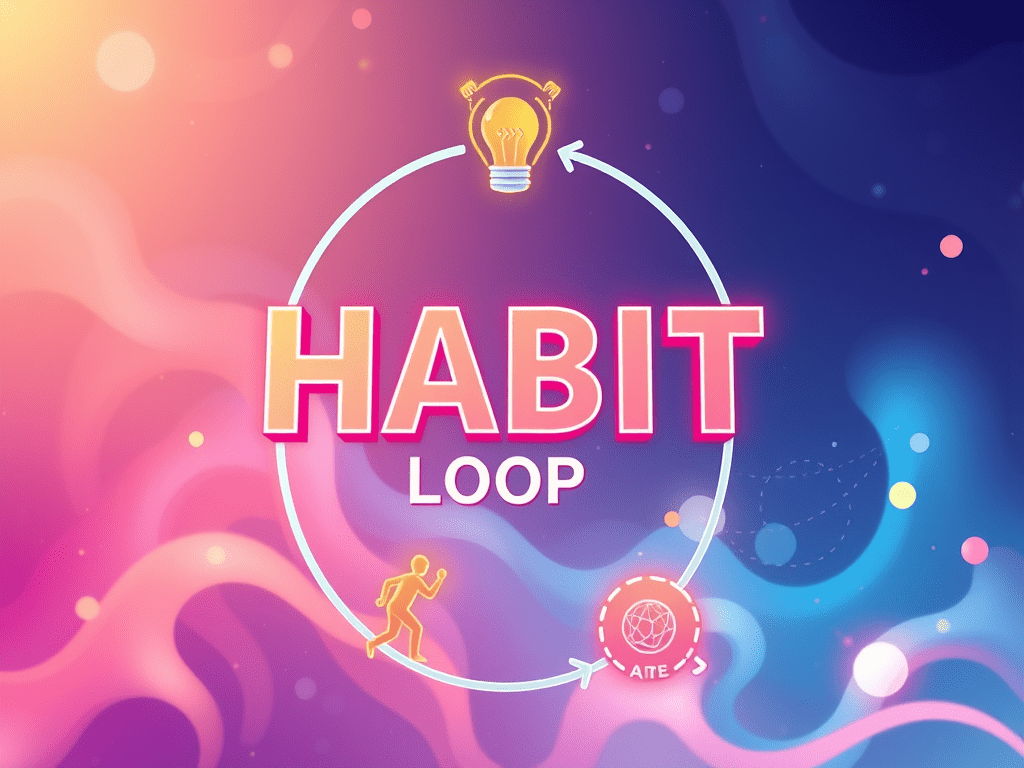
Every lasting transformation begins with a single behavior repeated consistently over time. Whether you’re striving to exercise daily, eat healthier, or boost your productivity, understanding the surprising psychology behind habit formation is the cornerstone of lasting change. In this comprehensive guide, we’ll unpack the mechanisms that drive our routines, reveal how to hack your daily life for better outcomes, and equip you with science‑backed strategies to turn fleeting efforts into enduring success.
The Surprising Psychology Behind Habit Formation: Key Principles Revealed
Before diving into hacks and advanced techniques, it’s essential to grasp the foundational principles of habit formation. By exploring definitions, the underlying neuroscience, and the tension between motivation and automaticity, you’ll gain clarity on why routines stick—and how to engineer them for permanent change.
Understanding Habit Definitions and Types
Habits are automatic behaviors triggered by contextual cues, distinguished from deliberate actions by their low cognitive load. Broadly, habits fall into three categories:
- Keystone Habits: High‑leverage routines (e.g., morning exercise) that catalyze positive spillover effects across multiple domains.
- Maintenance Habits: Daily actions that sustain an existing routine (e.g., drinking water after waking).
- Transformational Habits: Intensive behaviors designed to produce significant change (e.g., learning a new language for 30 minutes daily).
Recognizing which type you’re targeting helps clarify objectives, align expectations, and measure success as you hack your daily routine for lasting change.
The Neuroscience of Habit Formation
At the core of every habit lies a neural blueprint shaped by repetition and reinforcement. Understanding this blueprint empowers you to leverage your brain’s natural tendencies for behavior change.
The Role of Dopamine and Neural Pathways
Dopamine, often dubbed the “reward molecule,” encodes the anticipation of pleasure rather than pleasure itself. When you experience a reward—whether a cup of coffee or a completed task—dopamine spikes reinforce the neural pathway associated with the preceding cue and routine. Over time:
- Synaptic Strengthening: Repeated cue‑routine‑reward cycles strengthen connections in the basal ganglia, the brain region responsible for automatic behaviors.
- Predictive Coding: Your brain learns to anticipate rewards, making it easier to initiate routines at the sight of contextual triggers.
- Habit Chunking: Discrete actions merge into a fluid sequence, reducing the need for conscious thought.
By consciously integrating small rewards or celebrating micro‑wins, you can accelerate dopamine‑driven reinforcement, solidifying new routines as ingrained habits.
Motivation Versus Automaticity: Primary Drivers of Routine
While motivation kick‑starts habit formation, it’s inherently finite. Automaticity—the point at which a behavior executes with minimal thought—ensures durability. Understanding this shift is critical for hacking your daily routine:
- Motivational Phase: Characterized by high energy and deliberate intention, often fueled by goal setting, visualization, and social encouragement.
- Transitional Phase: As repetition increases, cognitive effort decreases. Tracking progress and tweaking environmental cues are crucial here.
- Automatic Phase: The behavior triggers reflexively in response to cues, freeing up mental bandwidth for new challenges.
To bridge motivation and automaticity effectively:
- Set clear, measurable goals to channel initial enthusiasm.
- Design your environment—remove friction for desired routines and add friction for detrimental ones.
- Implement consistent tracking (e.g., journals or apps) to monitor progress and identify patterns.
- Leverage “habit stacking” by pairing new actions with established routines to piggyback on existing neural pathways.
By recognizing when to rely on motivation and when to shift focus to automation, you’ll pave the way for sustainable, long‑term behavior change. These key principles lay the groundwork for every habit‑hacking strategy that follows, ensuring that your daily routines evolve from deliberate efforts into effortless, self‑reinforcing systems.
Cracking the Habit Loop: How Cues, Routines, and Rewards Shape Behavior
To hack your daily routine for lasting change, it’s crucial to dissect the habit loop—the universal framework that governs how behaviors become automatic. By understanding the three core components of every habit—cues, routines, and rewards—you can strategically intervene at each stage to embed powerful new habits or dismantle unhelpful ones. This section unpacks each element, equipping you with actionable insights to reshape your environment, streamline your actions, and reinforce positive behaviors.
Identifying Triggers: Environmental and Emotional Cues
Every habit begins with a trigger—an external or internal signal that tells your brain to initiate a routine. Recognizing these cues is the first step toward mastering habit formation. Cues generally fall into four categories:
- Time-Based Cues: Specific times of day (e.g., 6:30 AM alarm signaling meditation).
- Location Cues: Physical spaces (e.g., walking into the kitchen prompting a snack).
- Emotional States: Feelings like stress or boredom that drive comfort-seeking behaviors.
- Social Triggers: Presence of others (e.g., colleagues taking smoke breaks).
To hack your daily routine, conduct a “cue audit” over one week. Record each instance you engage in a target behavior—both desired and undesired—and note the time, place, emotional state, and people present. This simple exercise illuminates patterns you can exploit or disrupt, ensuring your new habit loop aligns with predictable triggers rather than fleeting motivation.
Executing Routines: Automating Daily Actions
The routine is the heart of the habit loop—your actual behavior when the cue appears. Successful routines share three key characteristics:
- Simplicity: Lower cognitive load increases consistency. Break complex goals into baby steps (e.g., five push‑ups instead of a full workout).
- Specificity: Clearly defined actions reduce ambiguity (“write 200 words at 8 PM every evening”).
- Repetition: Daily practice cements neural pathways, transitioning behaviors from effortful to effortless.
To automate your routines:
- Use time blocking to schedule habits into your calendar, treating them as immovable appointments.
- Pair new routines with existing ones (habit stacking), such as doing deep‑breathing exercises immediately after showering.
- Reduce friction by pre‑loading tools and resources (lay out workout clothes the night before).
By engineering your environment and rituals around these principles, your daily actions transform from optional tasks into non‑negotiable rituals that propel you toward lasting change.
Reward Mechanics: Reinforcement and Positive Feedback
Rewards reinforce the habit loop by providing your brain with positive reinforcement. Without a satisfying payoff, routines rarely endure. Effective rewards tap into two distinct timelines:
Short‑Term Versus Long‑Term Rewards
- Short-Term Rewards: Immediate pleasures (e.g., a piece of dark chocolate post‑study session) trigger dopamine release, strengthening the cue‑routine association.
- Long-Term Rewards: Delayed benefits (e.g., improved health metrics after consistent exercise) cultivate deeper motivation but require patience and faith in the process.
To optimize your reward system:
- Combine both reward types: celebrate small wins immediately and track progress toward bigger goals visually (e.g., habit tracker charts).
- Use non‑food rewards to avoid substituting one unhealthy habit for another—consider social praise, digital badges, or micro‑breaks.
- Ensure rewards are proportionate to effort: too small, and they fail to reinforce; too large, and they may overshadow the behavior itself.
By calibrating rewards strategically, you create a self‑reinforcing cycle that not only makes routines stick but also ignites the inspiration needed to sustain momentum over months and years.
5 Common Pitfalls in Habit Formation and How to Overcome Them
Even the most well‑intentioned routines can stall when hidden obstacles undermine your efforts. By identifying the five most common pitfalls in habit formation—lack of clarity, willpower depletion, decision fatigue, inconsistent tracking, and accountability gaps—you can apply targeted strategies to hack your daily routine for lasting change. This section reveals practical solutions to navigate these challenges and sustain momentum toward your goals.
Barrier 1: Lack of Clarity and Goal Setting
Vague intentions create fuzzy commitments. Without a crystal‑clear target, motivation wanes and routines fail to gain traction. When you can’t articulate precisely what you want to achieve or why it matters, it’s nearly impossible to hack your daily routine in a sustainable way.
Clarifying Your Purpose to Drive Consistency
To overcome ambiguity and sharpen your focus:
- Define SMART Goals: Ensure objectives are Specific, Measurable, Achievable, Relevant, and Time‑bound (e.g., “Write 500 words daily for four weeks”).
- Articulate Your “Why”: Connect the habit to a deeper value or outcome (e.g., improved health, career advancement) to fuel intrinsic motivation.
- Break Goals into Milestones: Segment large targets into weekly or daily micro‑goals to reduce overwhelm and celebrate progress.
- Visualize Success: Spend 1–2 minutes each morning picturing the completed routine and its benefits, priming your brain for action.
Barrier 2: Willpower Depletion and Decision Fatigue
Relying solely on willpower—a finite mental resource—sets you up for failure, especially when faced with numerous daily choices. Decision fatigue slowly erodes resolve, making it harder to initiate or sustain desired routines as the day progresses.
Strategies to Conserve Mental Energy
Minimize cognitive load and preserve willpower by:
- Automating Decisions: Standardize choices—eat the same breakfast, lay out workout clothes the night before—to reduce daily decision points.
- Batching Tasks: Group similar actions (e.g., answering emails) into single time blocks, freeing bandwidth for habit execution.
- Implementing If‑Then Plans: Pre‑decide responses to common obstacles (e.g., “If I feel too tired to jog, then I’ll walk for 10 minutes”) to avoid on‑the‑spot deliberation.
- Prioritizing Keystone Habits: Tackle high‑impact routines (like morning meditation) early in the day when willpower is highest.
Barrier 3: Inconsistent Tracking and Accountability
Without reliable feedback, progress becomes invisible, and small setbacks can derail momentum. Inconsistent monitoring undermines habit formation by preventing course correction and eroding the sense of achievement needed to sustain change.
Tools and Techniques for Reliable Habit Monitoring
Establish robust tracking and accountability systems:
- Use Habit‑Tracking Apps: Digital tools like Habitica, Streaks, or Loop provide visual streaks and reminders to reinforce consistency.
- Keep a Bullet Journal: Record daily behaviors in a simple notebook, creating a tactile connection to your progress.
- Enlist an Accountability Partner: Share goals and weekly check‑ins with a friend, coach, or online community to leverage social reinforcement.
- Set Up Public Commitments: Announce your habit challenge on social media or workplace channels to increase perceived obligations.
Barrier 4: Overly Ambitious Routines
Setting the bar too high triggers resistance and early burnout. When a new habit feels like an insurmountable leap, it’s easy to postpone or abandon it altogether.
Adopting Micro‑Habits for Gradual Progress
Scale back initial efforts to build unshakeable momentum:
- Start Small: Commit to just one minute of the new routine (e.g., one push‑up, one minute of reading).
- Use the 2‑Minute Rule: If a habit takes less than two minutes, do it immediately to prioritize consistency over volume.
- Incremental Increases: Gradually raise difficulty or duration by 5–10% each week to maintain challenge without overwhelming your system.
Barrier 5: Neglecting Environmental Design
Habit formation isn’t just a mental game; your physical and digital environments exert powerful influences on behavior. Ignoring these external factors leaves you vulnerable to distractions and competing impulses.
Engineering Your Environment for Success
Transform your surroundings to support desired routines:
- Reduce Friction: Place key items (e.g., water bottles, reading materials) within arm’s reach of where you want to perform the habit.
- Eliminate Temptations: Remove or hide cues for unwanted behaviors (e.g., uninstall distracting apps, store snacks out of sight).
- Create Dedicated Zones: Assign specific areas for different activities (e.g., a meditation corner, a work‑only desk) to trigger context‑based cues.
- Leverage Ambient Reminders: Use sticky notes, alarms, or calendar pop‑ups to prompt action at key moments.
7 Proven Hacks to Optimize Your Daily Routine for Lasting Change
Transforming good intentions into lasting habits requires more than willpower—it demands strategic interventions that simplify action, reduce friction, and amplify motivation. The following seven hacks draw on cutting‑edge behavioral science and real‑world best practices to help you seamlessly integrate powerful routines into your everyday life.
Hack 1: Habit Stacking for Effortless Integration
Habit stacking leverages an existing routine as the cue for a new behavior, piggybacking on established neural pathways to accelerate adoption.
- Identify a Keystone Habit: Choose a reliable daily action (e.g., brewing morning coffee).
- Stack the New Habit: Immediately follow the keystone habit with the new behavior (e.g., after pouring coffee, spend two minutes journaling).
- Maintain Consistency: Repeat this sequence each day until the stack becomes second nature.
Hack 2: Environment Design to Reduce Friction
Your surroundings profoundly influence your behavior by either facilitating or impeding action. Thoughtful environment design removes barriers to success.
- Optimize Visibility: Place cues in high‑visibility zones (water bottle on desk to prompt hydration).
- Minimize Steps: Pre‑load workout gear and leave it by your door to eliminate prep time.
- Declutter Distractions: Hide or disable temptations (put phone in another room during focus time).
Hack 3: Implementation Intentions and If‑Then Planning
If‑then planning pre‑commits your responses to specific situations, bypassing indecision and bolstering follow‑through.
- Format the Plan: “If [cue], then I will [behavior].”
- Anticipate Obstacles: Craft multiple if‑then scenarios for common barriers (e.g., “If I’m too tired to cook, then I’ll prepare a healthy smoothie”).
- Review Regularly: Revisit plans weekly to reinforce commitment and adjust as needed.
Hack 4: Micro‑Habits and the Power of Tiny Wins
Breaking ambitions into micro‑habits ensures early success, builds confidence, and ignites dopamine‑driven reinforcement.
- Start Ultra‑Small: Commit to just one minute of writing, one push‑up, or one page of reading.
- Leverage the 2‑Minute Rule: Any habit that takes less than two minutes can be done immediately without overthinking.
- Scale Gradually: Once the micro‑habit is consistent, increase the challenge by small increments (e.g., add one more minute or rep each week).
Hack 5: Leveraging Social Support and Accountability
Social dynamics can supercharge habit formation by tapping into our innate drive for belonging and approval.
- Find a Buddy: Partner with a friend or colleague who shares your goal for mutual encouragement.
- Join a Community: Participate in online forums, groups, or classes that reinforce the habit through shared progress.
- Public Commitment: Announce your intentions on social media or with peers to heighten accountability.
Hack 6: Habit Tracking Tools and Apps
Consistent tracking converts abstract goals into tangible data, revealing patterns and motivating continued effort.
- Choose Your Tool: Select an app or journal that fits your style (e.g., Streaks, Habitica, bullet journal).
- Record Daily: Log each completion immediately to preserve accuracy and build visual streaks.
- Analyze Trends: Review weekly charts to identify drop‑off points and adjust strategies proactively.
Hack 7: Reward System Optimization
Deliberate reward design ensures your brain associates the new habit with positive outcomes, reinforcing the loop over time.
- Immediate Rewards: Pair the habit with a small treat or enjoyable activity (e.g., five‑minute break listening to favorite music).
- Delayed Rewards: Set milestone incentives (e.g., a weekend getaway after 30 consecutive meditation sessions).
- Non‑Material Rewards: Leverage social praise, digital badges, or self‑acknowledgment rituals to reinforce intrinsic motivation.
Advanced Behavioral Strategies: Habit Bundling, Implementation Intentions, and More
Once you’ve mastered the basics of cue‑routine‑reward loops and hack‑ready tactics, it’s time to elevate your habit formation with advanced behavioral strategies. These techniques—ranging from habit bundling to neuroscience‑backed visualization—allow you to optimize your daily routine for lasting change, leverage cutting‑edge insights, and sustain momentum even when motivation wanes.
Using Habit Bundling to Maximize Productivity
Habit bundling (also known as temptation bundling) pairs a habit you want to develop with an activity you already enjoy. By linking a high‑value reward to a new routine, you create intrinsic motivation that accelerates adoption.
- Select a “Want” and a “Should”: Identify a pleasurable activity (e.g., listening to your favorite podcast) and a beneficial habit (e.g., reviewing flashcards).
- Create a Conditional Link: Only allow yourself to engage in the “want” while performing the “should.” For example, queue up the podcast exclusively during your study session.
- Maintain Consistency: Repeat this pairing daily until the beneficial habit inherits some of the enjoyment associated with the treat activity.
Research shows that habit bundling can increase exercise adherence by up to 28% compared to exercise alone, illustrating its power to hack your daily routine for lasting change.
Applying a Growth Mindset to Behavior Change
A growth mindset—the belief that abilities and intelligence can be developed—transforms how you perceive setbacks in habit formation. Embracing challenges as opportunities rather than roadblocks fuels persistence and resilience.
- Reframe Failures: View missed days not as proof of incapacity but as data points for adjustment.
- Celebrate Effort Over Outcome: Acknowledge the work you put in (e.g., “I showed up even when I felt tired”) rather than focusing solely on results.
- Adopt Iterative Improvement: Continually refine your approach based on real‑time feedback, strengthening the psychological momentum behind your habit.
By cultivating a growth mindset, you’ll maintain motivation through plateaus and view each habit tweak as a stepping stone toward lasting behavioral change.
Neuroscientific Techniques: Visualization and Mental Rehearsal
Visualization activates neural pathways similar to those engaged during actual performance, making mental rehearsal a potent tool for habit formation. By vividly imagining completing a routine, you prime your brain for real‑world execution.
- Detail the Environment: Picture the sensory context—sounds, sights, and even smells—that accompany your routine.
- Envision the Actions: Mentally simulate each step of the habit loop, from the cue through the reward.
- Emotional Embedding: Feel the satisfaction and pride that follow completion, reinforcing dopamine release in anticipation.
Just five minutes of daily mental rehearsal can enhance performance and consistency, cementing new neural connections that underpin automaticity in your daily routine.
Automating Habits Through Technology and Reminders
Leveraging digital tools and smart reminders can scaffold your habit system, ensuring that cues fire reliably and tracking remains effortless. Automation reduces decision fatigue and keeps you aligned with your goals even on busy days.
- Use Calendar Alerts: Schedule recurring events with clear labels (e.g., “10 AM: Morning Pages”) to trigger routines.
- Set Smart Notifications: Configure your smartphone or wearable to prompt key behaviors at optimal times, adjusting for context (e.g., location‑based reminders).
- Integrate Voice Assistants: Program simple voice commands to log completions or initiate short practices (e.g., “Alexa, start my breathing exercise”).
Biofeedback and Wearables for Data‑Driven Insights
Modern wearables and biofeedback devices provide real‑time metrics—like heart rate variability and sleep quality—that illuminate the physiological impact of your habits. By tying habit performance to objective data, you create an evidence‑based feedback loop that enhances accountability and fine‑tunes your daily routine.
- Monitor Stress and Recovery: Track heart rate variability to determine when your body is primed for high‑intensity routines versus restorative practices.
- Quantify Sleep Hygiene: Use sleep trackers to correlate bedtime routines with sleep efficiency, then adjust pre‑sleep habits accordingly.
- Visualize Progress: Leverage dashboard apps that aggregate metrics over time, revealing patterns and prompting strategic tweaks.
By harnessing technology to automate cues, track physiological responses, and deliver personalized reminders, you embed the surprising psychology behind habit formation directly into your digital ecosystem—making sustained change not just a goal, but a built‑in feature of your daily life.
Tracking, Tweaking, and Triumph: Measuring Success for Sustainable Habits
Data-driven insight is the secret ingredient that transforms good intentions into lasting behavior change. By systematically tracking your habits, analyzing performance metrics, and adapting strategies based on real-world feedback, you’ll create a self‑reinforcing system that not only sustains momentum but also builds confidence. This section outlines the key metrics to monitor, methods to refine your approach, and techniques to celebrate progress without losing focus on long‑term identity shifts.
Key Metrics: Frequency, Consistency, and Performance
To hack your daily routine for lasting change, start by selecting clear, quantifiable metrics that reflect true progress rather than mere effort. Three foundational measures will illuminate whether your habit system is working:
- Frequency: The number of times the habit is performed within a set period (e.g., days per week you complete your morning run). Tracking frequency highlights overall engagement and reveals drop‑off patterns.
- Consistency: The regularity of execution—often visualized as streaks or percentage of days without a miss. High consistency indicates that your cue‑routine‑reward loop has transitioned toward automaticity.
- Performance Quality: Objective measures of how well the habit is executed (e.g., average pace during runs, word count in writing sessions). Performance metrics ensure you’re not just going through the motions but improving over time.
By capturing these metrics through habit‑tracking apps or simple spreadsheets, you create a transparent dashboard of success and identify early warning signs of plateau or decline.
Adjusting Strategies Based on Data Insights
Raw data is only valuable when it informs strategic tweaks. Use your metrics to pinpoint obstacles, refine triggers, and optimize rewards. Follow a continuous improvement loop:
- Analyze Trends Weekly: Review frequency and consistency charts to detect midweek slumps or weekend drop‑offs.
- Diagnose Barriers: Correlate missed sessions with contextual factors—late nights, travel, stress—to understand root causes.
- Implement Targeted Tweaks:
- Adjust timing: Move your cue earlier or later to align with peak energy levels.
- Modify environment: Introduce new visual prompts or reduce friction for problematic days.
- Refine rewards: Enhance immediate gratification (e.g., shorter cooldown stretches) or amplify milestone incentives.
- Reassess Impact: After two weeks, compare updated metrics to confirm whether tweaks increased frequency, consistency, or performance quality.
This iterative approach ensures that your routine remains dynamic, responsive, and aligned with your evolving lifestyle.
Maintaining Motivation During Plateaus
Plateaus are inevitable in any long‑term habit journey. When initial dopamine surges level off, routines can feel stale—threatening to derail progress. To maintain momentum through these flatlines:
- Vary the Stimulus: Introduce small changes—new routes for your run, different writing prompts, or varied workout modalities—to reignite interest and novelty.
- Micro‑Challenges: Set short‑term performance targets (e.g., increase daily steps by 10% for one week) to create mini‑peaks of achievement.
- Social Reinforcement: Share updates with a peer group or online community during plateaus to access external encouragement and fresh perspectives.
- Revisit Your “Why”: Regularly reconnect with the deeper purpose behind your habit—health, creativity, productivity—to strengthen intrinsic motivation.
By proactively preparing for and navigating plateaus, you keep the habit loop energized and prevent temporary stagnation from becoming permanent abandon.
Celebrating Milestones Without Derailing Progress
Recognition of progress fuels the reward component of your habit loop—but celebrations must be calibrated to reinforce, not disrupt, your routine.
- Define Meaningful Milestones: Choose markers that reflect genuine progress—completing a 30‑day streak, hitting a new performance personal best, or achieving a SMART goal.
- Pair Celebrations with Continuity: Align rewards with next‑step actions (e.g., after a 30‑day meditation streak, treat yourself to a premium meditation app upgrade that further supports practice).
- Keep Rewards Healthy and Habit‑Consistent: Opt for experiences (a hike, a creative workshop) or tools (a new journal) instead of habits that conflict with your objectives.
- Share Achievements: Announce milestones within your accountability circle to amplify positive feedback and reinforce social bonds.
Strategic celebrations sustain dopamine‑driven reinforcement without introducing friction or undermining the very behaviors you’re aiming to embed.
Long‑Term Mindset: From Habit Formation to Identity Change
Lasting transformation transcends isolated routines—it emerges when behaviors become integral to who you are. Transition from performing habits to embodying their underlying identity:
- Adopt Identity‑Based Affirmations: Frame habits as evidence of identity (“I am a runner” vs. “I run three times a week”).
- Reinforce With Evidence: Regularly review your tracking data as proof of your evolving self-concept.
- Scale Beyond Routines: Introduce supporting habits that align with your new identity (e.g., a “runner” also schedules proper nutrition, rest days, and foot care).
- Mentally Archive Success Stories: Document personal anecdotes of overcoming challenges, cementing an internal narrative of resilience and competence.
By shifting focus from isolated actions to an identity anchored in growth and consistency, you ensure that your daily routines endure not as chores, but as natural expressions of who you’ve become.
Discover more from Alchem Learning
Subscribe to get the latest posts sent to your email.