The journey to lasting habit transformation often stalls when we focus solely on external goals—losing weight, reading more books, or waking up earlier—without addressing the core beliefs that drive our actions. The Identity-Based Change Model offers a paradigm shift, emphasizing who we believe we are over what we want to achieve. In this pillar post, we unpack how a simple mindset shift blueprint can transform habits at their root, empowering you to cultivate behaviors that align seamlessly with your self-image and unlock sustainable growth.
Understanding Identity‑Based Change: The Core Principles
Before diving into actionable steps, it’s crucial to grasp the foundational principles behind the Identity‑Based Change Model. This section demystifies how reshaping your self‑concept leads to profound habit transformation, why identity-first strategies outlast traditional goal‑setting methods, and the key benefits you’ll reap by adopting an identity‑driven approach to behavior change.
Defining the Identity‑Based Change Model
The Identity‑Based Change Model centers on the idea that sustainable habit transformation begins with a shift in self‑identity. Instead of asking “What do I want to accomplish?” you ask “Who do I want to become?” By aligning daily actions with this desired identity, habits become expressions of self, not chores to complete.
Identity vs. Behavior: Key Distinctions
Understanding the difference between identity and behavior is the first step in the mindset shift blueprint:
- Behavior: External actions you perform (e.g., jogging, journaling, meditating).
- Identity: Internal beliefs about who you are (e.g., “I am a runner,” “I am a reflective person,” “I am calm under pressure”).
By recasting behaviors as evidence of identity, each small win reinforces your self‑image and compounds over time.
The Science Behind Identity‑First Transformation
Psychological research indicates that beliefs about ourselves act as lenses shaping perception and action. When you adopt an identity-first mindset:
- Neural pathways associated with your new self‑concept strengthen, making aligned behaviors feel more automatic.
- Motivation arises intrinsically, driven by congruence between actions and self‑image rather than external rewards.
- Self‑consistency bias prompts you to seek evidence that supports your identity, creating a positive feedback loop for habit formation.
Why Identity Trumps Goals for Lasting Habit Change
Traditional goal‑setting often leads to short‑lived success: you hit the target, celebrate, and revert to old patterns. In contrast, the Identity‑Based Change Model embeds habits into your self‑concept, making them non‑negotiable parts of “who you are.”
- Goals Are Temporary: Achieving a goal ends the process; identity is enduring.
- Identity Is Self‑Reinforcing: People act in ways that confirm their self‑image.
- Behavioral Consistency: Identity‑aligned actions become automatic, reducing reliance on willpower.
When you see yourself as “the kind of person who practices daily meditation,” missing a session feels inconsistent with your identity—prompting you to return to the habit faster than if you were merely chasing a streak count or milestone.
Top Benefits of an Identity‑Driven Approach
Embracing an identity-first strategy offers transformative advantages over conventional habit‑formation techniques. Here are the top benefits you can expect:
- Deep Intrinsic Motivation: Actions flow from who you are, not just what you want.
- Greater Resilience: Temporary setbacks don’t derail your progress because your identity remains intact.
- Exponential Habit Growth: Each behavior aligned with your identity multiplies the impact of subsequent habits.
- Lasting Change: By shifting your mindset, you reduce the likelihood of relapse into old behaviors.
- Simplified Decision‑Making: When your identity is clear, choices naturally align with your self‑concept, removing friction.
By the end of this pillar post, you’ll have a clear mindset shift blueprint to harness the power of the Identity‑Based Change Model, transforming habits from fleeting actions into permanent extensions of your authentic self.
The Psychology Behind Identity and Habit Formation
Understanding the psychological mechanisms that link self‑identity to habitual behavior is essential for mastering the Identity‑Based Change Model. In this section, we explore how core beliefs shape everyday actions, examine the neurobiological underpinnings of identity‑driven habits, and draw inspiration from a real‑life case study that demonstrates the transformative power of a simple mindset shift blueprint.
How Core Beliefs Shape Daily Behaviors
At the heart of identity‑based change lies the idea that our beliefs about who we are direct nearly every choice we make. Core beliefs function as mental frameworks—often called self‑schemas—that filter experience, interpret feedback, and guide decision‑making. When you believe “I am a healthy eater,” every meal becomes an opportunity to validate that self‑concept, whereas if you think “I’m not a morning person,” waking early feels unnatural and discouraging.
- Self‑Perception Theory: We infer our identity by observing our own behavior. Performing an action repeatedly leads us to conclude that it reflects who we are, reinforcing further commitment.
- Confirmation Bias: Once a self‑schema is established, the mind selectively notices evidence that supports that identity, creating a powerful feedback loop for habit formation.
- Cognitive Dissonance: Acting in ways that conflict with core beliefs generates discomfort. To reduce dissonance, we either change our behavior or update our identity—making identity alignment a potent lever for lasting change.
By intentionally crafting and reinforcing empowering beliefs, you harness these psychological principles to transform small actions into self‑fulfilling prophecies.
Neurobiology of Identity‑Based Habits
Neuroscience reveals that habits are etched into the brain via neural circuits that become more efficient with repetition. The Identity‑Based Change Model accelerates this process by engaging both the basal ganglia (the brain’s habit center) and the prefrontal cortex (the seat of self‑awareness and goal‑directed behavior), resulting in seamless integration of new routines into your daily life.
- Neuroplasticity: New identity‑aligned actions stimulate the growth of synaptic connections. Over time, these pathways strengthen, making the desired behavior feel automatic and effortless.
- Reward Pathways: Every time you act in accordance with your chosen identity, dopamine release in the nucleus accumbens reinforces that behavior, deepening the habit loop.
- Executive Function: The prefrontal cortex helps you plan and reflect, ensuring that each step of your mindset shift blueprint is executed with intention rather than impulse.
Leveraging these neurobiological insights, the Identity‑Based Change Model turns deliberate practice into ingrained routine, minimizing reliance on willpower and maximizing long‑term retention.
Inspirational Case Study: Real‑Life Identity Shifts
To illustrate the potency of an identity‑driven approach, consider the story of Maria, a 35‑year‑old marketing executive who transformed from a self‑described “couch potato” into a dedicated triathlete in under 12 months. Her journey highlights how a simple mindset shift blueprint can unlock extraordinary results:
- Step 1 – Identity Statement: Maria reframed her self‑image from “I’m not athletic” to “I am an endurance athlete.” This powerful declaration became the foundation for every subsequent habit.
- Step 2 – Tiny Wins: She began with a 5‑minute daily jog, celebrating each completion as proof of her athletic identity. These micro‑commitments rapidly built confidence.
- Step 3 – Trigger Design: Maria attached her runs to a morning ritual—putting on her running shoes first thing upon waking—creating a strong contextual cue tied to her new identity.
- Step 4 – Reflective Feedback: Weekly journaling allowed her to track improvements in stamina and mindset, reinforcing the belief “I am getting stronger every day.”
- Step 5 – Scaling Up: As her self‑image solidified, she gradually increased run times, added cycling and swimming sessions, and registered for a sprint triathlon, fully embodying her athlete identity.
Within a year, Maria’s consistent identity‑aligned actions propelled her to complete an Olympic‑distance triathlon. Her experience underscores how aligning core beliefs with small, strategic behaviors creates unstoppable momentum for habit transformation.
The Simple 5‑Step Mindset Shift Blueprint to Transform Habits
With a firm grasp of identity‑based change principles, you’re ready to implement a straightforward, actionable mindset shift blueprint. These five steps guide you from abstract self‑concept to concrete habit transformation, ensuring each tiny action aligns with your target identity and accelerates lasting behavior change.
Step 1: Clarify Your Desired Identity
The first step in the Identity‑Based Change Model is defining who you want to become. A clear identity statement serves as your north star, guiding every decision and habit. Without this anchor, efforts to transform habits can feel aimless and easy to abandon.
Crafting Powerful Identity Statements
- Choose Present‑Tense Language: Frame your identity as if it’s already true. For example, “I am a disciplined early riser,” not “I will become disciplined.”
- Be Specific and Authentic: Reflect your genuine values and aspirations. “I am a mindful communicator” resonates more than a vague “I am better.”
- Keep It Concise: A brief, memorable statement—no more than 7–9 words—sticks in your mind and surfaces naturally.
- Write and Review Daily: Place your identity statement somewhere visible (journal, phone wallpaper) and read it each morning to prime your mindset.
Step 2: Align Tiny Actions with Your New Identity
Once your identity is clear, break it down into micro‑behaviors that demonstrate who you are becoming. These tiny actions fuel momentum and reinforce your self‑concept with minimal friction.
Habit Stacking and Micro‑Commitments
- Habit Stack: Anchor a new micro‑habit onto an existing routine. For instance, after brushing your teeth, immediately recite your identity statement aloud or journal one sentence.
- Micro‑Commitments: Start with actions requiring two minutes or less. If your identity is “I am a reader,” commit to one page per day.
- Progressive Scaling: Gradually increase duration or intensity only after the micro‑habit feels automatic—typically 2–4 weeks.
- Consistency Over Intensity: Prioritize showing up daily; identity formation hinges on regular reinforcement, not sporadic effort.
Step 3: Leverage Identity‑Driven Triggers
Triggers are contextual cues that prompt identity‑aligned behavior. By designing intentional triggers, you automate habit execution and reduce reliance on willpower.
- Environment Design: Modify your space to reflect your new identity—keep healthy snacks visible if you identify as a health‑focused person.
- Time Cues: Schedule consistent time blocks. For “I am a daily writer,” set a calendar alert at 8 a.m. for a 10‑minute free‑write.
- Social Reminders: Share your identity statement with an accountability partner who can text check‑ins when trigger times arrive.
- Visual Prompts: Use sticky notes, phone notifications, or wearable tokens (e.g., a bracelet) to signal the desired habit.
Step 4: Reinforce Through Reflection and Feedback
Regular reflection cements identity‑based habits by highlighting progress and uncovering areas for optimization. Constructive feedback—both internal and external—sustains motivation and prevents drift.
- Weekly Journaling: Spend 5–10 minutes reviewing successes, challenges, and lessons learned. Frame setbacks as data, not failure.
- Quantitative Tracking: Use simple charts or habit‑tracker apps to log micro‑behaviors, visualizing streaks to reinforce consistency.
- Peer Feedback: Engage a coach or peer group to provide objective observations and celebrate milestones.
- Identity Check‑Ins: Monthly, revisit your identity statement. Ask: “Does this still reflect who I want to be?” Adjust if necessary to stay aligned with evolving goals.
Step 5: Iterate, Scale, and Optimize Your Blueprint
Identity transformation is an ongoing process. With foundational habits in place, you can expand your blueprint, scaling successful micro‑habits into robust routines and continually refining your approach.
- Expand Complexity: Once basic micro‑behaviors feel automatic, combine them into more advanced routines—turn a 5‑minute jog into a structured interval session.
- Introduce New Identities: Sequentially add complementary identities. After “I am a daily runner,” adopt “I am a mindful eater” and repeat the 5‑step process.
- A/B Test Strategies: Experiment with different triggers or reflection formats to identify what yields the highest engagement and satisfaction.
- Long‑Term Visioning: Quarterly, visualize your future self and update your identity statements to reflect ambitious yet achievable growth trajectories.
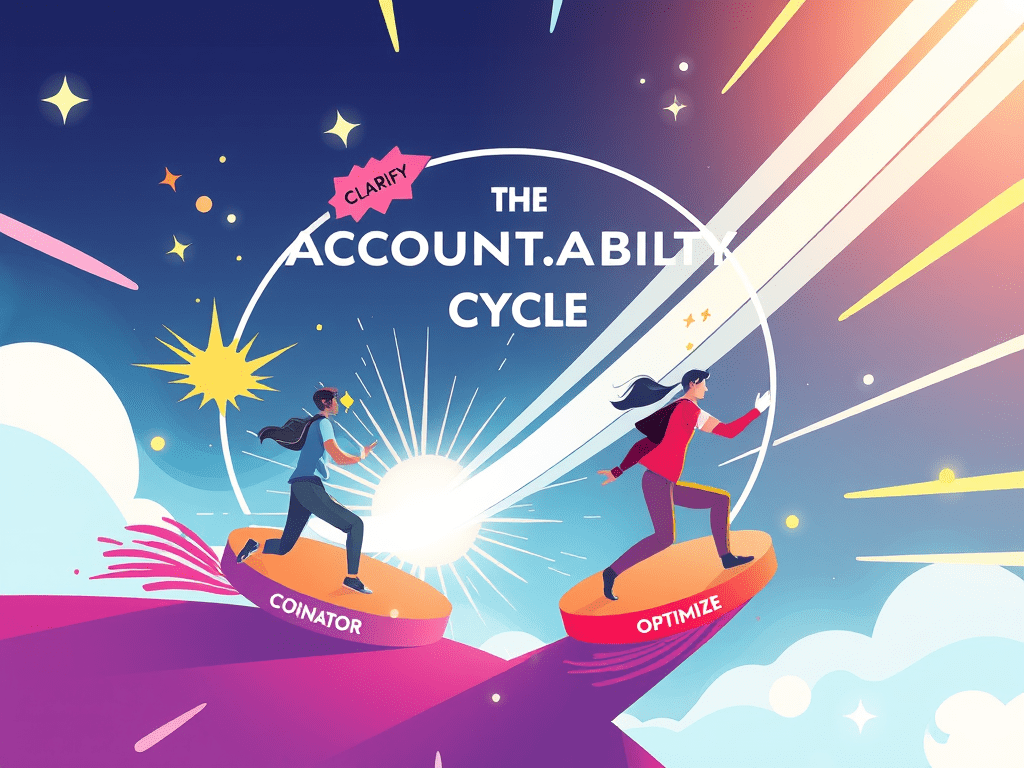
By faithfully executing and iterating this simple mindset shift blueprint, you transform abstract identity aspirations into concrete, lasting habits. Each cycle of clarify, act, trigger, reflect, and optimize deepens your commitment and accelerates progress toward your ideal self.
Overcoming Common Roadblocks in Identity‑Based Change
Even with a clear mindset shift blueprint, identity‑based change can hit predictable obstacles that stall progress and erode motivation. By proactively recognizing these roadblocks—limiting beliefs, identity misalignment, and lack of support—you can apply targeted strategies to navigate challenges and maintain momentum toward habit transformation.
Identifying and Reframing Limiting Beliefs
Limiting beliefs are deeply ingrained convictions that undermine your desired identity before you even begin. To sustain an identity‑driven approach, it’s essential to surface and reframe these self‑sabotaging narratives.
- Spot the Voice of Doubt: Notice recurring thoughts like “I’m not cut out for this” or “I always fail.” Write these down as soon as they arise to prevent them from operating unconsciously.
- Challenge Evidence: For each limiting belief, list counterexamples from your past where you succeeded or made progress. This weakens the hold of the negative narrative.
- Reframe with Empowering Alternatives: Transform “I’m not disciplined” into “I’m learning to build discipline one step at a time.” Craft reframes that are believable and aligned with your identity statement.
- Use Affirmation Rituals: Incorporate daily affirmations rooted in your reframed beliefs. Speaking or writing, “I am capable of consistent growth,” reinforces new neural pathways that support habit change.
Strategies to Conquer Identity Misalignment
Identity misalignment occurs when your daily actions conflict with the self‑image you’re trying to cultivate. Resolving this friction ensures your behaviors consistently validate your desired identity.
- Audit Your Routines: List your current habits and rate each for alignment with your target identity on a scale from 1 (misaligned) to 5 (fully aligned). Identify low‑scoring routines as prime candidates for adjustment.
- Gradual Substitution: Replace one misaligned habit at a time with a behavior that supports your identity. If “I am a mindful communicator,” swap scrolling social media before meetings with a brief breathing exercise.
- Layer Habits for Cohesion: Combine identity‑aligned micro‑habits into clusters. For “I am a health champion,” follow your morning run with a green smoothie, making one habit cue the next.
- Visual Consistency Checks: Post visual reminders—quotes, photos, or symbols—that embody your identity. These act as real‑time prompts, reducing the gap between intention and action.
Building Accountability and Support Networks
Even the most disciplined individuals benefit from external reinforcement. Cultivating accountability structures and supportive relationships strengthens your commitment to the identity‑based change journey.
- Accountability Partners: Pair up with someone pursuing their own habit goals. Regular check‑ins—daily texts or weekly video calls—create mutual pressure to honor commitments.
- Mastermind Groups: Join small cohorts of peers who share similar identity‑focused objectives. Group brainstorming and problem‑solving sessions inject fresh perspectives and collective energy.
- Professional Coaching: Enlist a certified coach or mentor skilled in identity‑driven change techniques. Their expertise accelerates your mindset shift and provides structured feedback loops.
- Public Declarations: Verbalize your identity statement and habit goals in a social forum—team meetings, social media, or family gatherings. Public commitment raises psychological stakes and enhances follow‑through.
- Celebrate Collective Wins: Recognize milestones with your support network. Shared celebrations reinforce the social proof of your identity transformation and motivate continued progress.
By anticipating and addressing these common roadblocks—limiting beliefs, identity misalignment, and insufficient support—you fortify your mindset shift blueprint against disruption. Armed with these strategies, you’ll navigate challenges confidently and sustain the identity‑based change that underpins lasting habit transformation.
Advanced Strategies for Deepening Your Identity Shift
Once foundational habits are established, advanced strategies amplify your identity‑based change, embedding new self‑concepts more deeply into daily life. These techniques leverage purposeful rituals, strategic goal integration, and specialized tracking tools to accelerate progress, solidify your mindset shift blueprint, and ensure your transformed identity stands the test of time.
Rituals and Routines to Cement New Identities
Rituals—consistent, meaningful practices—anchor identity shifts by engaging both mind and body in habitual patterns that reflect who you want to become. Unlike isolated habits, rituals create immersive experiences that reinforce self‑image at a visceral level.
- Morning Identity Ceremony: Begin each day with a brief ritual—light a candle, recite your identity statement, and visualize key behaviors. This primes neural circuits for identity‑aligned actions before external demands arise.
- Contextual Routines: Attach a sequence of micro‑habits to specific contexts. For “I am a creative thinker,” follow your morning coffee with a 3‑minute free‑write on new ideas, then review a relevant inspirational quote.
- Sensory Triggers: Incorporate tactile or olfactory cues—essential oils, textured objects, or ambient music—linked to your identity. Over time, these sensory signals automatically activate the desired mindset.
- Evening Reflection Ritual: Close each day by journaling three identity‑aligned wins, graded on impact and effort. This ritual shifts focus to growth, primes restorative sleep, and consolidates new neural pathways.
Integrating Identity Change into Personal and Professional Goals
Embedding your identity shift into broader life goals ensures consistency across roles and environments. When professional objectives and personal aspirations converge with your new self‑image, you foster synergy that propels sustained transformation.
- Goal Mapping Workshops: Create a visual map linking long‑term goals to identity statements. For example, “I am a persuasive communicator” might connect to leading team meetings, drafting compelling proposals, and mentoring junior staff.
- Role‑Based Identity Alignment: For each life role—parent, leader, entrepreneur—define a corresponding identity statement. Develop mini‑blueprints with tailored micro‑habits for each, ensuring every context reinforces your overarching self‑concept.
- Cross‑Functional Accountability: Share your identity goals with stakeholders—colleagues, family, friends—and co‑create project milestones that reflect your new identity, fostering collective reinforcement and real‑world feedback.
- Performance Reviews with Identity Lens: During quarterly reviews, evaluate achievements and setbacks not only against SMART goals but also on how effectively they validated your target identity, ensuring holistic progress assessment.
Three Proven Tools to Track and Measure Progress
Quantifying identity‑based change transforms abstract self‑concepts into tangible data, revealing patterns and catalysts that accelerate habit mastery. These tools provide rigorous feedback, maintain momentum, and guide iterative improvements to your mindset shift blueprint.
- Habit Streak Trackers: Simple apps or spreadsheets that log daily micro‑actions and visualize uninterrupted streaks. Seeing a growing chain reinforces your identity—breaking the streak feels inconsistent with who you’ve become.
- Psychometric Self‑Assessments: Periodic surveys measuring identity alignment, self‑efficacy, and intrinsic motivation. Validated instruments like the Self‑Concept Clarity Scale quantify shifts in self‑perception over time.
- Biofeedback Wearables: Devices that monitor physiological markers—heart rate variability, sleep patterns, stress levels—to correlate physical well‑being with identity‑aligned routines, optimizing both performance and resilience.
By layering these advanced strategies—rituals that engage mind and body, goal integration that harmonizes all facets of life, and precision tracking that delivers actionable insights—you deepen your identity shift and secure long‑term habit transformation. Embrace these proven techniques to evolve from practicing habits to living as the person you aspire to be.
Measuring and Sustaining Your New Identity Over Time
Transforming your habits through an identity‑based change model is only the beginning; sustaining that elevated self‑concept requires ongoing measurement and strategic reinforcement. In this section, we explore how to define key metrics that reflect your new identity, celebrate milestones in ways that maintain momentum, and continuously refine your mindset shift blueprint for enduring growth.
Key Metrics for Long‑Term Habit Success
Identifying and tracking objective indicators aligned with your desired identity turns abstract progress into concrete data. These metrics offer clear feedback loops, helping you validate your self‑concept and identify areas needing refinement.
- Behavioral Frequency: Record the number of times you perform identity‑aligned actions each week—e.g., meditation sessions, pages read, or workout days. Aim for consistency over sheer volume to reinforce “I am a daily meditator” or “I am an avid learner.”
- Duration and Intensity: Monitor session lengths or effort levels. If your identity is “I am a focused writer,” track time spent in deep‑work blocks and word counts per session to ensure quality as well as quantity.
- Self‑Efficacy Scores: Weekly self‑ratings on confidence scales (1–10) gauge how strongly you believe in your ability to uphold your new identity. Rising scores indicate solidifying self‑concept.
- Consistency Rate: Calculate the percentage of days you successfully complete your core micro‑habits. A 90%+ consistency rate signifies that the behavior has become automatic and identity‑driven.
- Outcome Indicators: Align identity with tangible results—weight stabilized for “I am a health champion,” or client satisfaction ratings for “I am an empathetic consultant.” These outcomes validate long‑term shift.
Celebrating Milestones Without Losing Momentum
Recognition is vital for motivation, but celebrations must reinforce, not derail, your emerging identity. Strategic milestone celebrations honor progress while maintaining forward momentum toward deeper habit integration.
- Micro‑Celebrations: After each week of consistent practice, reward yourself with a brief, identity‑aligned treat—an inspiring book for “I am a reader,” or a nature walk for “I am a mindful explorer.”
- Milestone Journaling: Document every 30‑day streak with a reflection entry highlighting lessons learned, affirmations of growth, and aspirations for the next cycle. This deepens self‑awareness and commitment.
- Social Recognition: Share key milestones with your support network in an identity‑focused context. For example, post “30 days of morning runs completed—feeling more energized as a devoted runner!” to reinforce your identity publicly.
- Progress Rituals: Design simple ceremonies—lighting a candle, playing a specific song, or wearing a token—whenever you hit a major landmark (90 days, 6 months). These rituals become symbolic anchors for your identity.
- Balanced Rewards: Choose rewards that align with, rather than contradict, your identity. If you identify as a “well‑rested professional,” avoid late‑night parties; opt instead for a restorative massage or a digital detox weekend.
Refining Your Identity Blueprint for Continuous Growth
An identity‑based change model thrives on iteration. Regularly revisiting and adjusting your mindset shift blueprint ensures it evolves alongside your ambitions and external circumstances, keeping your habits fresh, challenging, and deeply aligned.
- Quarterly Identity Audits: Every three months, compare your current self‑perception to your original identity statement. Note discrepancies, updated values, and emerging priorities. Revise the statement to reflect your next growth phase.
- A/B Habit Experimentation: Test alternative micro‑habits or triggers to discover more effective alignment. For instance, swap your journaling time from evening to morning and measure impact on “I am a reflective thinker.”
- Layered Growth Goals: Introduce complementary identities sequentially. Once core habits are stable, add adjacent behaviors—after cementing “I am a dedicated runner,” integrate “I am a balanced eater” to expand your transformation.
- Feedback-Driven Adjustments: Solicit qualitative input from accountability partners or mentors regarding your evolving identity. Use their observations to fine‑tune daily routines and milestone criteria.
- Long‑Range Vision Casting: Visualize yourself 1–3 years ahead with fully integrated habits. Backcast the steps required, updating your blueprint with interim identity statements and micro‑commitments to bridge present actions with future aspirations.
By rigorously measuring identity-aligned metrics, celebrating milestones in harmony with your self-concept, and continuously refining your mindset shift blueprint, you ensure that your transformed identity not only endures but accelerates over time. This sustained approach solidifies habits as lifelong extensions of who you are, powering ongoing personal and professional growth.
Discover more from Alchem Learning
Subscribe to get the latest posts sent to your email.