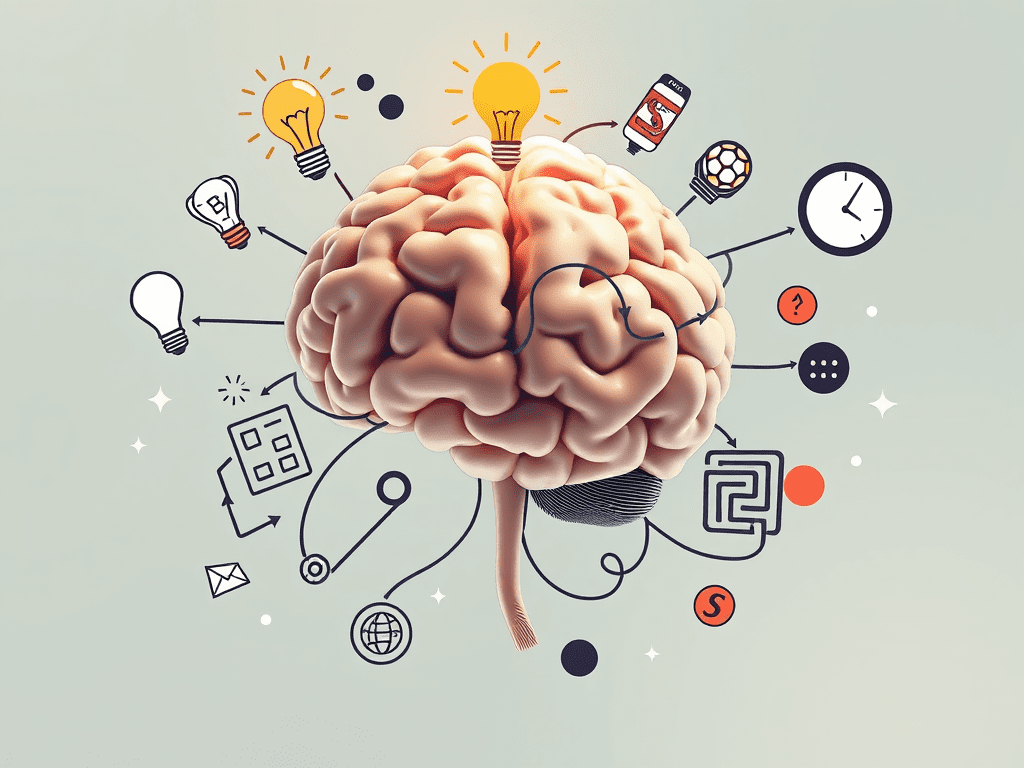
Developing unshakable mental toughness is the cornerstone of achieving resilience and laser‑sharp decision making in every facet of life. In this comprehensive guide, we’ll explore the scientific underpinnings and practical strategies that empower you to thrive under pressure, adapt to adversity, and make confident, high‑stakes decisions with clarity. Whether you’re an executive facing boardroom challenges or an athlete aiming for peak performance, mastering mental toughness will elevate your cognitive resilience and unlock your full potential.
Understanding Mental Toughness: The Ultimate Foundation for Resilience and Laser‑Sharp Decision Making
Mental toughness serves as the bedrock for personal growth, professional success, and sustained well‑being. By defining its core traits, examining the pivotal role of resilience, and delving into the neuroscience behind cognitive fortitude, you’ll gain the insights needed to build and sustain unwavering mental strength.
Defining Mental Toughness: Key Traits and Benefits
Mental toughness refers to a set of psychological qualities that enable individuals to persevere through challenges, recover quickly from setbacks, and maintain focus on long‑term goals. At its core, this cognitive resilience encompasses:
- Emotional Control: The ability to regulate responses under stress without being derailed by negative emotions.
- Confidence: A steadfast belief in one’s capabilities to tackle high‑pressure situations.
- Commitment: Persistence toward goals despite obstacles or fatigue.
- Focus: Sustained concentration on critical tasks, shielding against distractions.
Benefits of cultivating mental toughness include:
- Improved stress management and reduced burnout.
- Faster recovery from failures, boosting overall resilience.
- Enhanced decision‑making speed and accuracy under pressure.
- Greater consistency in performance across personal, professional, and athletic domains.
The Critical Role of Resilience in Personal and Professional Success
Resilience—the capacity to bounce back from adversity—is inseparable from mental toughness. In both professional and personal contexts, resilience acts as a force multiplier, enabling you to:
- Navigate Uncertainty: Adapt swiftly to changing market conditions, organizational shifts, or life transitions.
- Maintain Well‑Being: Protect mental health by preventing chronic stress through adaptive coping strategies.
- Foster Growth Mindset: View challenges as opportunities for learning, strengthening your cognitive flexibility.
Organizations that prioritize resilience training report higher employee engagement, lower turnover, and a culture of proactive problem‑solving. Similarly, individuals with high resilience demonstrate superior stress tolerance, leading to more consistent, laser‑sharp decision making even under extreme pressure.
The Neuroscience Behind Mental Fortitude
Advances in neuroscience reveal that mental toughness is not a fixed trait but a skill set molded by neuroplasticity. Key brain regions and mechanisms include:
- Prefrontal Cortex: Governs executive functions such as planning, attention, and decision making—critical for maintaining focus during stress.
- Amygdala Regulation: Controls emotional responses; strengthened through practice to mitigate fight‑or‑flight overreactions.
- Hippocampal Growth: Supports memory consolidation and contextual learning, enhancing your ability to draw on past experiences when making decisions.
Regular cognitive exercises—such as focused breathing, visualization, and decision‑making simulations—stimulate neurochemical pathways (e.g., increased BDNF levels) that foster synaptic growth. Over time, this rewiring elevates your baseline resilience and hones your capacity for clear, decisive action.
Why Cognitive Exercises Are Game‑Changers for Your Mental Toughness
While traditional resilience training often focuses on mindset shifts and exposure to stressors, cognitive exercises target the underlying neural circuitry that governs mental toughness. By systematically engaging and strengthening specific brain functions, these exercises accelerate neuroplastic adaptations, enhance cognitive control, and create transferable skills you can deploy in high‑pressure situations. In this section, we’ll explore the science behind why brain training is a transformational catalyst for resilience and laser‑sharp decision making.
How Neuroplasticity Drives Cognitive Resilience
Neuroplasticity—the brain’s capacity to reorganize itself in response to training and experience—is the engine that powers lasting improvements in mental toughness. When you engage in well‑designed cognitive exercises, you:
- Strengthen Synaptic Connections: Repeated challenges to attention or memory reinforce neural pathways in the prefrontal cortex and hippocampus, boosting your ability to maintain focus and recall critical information under stress.
- Expand Cognitive Capacity: Tasks that push working memory limits (e.g., n‑back exercises) increase the volume of information you can juggle simultaneously, a key predictor of resilience in dynamic environments.
- Rebalance Emotional Regulation Circuits: Practices such as focused attention meditation modulate amygdala activity, reducing impulsive emotional reactions and fostering a calm, clear mindset when stakes are high.
These neuroplastic changes translate into tangible gains:
- Faster mental recovery after setbacks.
- Heightened adaptability to novel or ambiguous challenges.
- Improved persistence through cognitive fatigue.
Harnessing Focus and Cognitive Control for Peak Performance
Focus and cognitive control are the twin pillars of high‑stakes decision making. Without disciplined attention, your mind drifts toward distractions and stress, eroding resilience. Strategic cognitive exercises sharpen these faculties:
- Selective Attention Drills: Tasks like the Stroop test or visual search puzzles train you to filter irrelevant stimuli, ensuring you zero in on critical cues—even when your environment is chaotic.
- Task‑Switching Workouts: Alternating between different mental tasks under timed conditions improves your ability to pivot swiftly without sacrificing accuracy—a vital skill for leaders and professionals facing evolving challenges.
- Inhibitory Control Practices: Go/No‑Go exercises build resistance against impulsive responses, giving you the mental bandwidth to pause, evaluate options, and choose strategically rather than reactively.
By embedding these exercises into your routine, you’ll notice:
- Quicker recovery from distraction, sustaining productivity under pressure.
- Enhanced capacity to maintain composure during critical decisions.
- Elevated situational awareness, enabling proactive problem solving.
Translating Brain Training into Real‑World Challenges
Isolated cognitive workouts deliver measurable neural gains—but the true power of these exercises lies in their transferability to everyday stressors and decision‑making scenarios. To bridge the gap between brain training and real‑world application:
- Contextualize Drills: Simulate actual challenges during practice. For instance, run selective attention tasks while monitoring financial market data or project dashboards to mirror professional pressures.
- Integrate Multi‑Modal Stressors: Combine cognitive drills with mild physical stress—such as light exercise or exposure to ambient noise—to build resilience against complex, multi‑dimensional stress experienced in high‑stakes environments.
- Reflect and Iterate: After each session, journal the insights gained: What stressors provoked the biggest mental slip‑ups? Which strategies restored focus most effectively? Use these reflections to refine your cognitive training plan.
By deliberately linking cognitive exercises to your unique performance contexts, you’ll:
- Accelerate the application of mental toughness skills when they matter most.
- Develop a personalized blueprint for resilience that aligns with your goals and stress profile.
- Ensure that improvements in neuroplasticity yield real‑world dividends in decision making, stress management, and adaptive performance.
8 Essential Cognitive Exercises That Build Unbreakable Resilience
Targeted cognitive exercises activate the neural circuits that underpin resilience and laser‑sharp decision making. Below are eight scientifically grounded brain training techniques—each designed to fortify focus, emotional regulation, mental agility, and a growth‑oriented mindset. Incorporate these drills into your routine to systematically build unbreakable mental toughness.
1. Mindful Breathing for Unwavering Focus
Mindful breathing anchors attention and calms the amygdala, reducing stress reactivity. To practice:
- Setup: Sit upright, shoulders relaxed, eyes closed or softly focused.
- Technique: Inhale through the nose for four counts, hold for two, exhale through the mouth for six.
- Duration: 5–10 minutes daily, gradually extending to 15 minutes.
Benefits: Strengthens prefrontal cortex control, enhances sustained attention, and lowers cortisol levels—laying the groundwork for clear, stress‑resistant decision making.
2. Visualization Techniques to Defuse Stress
Guided imagery rewires stress circuits by simulating calm, successful outcomes in the brain. Follow these steps:
- Environment: Find a quiet space; use noise‑cancelling headphones if needed.
- Script: Close your eyes and vividly imagine overcoming a high‑pressure scenario—visualize sights, sounds, emotions, and the precise actions you take.
- Repetition: Practice 10 minutes before stressful events or once daily to build anticipatory resilience.
Through repeated visualization, you prime neural pathways for confidence, decrease fight‑or‑flight activation, and cultivate emotional equilibrium under duress.
3. Progressive Challenge Drills for Mental Agility
Incremental difficulty drills push cognitive limits, expanding working memory and processing speed. Examples include:
- N‑Back Tasks: Start at 1‑back (identify if the current stimulus matches one presented one step earlier) and progress to higher levels as accuracy improves.
- Complex Pattern Recognition: Solve dynamic puzzles (e.g., Sudoku variants, logic grids) under time constraints.
Protocol: Allocate 15–20 minutes per session, three times a week. Track performance metrics—accuracy and response time—to gauge neuroplastic gains.
These drills cultivate agile information processing, enabling you to adapt swiftly to novel challenges and maintain composure when complexity spikes.
4. Cognitive Reframing Exercises for a Positive Mindset
Cognitive reframing interrupts negative thought loops by actively challenging and replacing unhelpful beliefs. Implement this practice as follows:
- Identify: Notice an automatic negative thought (“I can’t handle this”).
- Challenge: Ask, “What evidence supports or contradicts this belief?”
- Reframe: Replace with a balanced statement (“I’ve managed tough situations before and can apply those lessons here”).
Regular reframing decreases amygdala hyper‑responsiveness, strengthens resilience, and promotes a proactive, solution‑focused mindset in high‑stakes decisions.
5. High‑Pressure Decision‑Making Simulations
Simulated scenarios train your brain to perform under stress, improving real‑world decision accuracy. To design simulations:
- Select a Scenario: Choose a relevant pressure point—e.g., rapid financial decisions, emergency response.
- Time Constraint: Impose strict deadlines (e.g., 60 seconds per decision).
- Feedback Loop: Review outcomes, note errors, and identify bias or rushed judgments.
Repeated exposure to simulated stress refines neural pathways for quick, confident decision making and heightens situational awareness in actual high‑stakes environments.
6. Memory Recall Games to Sharpen Clarity
Memory exercises enhance hippocampal function and information retrieval—a key to informed decision making. Popular drills include:
- List Recall: Memorize a list of 10–15 words, then recall in order after a delay.
- Spatial Memory Maps: Study a complex image or map for 30 seconds, then redraw from memory.
Practice three times weekly. As recall speed and accuracy improve, your brain builds stronger contextual memory networks, supporting clear, data‑driven decisions.
7. Dual‑Task Coordination Workouts for Brain Flexibility
Dual‑task exercises challenge your brain to manage two streams of information simultaneously, building cognitive flexibility. Examples:
- Audio‑Visual Integration: Track a moving object on screen while counting backward by threes aloud.
- Motor‑Cognitive Drills: Walk a straight line while reciting alternating letters of a poem.
Sessions of 10–15 minutes, twice weekly, amplify prefrontal connectivity, enabling you to juggle multiple demands without sacrificing accuracy or resilience.
8. Reflective Journaling to Cultivate a Growth Mindset
Structured journaling bridges cognitive training and personal insight, reinforcing neural changes. A daily journal entry should include:
- Stressors Faced: Detail the most challenging moments and your emotional reactions.
- Effective Strategies: Note which cognitive exercises or reframing techniques worked.
- Action Plan: Outline adjustments for even stronger performance tomorrow.
Reflective journaling strengthens metacognitive awareness, cements adaptive neural pathways, and ensures that each session of cognitive exercise yields lasting improvements in resilience and decision‑making prowess.
Step‑By‑Step Blueprint: Implementing Your Cognitive Training Routine
Designing and sustaining a disciplined cognitive training routine is essential to translate mental toughness exercises into measurable progress. This blueprint provides a detailed, actionable plan—from scheduling workouts to overcoming common roadblocks—so you can systematically build resilience and laser‑sharp decision making into your daily life.
Designing a Daily Mental Toughness Schedule
A well‑structured schedule balances intensity, variety, and recovery. Follow these guidelines to optimize your brain training routine:
- Block Your Training Windows: Reserve two 20‑ to 30‑minute sessions each day—one in the morning when your prefrontal cortex is freshest, and one in the late afternoon to consolidate learning.
- Mix Exercise Modalities: Rotate through focus drills (e.g., selective attention tasks), memory workouts, and emotional‑regulation practices within each session to engage diverse neural circuits.
- Incorporate Warm‑Up and Cool‑Down: Begin each session with 2–3 minutes of mindful breathing to prime attention networks. Conclude with 5 minutes of reflective journaling to reinforce synaptic changes.
- Track Your Metrics: Use a simple spreadsheet or app to record session date, exercise type, duration, performance accuracy, and subjective stress levels.
- Schedule Rest Days: Allocate at least one full day per week without structured cognitive exercises to allow neural recovery and prevent cognitive fatigue.
Tailoring Exercises to Your Unique Goals
No two individuals share the same stressors or performance objectives. Customizing your cognitive workout ensures maximum relevance and transferability:
- Identify Your Key Challenges: List the situations where you need peak mental toughness—e.g., high‑stakes presentations, competitive sports events, crisis management.
- Align Exercises with Goals:
- If you struggle with impulsive responses, emphasize inhibitory control drills like Go/No‑Go exercises.
- If working memory overload undermines decision making, prioritize n‑back and dual‑task coordination workouts.
- If emotional reactivity clouds judgment, increase mindful breathing and cognitive reframing practices.
- Set SMART Objectives: For each exercise category, define Specific, Measurable, Achievable, Relevant, and Time‑bound targets (e.g., achieve 85% accuracy on 2‑back tasks within six weeks).
- Iterate Based on Feedback: Review weekly performance logs and adjust exercise frequency, duration, or type to address persistent gaps or capitalize on rapid progress.
Overcoming Common Implementation Roadblocks
Managing Mental Fatigue and Burnout
Cognitive fatigue is a natural response to sustained brain training but can derail progress if unaddressed. Implement these strategies to maintain consistency:
- Optimize Session Length: Limit high‑intensity drills to 15–20 minutes to prevent prefrontal cortex overload; intersperse lighter tasks (e.g., visualization) for diversity.
- Schedule Micro‑Breaks: Every 5–10 minutes, pause for 30 seconds of eye‑palming or gentle neck stretches to restore mental energy.
- Monitor Sleep and Nutrition: Ensure 7–9 hours of quality sleep and a diet rich in omega‑3 fatty acids, antioxidants, and complex carbohydrates to support neuroplasticity and recovery.
- Leverage Active Recovery: On rest days, engage in low‑intensity aerobic activity (e.g., walking, yoga) to promote cerebral blood flow and clear metabolic byproducts.
Staying Motivated Through Performance Plateaus
Plateaus are a hallmark of any skill‑building journey. To push through stagnation and sustain momentum:
- Use Progressive Overload: Gradually increase task difficulty—add time pressure, raise n‑back levels, or introduce environmental distractions.
- Implement Gamification: Turn exercises into challenges with point systems, levels, or friendly competitions with peers to boost engagement.
- Celebrate Milestones: Acknowledge achievements—such as improved reaction times or reduced error rates—with micro‑rewards (e.g., a brief mindful coffee break or a 10‑minute leisure read).
- Seek Social Accountability: Partner with a coach, mentor, or accountability buddy to share progress reports and maintain commitment.
By following this step‑by‑step blueprint—designing a robust schedule, tailoring exercises to your individual needs, and proactively addressing fatigue and plateaus—you’ll lay the groundwork for consistent gains in cognitive resilience and decision‑making precision. Next, we’ll explore how to track your triumphs and scale mental toughness through data‑driven insights and advanced strategies.
Tracking Your Triumphs: Measuring and Scaling Mental Toughness
To ensure your cognitive exercises translate into real‑world resilience and laser‑sharp decision making, you need a robust system for tracking progress and scaling your mental toughness regimen. By defining objective metrics, leveraging structured self‑assessment tools, and integrating advanced improvement strategies, you’ll create a feedback‑driven framework that reinforces gains and drives continuous development.
Key Metrics for Resilience and Decision‑Making Mastery
Quantifiable indicators allow you to gauge improvements in mental toughness and identify areas for refinement. Focus on the following core metrics:
- Stress Recovery Time: Measure how quickly your heart rate or subjective stress rating returns to baseline after a high‑pressure drill. Faster recovery indicates enhanced resilience.
- Decision Accuracy Under Pressure: Track the percentage of correct choices in time‑constrained simulations (e.g., high‑pressure decision‑making exercises). A rising accuracy rate reflects sharper cognitive control.
- Reaction Time: Record response latencies in selective attention or Go/No‑Go tasks. Reduced reaction times signal improved neural efficiency in critical brain circuits.
- Working Memory Span: Monitor the maximum n‑back level you can sustain at ≥80% accuracy. Progressive increases demonstrate expanded cognitive capacity.
- Subjective Resilience Score: Use a daily self‑rating scale (0–10) to assess perceived ability to handle stressors. Correlate these scores with objective metrics to validate your mental toughness growth.
By logging these metrics consistently, you create a data‑driven portrait of your evolving resilience and decision‑making prowess—turning abstract concepts into actionable insights.
Self‑Assessment Tools and Journal Templates
Structured self‑assessment fosters metacognitive awareness and anchors your tracking system in reflective practice. Employ the following tools:
- Resilience Questionnaires:
- Use validated scales such as the Connor‑Davidson Resilience Scale (CD‑RISC) to benchmark your baseline resilience and measure change over time.
- Performance Log Template:
- Session Date & Time: Document each training window.
- Exercise Type & Duration: Note the specific cognitive drills and length.
- Objective Metrics: Record reaction time, accuracy percentage, and recovery time.
- Subjective Rating: Rate mental fatigue, stress resilience, and focus quality (scale of 1–5).
- Reflective Journal Framework:
- Challenges Faced: Describe the toughest moments in training or real‑world stressors.
- Effective Strategies: Identify which cognitive exercises or reframing techniques yielded the most benefit.
- Action Steps: Outline adjustments—e.g., shifting emphasis to inhibitory control drills or extending mindful breathing sessions.
Combining quantitative logs with qualitative reflections ensures a holistic view of your mental toughness journey, helping you connect exercise inputs to resilience outputs.
Advanced Strategies for Continuous Improvement
Once you’ve established baseline metrics and assessment routines, it’s time to apply advanced strategies that leverage feedback and technology to scale your mental toughness systematically.
Integrating Feedback Loops for Consistent Growth
Feedback loops transform raw data into adaptive adjustments:
- Weekly Review Sessions: Block 30 minutes each week to analyze your performance log, comparing current metrics against SMART goals.
- Peer and Coach Insights: Share anonymized summaries of your decision‑making simulation results with a mentor or accountability partner to gain external perspectives on biases and blind spots.
- Goal Refinement: Based on review outcomes, recalibrate targets—e.g., increase the working memory span goal by one n‑back level or shorten the acceptable stress recovery time by 10%.
- Iterative Experimentation: Test variations in exercise order, session duration, or environmental conditions (e.g., background noise) to determine optimal training parameters.
These feedback loops ensure your cognitive training remains dynamic, preventing plateaus and aligning workouts with evolving resilience objectives.
Leveraging Digital Apps and Technology
Modern tools amplify your ability to track, analyze, and enhance mental toughness:
- Brain‑Training Platforms: Apps like Lumosity, Peak, or CogniFit provide validated cognitive exercises with built‑in progress tracking for metrics such as reaction time and memory span.
- Resilience Tracking Apps: Tools such as Resilience Booster or StressScan use guided assessments and daily check‑ins to chart subjective resilience scores alongside objective physiological indicators (e.g., heart rate variability).
- Wearable Devices: Smartwatches and chest straps that monitor HRV and sleep quality offer continuous data on your autonomic recovery—critical for understanding readiness to train mental toughness.
- Data Dashboards: Aggregate your metrics in a dashboard tool (e.g., Google Data Studio or Notion) to visualize trends, correlations between exercise variables and resilience gains, and forecast future performance improvements.
By integrating these digital solutions, you gain real‑time insights into your cognitive resilience, automate data collection, and free mental bandwidth to focus on high‑impact training adjustments.
With clearly defined metrics, structured self‑assessment tools, and advanced feedback and digital strategies in place, you’re equipped to measure and scale your mental toughness confidently. Next, we’ll explore how to apply these gains in high‑stakes scenarios and sustain peak performance for long‑term success.
Next‑Level Mental Toughness: Advanced Applications and Lasting Success
Having built a robust foundation in cognitive resilience and decision‑making, it’s time to elevate your mental toughness to elite levels. This section explores how to deploy your fortified mindset in critical scenarios, lead with unwavering clarity, and embed lasting habits that sustain peak performance throughout your personal and professional life.
Applying Resilience in High‑Stakes Scenarios
Real-world pressure tests your mental toughness like nothing else. To apply your resilience effectively:
- Scenario Mapping: Identify top three high‑stakes situations you encounter—such as investor pitches, competitive tournaments, or emergency response drills. For each, document triggers, desired outcomes, and potential pitfalls.
- Pre‑Event Priming: Engage in a brief pre‑performance routine combining 2–3 minutes of mindful breathing, a 5‑minute visualization of success, and a rapid n‑back or Go/No‑Go drill to activate cognitive control networks within your prefrontal cortex.
- On‑Site Micro‑Regulation: During the event, use micro‑techniques:
- Box Breathing: Inhale 4‑4‑4‑4 counts to recalibrate focus between critical moments.
- Trigger‑Pause‑Respond: When stress spikes, label the emotion (“Tension”), pause for one deep breath, then proceed with your next action.
- Post‑Event Debrief: Within 24 hours, conduct a structured review:
- What cognitive exercises best transferred to performance?
- Which stressors caused lapses in focus or emotional control?
- What immediate adjustments will optimize your next high‑stakes application?
This disciplined approach turns each pressure test into a learning opportunity, accelerating neuroplastic adaptation and reinforcing resilience exactly where you need it most.
Strengthening Leadership Through Laser‑Sharp Decisions
Leaders face relentless complexity and ambiguity. By leveraging advanced mental toughness, you can:
- Implement Data‑Driven Intuition: Combine rapid pattern recognition from memory recall drills with real‑time analytics to make confident, informed decisions—even when information is incomplete.
- Facilitate High‑Tempo Brainstorming: Use structured cognitive framing templates (e.g., “What If” scenario matrices) to guide teams through divergent and convergent thinking phases without succumbing to groupthink or decision paralysis.
- Model Resilient Behavior: During organizational crises, demonstrate composed problem solving:
- Communicate with brevity and clarity, minimizing ambiguity.
- Showcase adaptive mindset by openly reframing setbacks as growth opportunities.
- Encourage psychological safety by acknowledging emotional strain and reinforcing collective efficacy.
- Embed Continuous Learning: Institutionalize regular resilience workshops and decision‑making simulations for your team. Track group metrics—such as collective reaction time in exercises—and celebrate improvements to cultivate a culture of shared mental toughness.
By integrating your cognitive training insights into leadership practices, you’ll elevate team performance and foster a resilient, decision‑centric organizational ethos.
Sustaining Peak Mental Toughness for Long‑Term Achievement
Enduring success demands that mental toughness becomes a lifestyle, not a series of isolated drills. To sustain your gains over months and years:
- Habit Stacking: Anchor brief cognitive exercises to existing routines—e.g., perform a 5‑minute focused‑attention drill immediately after morning hygiene or before evening reflection—to automate consistency.
- Periodic Recalibration: Schedule quarterly “resilience audits” where you reassess SMART goals, revisit key metrics (reaction time, stress recovery), and adjust your training mix to address emerging challenges or plateaued progress.
- Lifestyle Integration: Support neuroplasticity and stress resilience through complementary habits:
- Maintain consistent sleep cycles (7–9 hours) to optimize memory consolidation.
- Follow a nutrient‑dense diet rich in omega‑3 fatty acids and antioxidants to nurture brain health.
- Incorporate regular physical exercise—particularly aerobic and coordination‑based workouts—to enhance cerebral blood flow and cognitive flexibility.
- Mindset Rituals: Reinforce growth orientation with daily affirmations and end‑of‑day gratitude journaling to sustain motivation, reduce burnout risk, and strengthen emotional resilience networks.
Through deliberate habit design, scheduled reviews, and holistic self‑care, you’ll lock in the neural adaptations gained from cognitive exercises, ensuring your mental toughness remains unshakable and ready for any challenge ahead.
Discover more from Alchem Learning
Subscribe to get the latest posts sent to your email.