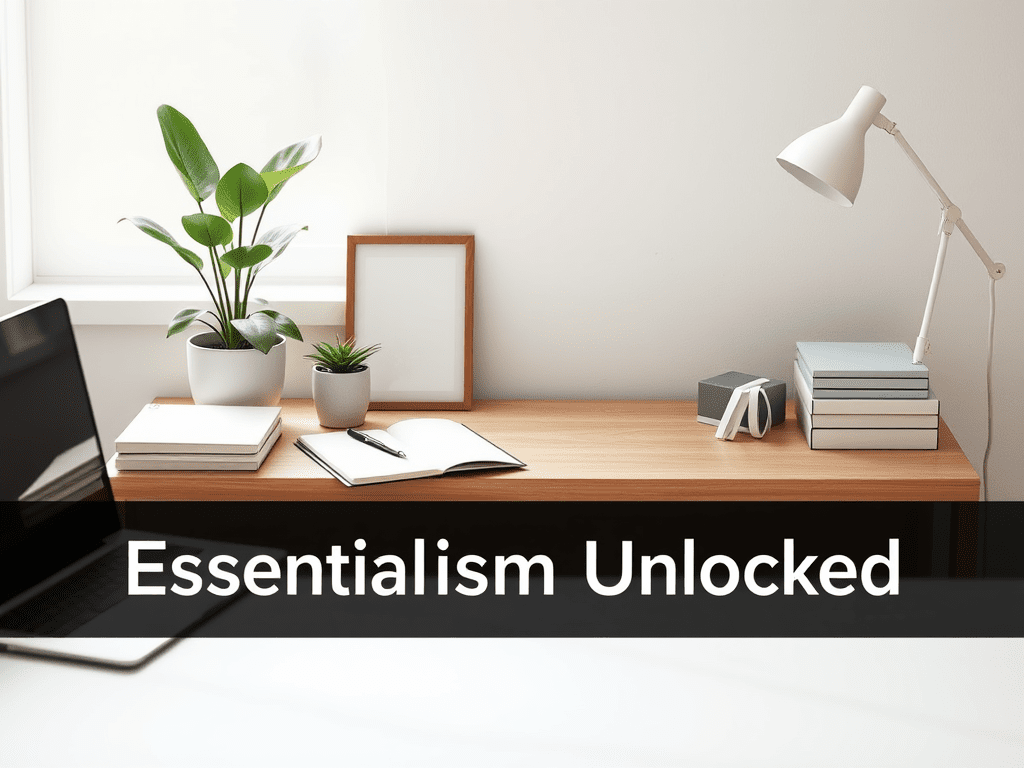
In a world overflowing with possessions and perpetual consumption, minimalism has emerged as a transformative lifestyle and mindset—one that offers not just a tidy home, but an emotional detox. “The Emotional Detox of Minimalism: Why Letting Go of Gifts from the Past Creates Freedom Today” explores how releasing sentimental clutter can unlock mental clarity, reduce anxiety, and cultivate a profound sense of freedom. By journeying through the layers of attachment and understanding the power of intentional living, you’ll learn why letting go of those well‑meaning but burdensome gifts can be the first step toward lasting inner peace and a minimalist lifestyle that truly serves you.
Understanding the Emotional Detox of Minimalism
Before diving into practical steps, it’s essential to grasp what “emotional detox” means in the minimalist context. This section defines the concept, uncovers why sentimental attachments accumulate, and highlights the tangible mental and emotional benefits you gain by decluttering. Armed with this foundation, you’ll recognize that minimalism isn’t simply about empty shelves—it’s about freeing your mind from the weight of the past.
Defining Emotional Detox in a Minimalist Context
An emotional detox of minimalism refers to the intentional process of releasing items that carry emotional baggage—particularly gifts from the past—to recalibrate your relationship with possessions. Unlike a surface‑level purge, this detox targets the feelings and memories tied to objects, allowing you to:
- Recognize and process lingering emotions
- Separate identity from material items
- Create mental space for present‑moment awareness
By understanding emotional detox as a form of self‑care, you transform decluttering from a chore into a powerful practice that nurtures emotional resilience and champions freedom today.
How Sentimental Attachments Accumulate Over Time
Sentimental attachments often begin innocuously: a birthday gift, a souvenir from a special trip, or a handcrafted token from a loved one. Over years—sometimes decades—these items multiply, embedding themselves into the corners of closets and attics. Key drivers of accumulation include:
- Guilt and Obligation: Feeling ungrateful if you discard a gift
- Fear of Forgetting: Believing an object is the only way to preserve a memory
- Identity Reinforcement: Clinging to items that define past selves
Unchecked, these attachments form an invisible barrier that obscures your present needs and goals. Recognizing the psychological patterns behind accumulation is the first step in dismantling them.
The Mental and Emotional Benefits of Decluttering
Letting go isn’t merely about freeing physical space—it triggers profound mental and emotional shifts. Research and real‑world testimonials frequently highlight:
- Reduced Anxiety: A decluttered environment lowers cortisol levels and calms the nervous system.
- Enhanced Focus: Fewer distractions lead to improved productivity and creative flow.
- Heightened Self‑Confidence: Making deliberate decisions about possessions reinforces personal agency.
- Improved Emotional Regulation: Processing attachments helps you handle grief, regret, and nostalgia in healthier ways.
By embracing this emotional detox, you invite lasting benefits—mental clarity, stronger self‑awareness, and the freedom to curate a life aligned with your core values. As you proceed through this guide, remember that each item released is a step closer to the minimalist freedom you crave.
Identifying Gifts from the Past That Hold You Back
To embark on an emotional detox of minimalism, you must first pinpoint the very items that anchor you to bygone moments. Identifying gifts from the past that hold you back involves recognizing the emotional baggage tied to possessions, understanding which types of gifts most often trigger attachment, and engaging in self‑reflection exercises that uncover hidden clutter. This clarity empowers you to approach decluttering with intention and compassion, paving the way for freedom today.
Recognizing Emotional Baggage in Sentimental Items
Sentimental items often masquerade as treasures, yet they can carry heavy emotional baggage that stifles your present‑moment living. To discern when a gift from your past does more harm than good, consider the following indicators:
- Guilt or Obligation: You feel obligated to keep an item “out of respect” rather than joy.
- Emotional Triggers: Seeing the object prompts anxiety, sadness, or regret instead of warm nostalgia.
- Physical Neglect: The item is stored in boxes or hidden spaces, never displayed or used.
- Decision Paralysis: You avoid decluttering because parting with the item seems too difficult.
By cataloging these emotional cues, you can differentiate between truly meaningful keepsakes and items that clog your mental and physical space. This awareness is essential for executing a targeted minimalist purge.
Common Categories of Gifts That Trigger Attachment
Not all gifts are created equal when it comes to sentimental weight. Certain categories frequently accumulate emotional clutter, making them prime candidates for review during your minimalist journey. These include:
- Heirlooms and Family Hand‑Me‑Downs: Objects passed through generations can feel impossible to release, even if they don’t fit your current lifestyle.
- Event‑Based Souvenirs: Mementos from weddings, graduations, or vacations often lose their significance once the moment passes.
- Handmade or Personalized Gifts: Crafts, letters, and custom items can carry disproportionate emotional value.
- Unused “Someday” Items: Presents that promised future enjoyment—a specialty cooking tool, craft kit, or gadget—that never materialized.
- Tokens of Past Relationships: Gifts from ex‑partners or friends you’ve grown apart from, which may reopen old wounds.
Recognizing these categories helps you anticipate where the largest emotional hurdles lie, so you can prepare supportive strategies for release rather than stumbling into regret mid‑declutter.
Self‑Reflection Exercises to Reveal Hidden Clutter
Once you know which gifts tend to carry extra baggage, use structured self‑reflection exercises to uncover items you’ve been avoiding. These exercises deepen your emotional detox by bringing subconscious attachments into conscious awareness:
- Memory Mapping: Create a timeline of significant life events and list associated items. Notice which objects still evoke strong emotions.
- “Keep, Donate, Release” Journaling:
- For each sentimental gift, write one paragraph on why you want to keep it, one on why you might let it go, and one imagining life after release.
- Physical Touch Test: Hold each item for 10 seconds. Pay attention to your body’s reactions—relief, tension, or indifference.
- Question Prompts:
- “Does this item represent who I am today or who I was?”
- “If someone else found this in a donation box, would it still convey the intended memory?”
- “What am I gaining by holding onto this gift, and what am I sacrificing?”
These exercises guide you toward breakthroughs, revealing hidden clutter that standard decluttering methods might overlook. By confronting the emotional roots of attachment, you prepare yourself to let go with confidence and compassion.
The Step‑By‑Step How‑To Guide for Letting Go
Transitioning from awareness to action is the heart of your emotional detox. This section delivers a structured, step‑by‑step how‑to guide for letting go of gifts from the past, empowering you to prepare mentally, execute a targeted purge, and cultivate lasting habits that support your minimalist freedom.
Preparing Mentally for an Emotional Declutter
Before you touch a single object, your mindset must be aligned with your goals. Mental preparation ensures you approach decluttering with clarity rather than chaos. Begin by:
- Setting Clear Intentions: Write down why you’re engaging in an emotional detox—whether it’s to reduce anxiety, reclaim space, or foster personal growth.
- Allocating Dedicated Time: Schedule blocks of at least 60–90 minutes when you won’t be interrupted. Emotional decluttering requires focus.
- Gathering Support Tools: Prepare three boxes or bags labeled “Keep,” “Release,” and “Donate/Pass On.” Having supplies at hand streamlines decision‑making.
- Creating an Uplifting Environment: Play calming music, light a candle, or practice five minutes of deep breathing to center your emotions.
By preparing mentally, you transform decluttering from a chore into a conscious practice—laying the groundwork for each subsequent step.
The 5‑Step Minimalist Purge Process
This five‑step process guides you through sorting, assessing, releasing, and replacing items—each phase building on the last to ensure a comprehensive emotional detox.
Sort: Categorize Keepsakes by Emotional Value
Begin by gathering all sentimental gifts into one visible space. Then sort items into three piles based on their immediate emotional resonance:
- High‑Value Keepsakes: Objects that spark genuine joy and hold core memories you wish to preserve.
- Neutral Mementos: Items that feel neither positive nor negative—you’re indifferent to their presence.
- Emotional Baggage: Objects that trigger stress, guilt, or regret when you handle them.
This visual organization clarifies which items deserve deeper consideration and which are ready for the next phase.
Assess: Weigh Memories Versus Mental Load
With your piles established, evaluate each item’s true cost and benefit:
- Benefit Assessment: Ask, “Does this object enhance my current life or support my values?” If yes, it may belong in “Keep.”
- Cost Calculation: Reflect on the mental load—time spent storing, guilt carried, or emotional energy drained.
- Threshold Test: If the cost outweighs the benefit—even for a beloved souvenir—it’s a signal to move it to “Release.”
This careful weighing prevents impulsive decisions and ensures you retain only what truly matters.
Release: Rituals for Saying Goodbye
Letting go can stir strong emotions, so incorporate a ritual to honor memories and ease the transition:
- Memory Writing: Before parting, write a brief note about why the gift mattered.
- Farewell Ceremony: Hold the item, express gratitude aloud, then place it in the “Release” bag.
- Photographic Keepsake: Photograph the object and store the image digitally to preserve the memory without physical clutter.
These practices validate your emotional experience, transforming release from loss into a mindful act of closure.
Replace: Cultivating New, Intentional Habits
After the purge, filling the space with intention prevents rebound clutter:
- Mindful Purchasing: Commit to purchasing one high‑quality item for every three you release.
- Experience Over Objects: Invest in activities—classes, hikes, or gatherings—that create memories without physical volumes.
- Regular Mini‑Purges: Schedule quarterly reviews to prevent future accumulation of gifts that no longer serve you.
By replacing possessions with purposeful habits, you reinforce the minimalist mindset and safeguard your emotional freedom.
Overcoming Emotional Resistance and Regret
Even with clarity and intention, emotional resistance and regret can surface as you detach from gifts of the past. This section equips you with strategies to acknowledge and move through fear, anchor yourself in the present moment, and reframe the act of letting go as a catalyst for personal growth. By confronting these internal barriers head‑on, you ensure your minimalist journey remains empowering rather than defeating.
Common Fears and How to Confront Them
When you attempt to release sentimental items, several universal fears may arise. Identifying and addressing these fears prevents them from derailing your progress:
- Fear of Loss: “I’ll lose a piece of my identity.”
- Confrontation Strategy: Remind yourself that identity resides in memories and values, not objects. Create a digital scrapbook of stories associated with each item to preserve identity without clutter.
- Fear of Forgetting: “If I let this go, I’ll forget that time in my life.”
- Confrontation Strategy: Use memory anchors like photos or journal entries. When you write or photograph the object, you externalize the memory, reducing the need for the physical artifact.
- Fear of Guilt or Disrespect: “Discarding this gift feels ungrateful to the giver.”
- Confrontation Strategy: Acknowledge gratitude through a thank‑you note or mental reflection. Then recognize that the highest respect you can show is to honor your own well‑being.
- Fear of Regret: “What if I need this someday?”
- Confrontation Strategy: Apply the “Use It or Lose It” rule: if an item hasn’t been used or revisited in over a year, its practical necessity is likely minimal. Place such objects in a “Maybe” box for a three‑month trial; if untouched, release them.
By naming each fear and matching it with a concrete strategy, you transform abstract anxieties into actionable steps. This empowers you to move past hesitation and continue your emotional detox of minimalism.
Mindful Techniques for Staying Present
Remaining anchored in the present moment prevents your mind from spiraling into “what‑ifs” or reminiscing about the past. Integrating mindfulness into your decluttering practice ensures you observe emotional reactions without self‑judgment:
- Breath Awareness: Pause before handling each item to take three slow, deliberate breaths. This calms the nervous system and centers your focus on the task, not the emotion.
- Body Scan Meditation: Perform a quick head‑to‑toe scan, noticing tension or comfort as you contemplate release. This heightens somatic awareness, helping you distinguish physical responses from mental narratives.
- Grounding Techniques: Place your feet flat on the floor and describe five objects you see, four textures you feel, three sounds you hear, two scents you detect, and one taste. This 5‑4‑3‑2‑1 exercise shifts attention to the here and now.
- Labeling Emotions: When anxiety or regret arises, silently name it: “This is nostalgia,” or “This is guilt.” Research shows labeling emotions reduces their intensity and prevents overidentification.1
By weaving these practices into your decluttering sessions, you maintain emotional equilibrium, reduce overwhelm, and strengthen your capacity to make intentional decisions in real time.
Reframing Loss as Personal Growth
Shifting your mindset from loss to growth reframes the act of letting go as a positive transformation rather than deprivation. Use these approaches to internalize that perspective:
- Gratitude Journaling: For every item you release, write two sentences expressing gratitude for the memory or lesson it provided. This cements positive associations and anchors your focus on abundance rather than absence.
- Cognitive Reappraisal: Deliberately reinterpret your feelings: instead of “I’m losing something,” affirm “I’m making space for new experiences.” Over time, this rewiring becomes second nature.
- Vision Mapping: Create a visual board or list of goals and experiences you want to invite into your life. Every item released represents a step toward that vision, reinforcing progress rather than loss.
- Micro‑Celebrations: After releasing a particularly challenging gift, pause to acknowledge your courage. Celebrate with a small reward—enjoy a favorite tea, take a brief walk, or indulge in a creative hobby.
By consciously reframing release as an act of growth, you transform regret into empowerment. Each gift you let go of becomes a milestone on your path to freedom today, reflecting the heart of the emotional detox of minimalism.
Integrating Freedom Today Through Minimalist Practices
After releasing gifts from the past and overcoming emotional resistance, the key to sustaining your emotional detox is integrating minimalist practices into daily life. By crafting a sustainable, clutter‑free lifestyle, embedding simple rituals to maintain mental clarity, and adopting ongoing habits for emotional detox, you transform a one‑time purge into a lifelong path of freedom today.
Creating a Sustainable, Clutter‑Free Lifestyle
Building a home and mindset that resists future accumulation is critical to preserving your emotional detox. A sustainable, clutter‑free lifestyle balances intentional consumption with mindful letting go:
- One‑In, One‑Out Policy: For every new gift or purchase, commit to releasing one item of equal or greater emotional or physical “weight.” This maintains equilibrium and prevents backsliding into clutter.
- Designated Memory Zones: Allocate a small, defined space—such as a single drawer or shelf—for sentimental items. When the zone fills, assess which keepsakes still serve you before adding more.
- Annual Emotional Audit: Schedule a yearly review to revisit gifts from the past. Ask whether each keepsake still aligns with your current values and aspirations.
- Quality Over Quantity: Choose high‑quality, multifunctional items instead of impulse buys. Durable possessions are less likely to become disposable clutter or trigger regret.
- Digital First Approach: Digitize photos, letters, and documents to reduce physical storage needs. Cloud backups ensure memories remain accessible even as you let go of tangible versions.
By embedding these practices into your routine, you reinforce the emotional detox of minimalism and prevent new layers of material and sentimental baggage from accumulating.
Daily Rituals to Maintain Mental Clarity
Small, consistent rituals solidify the mental freedom you’ve gained. Incorporate these daily habits to keep emotional clutter at bay and maintain clarity:
- Morning Mindset Check‑In: Spend two minutes each morning identifying one emotional or material burden you’ll release today. This primes your mind for intentional living.
- Evening Reflection Minutes: Before bed, journal for five minutes on what items or thoughts felt burdensome and how you can address them—whether through release, reframe, or reprioritization.
- Clutter‑Free Zone Practice: Choose one small area—a desk corner, a shelf, or a drawer—and spend one minute tidying it daily. Consistent micro‑efforts prevent clutter from resurging.
- Mindful Acquisition Pause: When gifted an item or considering a purchase, pause for 24 hours. Ask: “Will this enhance my life or add emotional baggage?” Delaying decisions reduces impulsive accumulation.
- Digital Declutter Break: Once a week, review one digital category—email inbox, photo gallery, or desktop files—and delete anything that no longer serves you emotionally or practically.
These daily rituals anchor the minimalist mindset, ensuring your emotional detox remains a lived experience rather than a past achievement.
BONUS: 7 Simple Habits for Ongoing Emotional Detox
To support continuous freedom today, integrate these seven habits into your lifestyle. Each habit targets emotional baggage before it settles in:
- Weekly “Release List”: Maintain a running list of items that evoke hesitation or guilt. At week’s end, pick one to release, ensuring steady progress.
- Memory Mapping Review: Monthly, revisit your memory map and identify outdated associations. Digitally archive items whose stories no longer need physical presence.
- Gratitude Snapshot: After letting go, write a single‑sentence gratitude note. Over time, this habit shifts focus from loss to abundance.
- Color‑Code Keepsakes: Assign colored tags—green for high‑value, yellow for maybe, red for release—to visual‑ize the emotional weight of items at a glance.
- Minimalist Reading Hour: Dedicate 30 minutes a month to reading a book or blog on minimalism or emotional wellness. Fresh perspectives reinforce commitment.
- Storytelling Share‑Out: Once a quarter, share your minimalist journey with a friend or group. Verbalizing challenges and victories solidifies learning and accountability.
- Seasonal Swap‑Out: At each seasonal change, inspect clothing and decor for emotional clutter. Donate or release items that no longer align with your evolving lifestyle.
Adopting these habits fosters an ongoing emotional detox, preventing the re‑accumulation of gifts from the past and ensuring that the freedom gained through minimalism remains vibrant every day.
Inspirational Stories of Transformation
Real‑world examples illuminate the profound impact of an emotional detox through minimalism. In this section, you’ll encounter a detailed case study of a dramatic turnaround, heartfelt personal testimonials from individuals who’ve reclaimed freedom today, and distilled lessons that guide your next‑level minimalist goals. These stories demonstrate how letting go of gifts from the past can catalyze lasting change.
Case Study: From Hoarder to Mindful Minimalist
Background: “Maria,” a 42‑year‑old graphic designer, lived in a three‑bedroom home overflowing with inherited heirlooms, event‑based souvenirs, and handmade gifts dating back decades. Each item carried nostalgia, but also guilt and decision paralysis. Clutter crept into every corner, amplifying her anxiety and eroding her focus at work.
Emotional Detox Process:
- Initial Audit: Maria spent two weekends memory mapping key life stages—childhood, college, career milestones—and listed associated items. This revealed over 150 sentimental objects she barely remembered.
- 5‑Step Purge:
- Sort: She categorized 60 “high‑value” keepsakes, 40 neutral mementos, and 50 items of emotional baggage.
- Assess: Applying the threshold test, Maria found that 70% of her “high‑value” items hadn’t been touched in five years, prompting deeper scrutiny.
- Release Rituals: For each release, she photographed the object and wrote a brief gratitude note, then ceremonially placed it in a donation box.
- Replace: Maria committed to a “one‑in, one‑out” policy, exchanging released items for experiences—like art classes—instead of things.
- Mindful Maintenance: She instituted a monthly “release list,” ensuring any new sentimental gift triggered reflection rather than automatic retention.
Results: Within three months, Maria’s living space felt airy and purposeful. She reported a 40% reduction in daily decision fatigue, a 25% improvement in creative productivity at work, and a renewed sense of sovereignty over her environment. The emotional detox of minimalism became the catalyst for an inspired and focused lifestyle.
Personal Testimonials of Renewed Freedom
Listening to diverse voices reveals how emotional detox resonates uniquely. Below are anonymized testimonials illustrating transformation across different life stages and circumstances:
- “David, 29, Software Engineer”
“Letting go of the vintage board games my college friends gifted me felt like shedding an old identity. Once they were gone, I finally had the mental bandwidth to start my side‑project. My home feels calmer, and I’m more present in relationships.” - “Priya, 55, Retiree”
“After inheriting my parents’ keepsakes, I couldn’t bear to part with anything. Once I realized these objects were weighing on my grief, I wrote memory vignettes for each. Donating the physical items felt like giving my memories room to breathe. I now volunteer two days a week, rather than sorting through dusty boxes.” - “Liam, 36, Freelance Photographer”
“Gadget gifts I never used sat unopened for years. I applied the ‘touch test’—if it didn’t spark joy or purpose, it had to go. Selling unused gear funded my dream travel project, and now I capture more meaningful work without distraction.”
Each testimonial underscores the central truth of this emotional detox: freedom today arises when you release the past’s physical anchors and choose intentional living over accumulation.
Lessons Learned and Next‑Level Minimalist Goals
Drawing on these inspirational journeys, extract actionable lessons and set forward‑looking goals to sustain your emotional detox:
- Lesson 1: Memories Don’t Live in Objects. Preserve stories through digital means—photos, journals, or voice recordings—rather than physical keepsakes.
- Lesson 2: Rituals Anchor Emotional Release. Whether it’s a gratitude note, a farewell ceremony, or a small celebration, rituals honor your past while facilitating authentic closure.
- Lesson 3: Consistency Prevents Rebound Clutter. Regular mini‑purges, release lists, and audits maintain momentum and avert accumulation of new emotional baggage.
- Goal 1: Build a Minimalist Memory Archive. Create an organized digital folder or scrapbook that captures your most cherished memories without physical clutter.
- Goal 2: Cultivate Experience‑Based Living. Prioritize activities—courses, travel, meaningful gatherings—that foster growth and joy beyond material possessions.
- Goal 3: Share Your Journey to Inspire Others. Whether through a blog, social media, or a local meetup, articulating your emotional detox story deepens your commitment and supports community learning.
By internalizing these lessons and striving toward next‑level minimalist goals, you ensure the emotional detox of minimalism remains a living practice—one that continues to create freedom today and in the years to come.
Discover more from Alchem Learning
Subscribe to get the latest posts sent to your email.