Crafting an intentional morning ritual is the cornerstone of high performance. Whether you’re looking to sharpen your focus, sustain boundless energy, or master your time management skills, understanding the underlying science empowers you to build a routine that becomes a catalyst for lasting productivity. In this comprehensive guide, we unpack the research-backed principles that transform simple morning habits into a powerhouse ritual.
The Science of Morning Rituals: Why They Boost Focus, Energy, and Time Management Skills
A well-designed morning ritual isn’t just about feeling good—it leverages neuroscience, endocrinology, and behavioral psychology to optimize brain chemistry, hormonal balance, and daily habits. By aligning your routine with the body’s natural rhythms and proven habit‑formation strategies, you set the stage for unparalleled focus, sustainable energy, and efficient time management throughout your day.
Understanding Habit Formation and Daily Routines
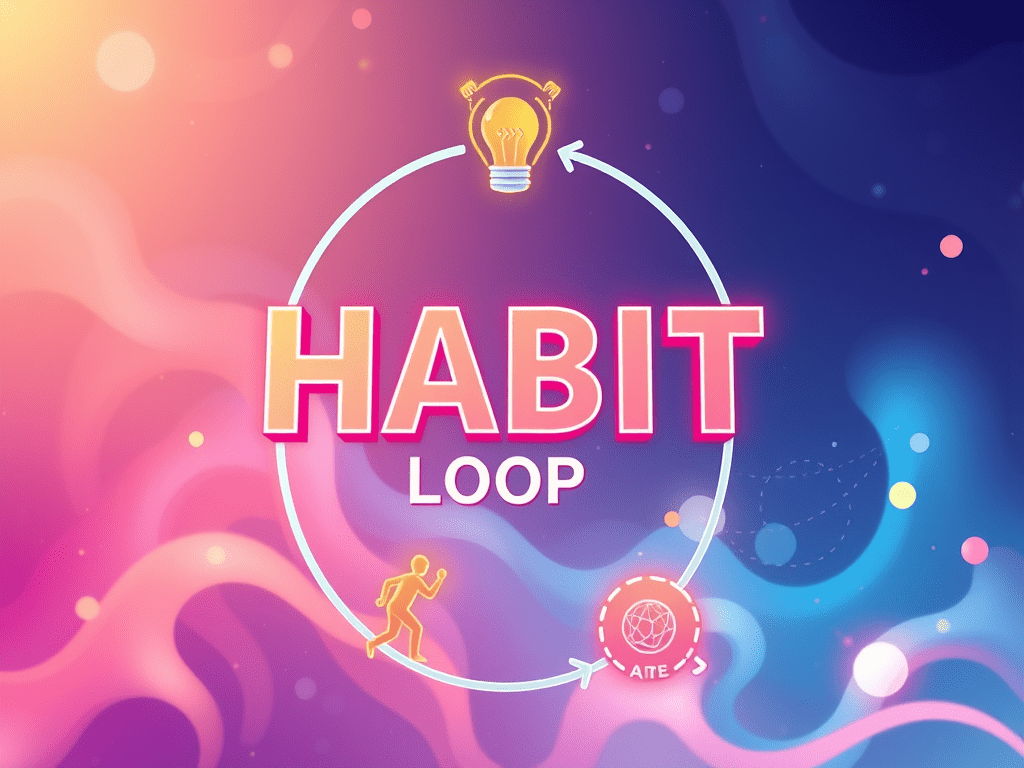
Habits are automatic behaviors triggered by consistent cues and rewards. Research shows that routines anchored to a clear cue—such as waking up at the same time—and reinforced by tangible rewards solidify neural pathways in the basal ganglia, making the actions almost effortless over time.
- Cue: The alarm clock or sunrise triggers your ritual.
- Routine: A sequence of actions—hydration, movement, mindfulness.
- Reward: Enhanced clarity, mood boost, or sense of accomplishment.
By consciously designing each element, you move from willpower‑driven mornings to an automated, high-impact ritual that consistently supercharges your focus, energy, and time management skills.
Circadian Rhythms and Energy Levels
Your body runs on a roughly 24‑hour cycle known as the circadian rhythm, which dictates fluctuations in alertness, hormone secretion, and metabolic functions. Aligning morning activities with these natural peaks and troughs elevates your ritual’s effectiveness.
The Role of Cortisol and Adrenaline in Morning Alertness
Cortisol, often called the “stress hormone,” follows a diurnal pattern, peaking about 30–45 minutes after waking—a phenomenon known as the cortisol awakening response (CAR). This surge enhances alertness and primes your brain for focus.
- Peak Cortisol: Occurs between 6 AM and 9 AM in most individuals.
- Adrenaline Release: Triggered by light exposure and movement, it complements cortisol to sharpen cognitive functions.
- Practical Tip: Step into natural or bright light within 15 minutes of waking to amplify CAR and kickstart energy levels.
Timing Activities for Peak Cognitive Performance
Studies indicate that tasks requiring intense concentration—such as creative writing or strategic planning—benefit most when scheduled during the first two to three hours after waking. Conversely, routine administrative work can be slotted later when cognitive arousal begins its natural decline.
- 06:00–08:30: High-focus activities (deep work, problem solving).
- 08:30–10:00: Moderate-focus tasks (emails, quick calls).
- Post‑10 AM: Lower‑intensity tasks (meetings, filing).
By consciously mapping your morning ritual around these windows, you harness your circadian highs to maximize productivity and guard against midday energy slumps.
Cognitive Benefits of Early Morning Focus
Engaging your most demanding cognitive tasks early reaps compounding benefits:
- Enhanced Neuroplasticity: Morning learning tasks solidify new neural connections more effectively.
- Reduced Decision Fatigue: Tackling key decisions first prevents willpower depletion later in the day.
- Momentum Generation: Completing a high-value task early fuels motivation and sets a positive trajectory.
By intentionally incorporating deep-focus periods into your morning ritual, you not only supercharge your attention span but also lay a foundation for efficient time management, ensuring that priority tasks are addressed before distractions mount.
Setting Powerful Morning Ritual Goals to Elevate Your Productivity
Before you build any morning ritual, it’s essential to establish clear, outcome‑driven goals that target your focus, energy, and time management skills. Goal setting transforms vague intentions into concrete benchmarks, guiding each element of your routine toward measurable gains. By defining what you want to achieve—whether sharper concentration, sustained vitality, or streamlined scheduling—you lay a strategic foundation for a morning practice that consistently propels you toward peak performance.
Defining Focus, Energy, and Time Management Objectives
Clarity around your desired outcomes is the first step in designing a morning ritual with impact. Break down your broad aims—enhanced focus, amplified energy, and optimized time management—into specific, actionable objectives. This granularity provides decision‑making criteria for selecting the right habits and metrics for tracking progress.
- Focus Objectives:
- Complete one deep‑work task uninterrupted for 45–60 minutes each morning.
- Reduce context‑switching by scheduling only one cognitive‑intensive activity in the first two hours.
- Energy Objectives:
- Achieve a resting heart rate reduction of 5% through morning movement within four weeks.
- Maintain consistent hydration levels (monitor via urine color or smart bottle) before 9 AM.
- Time Management Objectives:
- Finalize and time‑block your top three daily priorities by 7:30 AM.
- Limit morning social media or email checks to one 10‑minute slot.
By articulating these objectives, you ensure every ritual component—from meditation to macro‑planning—directly supports your overarching goal of supercharged productivity.
Crafting SMART Goals for Your Ritual
SMART goals (Specific, Measurable, Achievable, Relevant, Time‑bound) serve as a powerful framework for translating your productivity objectives into targeted morning rituals. This approach prevents vagueness (“I want more energy”) and replaces it with precision (“I will perform 10 minutes of dynamic stretching immediately after waking”).
- Specific: Identify the exact habit (e.g., “Journal three top priorities for the day”).
- Measurable: Attach quantifiable metrics (e.g., “Hold plank for 60 seconds”).
- Achievable: Ensure the goal aligns with your current capacity (e.g., start with 5 minutes of meditation if you’re a beginner).
- Relevant: Tie each goal to boosting focus, energy, or time management (e.g., breathing exercises to reduce stress and sharpen attention).
- Time‑Bound: Define a clear deadline or schedule (e.g., “Complete hydration ritual within 10 minutes of waking”).
Example SMART Ritual Goal: “By July 31, I will perform a 5‑minute breathing exercise immediately after getting out of bed, using the Calm app’s guided session, to lower morning cortisol peaks and enhance mental clarity.” This goal is crystal clear, trackable, and tied to proven science around cortisol awakening response.
Aligning Ritual Goals With Your Long‑Term Productivity Vision
Your morning ritual should act as a launchpad for broader aspirations—whether climbing the corporate ladder, mastering a creative craft, or achieving work‑life harmony. By linking ritual goals to your long‑term productivity vision, you maintain motivation and ensure that daily habits compound toward meaningful outcomes.
- Map Goals to Milestones: If your six‑month vision is to write a 50,000‑word manuscript, dedicate 30 focused minutes each morning to drafting chapters—tracking word count to measure progress.
- Leverage Habit Stacking: Attach a new focus‑enhancing habit (e.g., a 2‑minute brain‑dump) to an existing energy habit (e.g., post‑hydration stretch) to reinforce alignment with your vision.
- Visualize Outcomes: Spend 2–3 minutes in your ritual visualizing how amplified focus and energy will accelerate your long‑term goals—this mental rehearsal cements relevance and boosts intrinsic motivation.
- Review and Reflect Monthly: Schedule a 10‑minute audit at month’s end to compare your ritual’s performance metrics (focus duration, energy consistency, time‑block adherence) against progress toward strategic objectives.
By weaving your morning ritual goals into the fabric of your long‑term plan, every act—from the moment your alarm rings—serves a strategic purpose. This intentionality transforms simple practices into a powerful engine driving exponential gains in focus, energy, and time management skills over weeks, months, and years.
Step‑By‑Step Design of Your Ultimate Morning Ritual
Translating goals into action requires a precise, sequential blueprint. This step‑by‑step design guides you through each phase—from evening prep to mindful closure—ensuring every minute of your morning ritual supercharges your focus, energy, and time management skills. Follow this proven sequence to transform scattered routines into a powerful, high‑impact morning practice.
Night‑Before Preparation: The Foundation for Success
Optimizing your morning starts the evening before. Intentional preparation reduces decision fatigue and primes your body and mind for seamless execution.
- Set a Consistent Bedtime: Aim for 7–8 hours of sleep by lights‑out at the same hour each night. Consistency stabilizes circadian rhythms, enhancing morning alertness.
- Pre‑Plan Your Ritual Sequence: Jot down your wake‑up time, hydration step, movement routine, and priority task list in a bedside notebook or digital planner.
- Lay Out Essentials: Arrange workout clothes, water bottle, journal, and any tools (e.g., yoga mat, meditation cushion) in a designated “launch zone.”
- Limit Blue Light Exposure: Diminish screen time 30–60 minutes before bed. Instead, engage in a wind‑down activity—reading or gentle stretching—to support melatonin production.
- Hydration Prep: Fill a glass or smart water bottle and place it on your nightstand to kick off the hydration ritual immediately upon waking.
Wake‑Up Techniques for Instant Energy
How you wake up sets the tone for your entire morning ritual. Use strategic techniques to leap out of bed, align your hormonal response, and ignite adrenaline-driven focus.
Alarm Strategies and Light Exposure
A well‑engineered wake‑up maximizes the cortisol awakening response and leverages natural light to accelerate alertness.
- Dual‑Alarm Method: Set a gentle, progressive alarm 15 minutes before your target wake‑up, followed by a louder tone at the actual time. This minimizes grogginess and eases sleep inertia.
- Dawn Simulator or Smart Bulb: Use a wake‑light device that gradually increases brightness over 20–30 minutes, syncing with your circadian rhythm to stimulate cortisol release.
- Immediate Light Exposure: Within 5 minutes of waking, expose yourself to natural sunlight or a 10,000 lux light therapy lamp. Light suppresses melatonin and peaks cortisol, boosting focus and energy.
- Open Curtains or Step Outside: If weather permits, spend 2–3 minutes on a balcony or by a window. Even diffused daylight enhances alertness more effectively than indoor lighting.
Movement and Exercise for Focus Enhancement
Physical activation is a cornerstone of any morning ritual designed to sharpen cognitive performance. Exercise increases blood flow, releases endorphins, and primes neural pathways for sustained concentration.
- Dynamic Warm‑Up (3–5 Minutes): Perform joint mobilization drills (neck rolls, shoulder circles, hip openers) to awaken your body and reduce injury risk.
- High‑Intensity Interval Training (HIIT): Incorporate 5–10 minutes of bodyweight circuits (e.g., squats, push‑ups, burpees) to spike heart rate and trigger adrenal activation for heightened mental alertness.
- Yoga or Mobility Flow: Follow a 10‑minute sequence focusing on spinal extension and deep breathing to balance sympathetic and parasympathetic systems, reducing stress and sharpening focus.
- Cool‑Down Stretch (2–3 Minutes): End with static stretches targeting major muscle groups, paired with conscious breathing to transition smoothly into cognitive tasks.
Nutrition and Hydration for Lasting Energy
Fueling your body with the right nutrients immediately after movement sustains energy levels and supports cognitive function, preventing mid‑morning slumps.
- Hydration Kick‑Start: Drink 300–500 ml of water with a pinch of sea salt or electrolyte powder to replenish fluids and minerals lost overnight.
- Protein‑Rich Breakfast: Aim for 15–20 grams of protein within the first hour—options include Greek yogurt, egg‑white omelet, or a collagen peptide smoothie. Protein stabilizes blood sugar and prolongs mental clarity.
- Low‑Glycemic Carbohydrates: Incorporate fiber‑rich foods such as oats, berries, or sweet potato to provide a steady glucose supply without insulin spikes.
- Healthy Fats: Add sources like avocado, nuts, or MCT oil to your meal or coffee to support ketone production, which some studies link to improved cognitive performance.
- Mindful Consumption: Eat slowly, chewing thoroughly to stimulate digestive enzymes and prevent digestive sluggishness that can distract from your tasks.
Mindfulness Practices to Sharpen Mental Clarity
Integrating a brief, focused mindfulness segment into your morning ritual cements mental resilience, reduces stress, and primes the prefrontal cortex for sustained attention.
- Guided Meditation (5–10 Minutes): Use a reputable app (e.g., Headspace, Calm) or a simple breath‑counting technique to anchor your mind and reduce cognitive noise.
- Visualization Exercise: Spend 2–3 minutes vividly imagining your top-priority tasks and successful outcomes. Visualization activates neural networks associated with action planning.
- Journaling Session (3–5 Minutes): Execute a brief “brain dump” or gratitude list to clear mental clutter and reinforce positive mindset, boosting creativity and focus.
- Affirmation or Mantra Repetition: Choose a concise, empowering phrase (e.g., “I am laser-focused and energized”) and repeat it aloud or silently to program your subconscious for productivity.
By meticulously following this step‑by‑step design, you build a morning ritual that reliably supercharges your focus, energy, and time management skills. Each phase reinforces the next, creating an unbreakable cycle of high performance that carries you through the day.
Structuring Your Morning Ritual Schedule for Peak Performance
An intentional schedule is the backbone of any high‑impact morning ritual. By segmenting your routine into clearly defined time blocks, prioritizing tasks according to a proven framework, and leveraging habit stacking, you transform a loose series of actions into a streamlined process that maximizes focus, energy, and time management skills. The structure you create determines how consistently you execute and how effectively you harness your morning momentum.
Time‑Blocking Your Ritual Segments
Time‑blocking allocates fixed intervals for each component of your morning ritual, minimizing decision fatigue and ensuring that no critical element is overlooked. Instead of moving haphazardly from one habit to another, you assign start and end times, creating a visual map that guides your behavior and preserves mental bandwidth.
- Define Total Ritual Duration: Decide on a realistic window—typically 45 to 90 minutes—based on your schedule and energy objectives.
- Break Into Micro‑Blocks: Divide the total duration into 5–15 minute segments dedicated to specific activities:
- Wake‑up and Light Exposure (5–10 minutes)
- Hydration and Nutrition Prep (10 minutes)
- Movement or Exercise (10–20 minutes)
- Mindfulness and Visualization (5–10 minutes)
- Priority Planning or Deep Work Launch (15–30 minutes)
- Anchor to Fixed Times: Schedule each block at consistent clock times (e.g., 6:00–6:10 AM for hydration) to harness circadian regularity and cue habit formation.
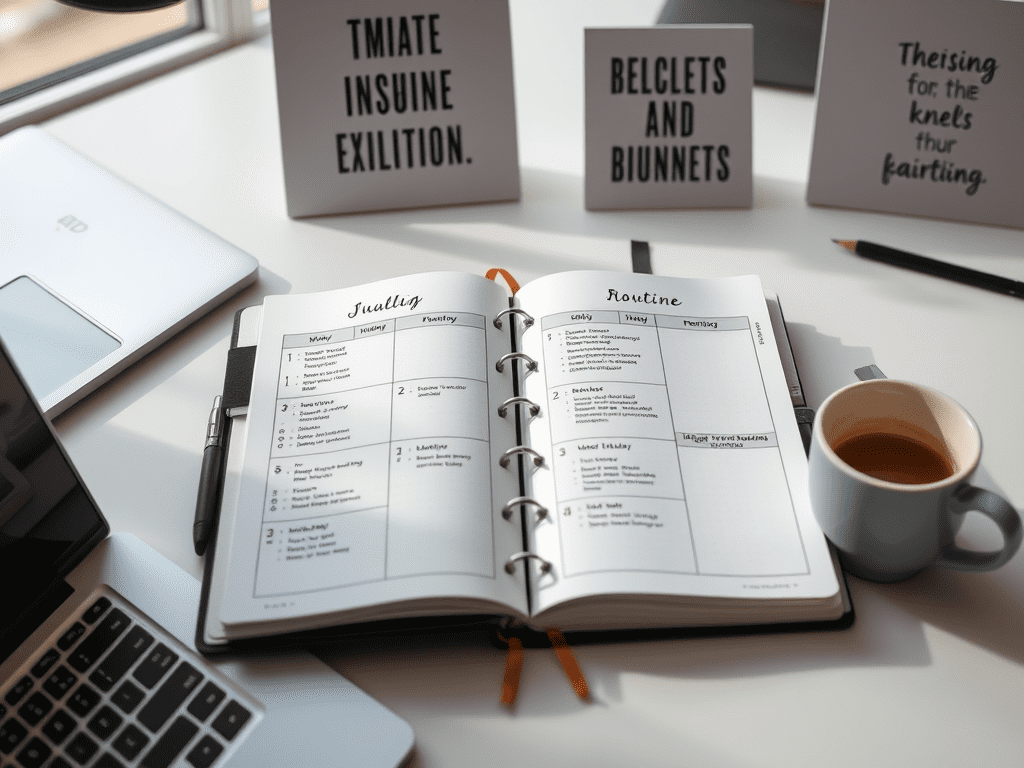
- Use a Visual Scheduler: Employ a paper planner or digital calendar with color‑coded blocks to provide at‑a‑glance clarity and reduce friction when transitioning between activities.
- Include Buffer Windows: Insert 2–5 minute buffers between segments to accommodate unforeseen delays and prevent schedule overruns.
Consistent time‑blocking not only elevates your time management skills but also reinforces momentum, making it easier to sustain energy and focus across each ritual segment.
Prioritizing Tasks With the 2‑3‑1 Rule
The 2‑3‑1 rule is a simple yet powerful framework for selecting and sequencing your morning tasks. By focusing on a limited number of high‑impact actions, you avoid overwhelm and ensure that your most critical objectives receive undivided attention when your cognitive resources are at their peak.
- 2 Critical Deep‑Work Tasks:
- Choose two tasks requiring maximum focus—such as strategic planning, creative writing, or complex problem‑solving.
- Allocate uninterrupted time blocks (e.g., 30–45 minutes each) to complete these tasks before shifting to lower‑intensity work.
- 3 Supporting Mid‑Priority Actions:
- Select three tasks that facilitate your critical work—such as data gathering, quick stakeholder updates, or preparatory research.
- Assign shorter blocks (10–15 minutes each) to maintain forward progress without draining focus.
- 1 Margin or Buffer Task:
- Identify one flexible task—like inbox triage, scheduling, or a brief review—which you can tackle if you finish early or adjust for minor delays.
- Use this margin to absorb unpredictability and protect your ritual’s core elements from spillover disruptions.
Implementing the 2‑3‑1 rule ensures that you prioritize high‑value activities when your energy and focus are highest, while also providing structure for essential supporting tasks and contingency planning.
Habit Stacking to Automate Consistency
Habit stacking leverages existing routines as anchors for new behaviors, dramatically increasing the likelihood of sustained adherence. By linking a desired new habit to a firmly established one, you create a cue‑action pair that becomes nearly automatic over time, reducing reliance on willpower.
- Identify Strong Anchor Habits: Choose reliable morning actions you already perform—such as turning off your alarm, brushing your teeth, or pouring your first glass of water.
- Link New Behaviors: Attach one new ritual element to each anchor:
- “After I brush my teeth, I will perform 3 minutes of stretching.”
- “After drinking my first glass of water, I will write my top two priorities.”
- “After opening the curtains, I will spend 2 minutes on deep breathing.”
- Maintain a Habit Tracker: Use a simple chart or app to record each day’s stacked habits, reinforcing accountability and visual progress.
- Gradually Expand Stacks: Once a stack feels effortless, introduce an additional linked behavior—up to three per anchor—to compound gains without overwhelming your routine.
- Review and Refine Bi‑Weekly: Assess which stacks are thriving and which need adjustment, ensuring your morning ritual evolves with your goals and lifestyle.
By systematically stacking habits, you convert your morning ritual into a fluid, self‑reinforcing sequence. Over weeks, the structure you meticulously build becomes an ingrained part of your day, allowing you to consistently harness heightened focus, sustained energy, and masterful time management.
Troubleshooting Common Morning Ritual Challenges With Proven Solutions
Even the best‑designed morning ritual can encounter obstacles that erode focus, sap energy, or derail your time management. Addressing these challenges head‑on with evidence‑based strategies ensures your routine remains a steadfast engine of productivity. Below are targeted solutions to overcome the most frequent pitfalls and maintain momentum.
Overcoming the Snooze Button Temptation
The allure of the snooze button undermines morning momentum by fragmenting sleep cycles and weakening the cortisol awakening response. Conquering this habit is crucial for preserving the energy boost your ritual provides.
- Move Your Alarm Out of Reach: Place your alarm clock or phone across the room. Physically getting out of bed engages your muscles and triggers an adrenaline surge that combats grogginess.
- Use Progressive Alarm Tones: Select alarms that gradually increase in volume or tone frequency over 30 seconds. This mimics natural waking processes and reduces shock‑induced cortisol spikes that impair mood later in the day.
- Leverage Accountability Partners: Commit to a wake‑up check‑in with a friend or family member via text or call. Social accountability can heighten motivation to rise promptly and begin your ritual on time.
- Implement a “No Snooze” Rule: Draft a signed agreement with yourself—display it by your bedside—to reinforce your commitment to resist snoozing. Mentally framing snooze‑ing as a contract breach strengthens willpower over time.
- Incorporate an Immediate Reward: Attach a small, pleasurable reward—such as a 30‑second dance to your favorite song—to your wake‑up cue. This positive reinforcement reshapes your automatic response from hitting snooze to initiating your ritual with enthusiasm.
Adapting Rituals for Busy or Unpredictable Schedules
No two mornings are identical. Travel, early meetings, or family obligations can disrupt your ideal routine. Flexibility built into your morning ritual ensures you maintain core habits even under time constraints.
- Prioritize Core Components: Identify the non‑negotiables—typically hydration, movement, and a 5‑minute focus practice. When pressed for time, execute these three elements in any order within a 10‑minute “micro‑ritual.”
- Create Tiered Ritual Versions: Design three scaled options:
- Full Ritual (60–90 min): Complete all segments—preparation, exercise, nutrition, mindfulness, and planning.
- Express Ritual (20–30 min): Condense to hydration, a 10‑minute HIIT burst, and a 5‑minute planning session.
- Micro Ritual (5–10 min): Focus on one dynamic stretch, a glass of water, and a quick “top 3” task jot down.
- Prepare a Portable Kit: Assemble travel‑friendly essentials—compact resistance band, electrolyte sachets, and a pocket journal—to replicate core ritual elements in hotels or coworking spaces.
- Use Temporal Landmarks: Anchor your ritual to reliable schedule markers—like the end of your commute or an early daily stand‑up. This flexibility transforms environmental cues into ritual triggers when your alarm time shifts.
- Leverage Technology Shortcuts: Utilize voice‑activated assistants or automation apps to initiate mindfulness or music playlists hands‑free, saving precious seconds when your hands are full.
Measuring Progress With Simple Morning Metrics
Quantifying your ritual’s impact fortifies motivation and highlights growth areas. By tracking a handful of meaningful metrics, you objectively assess how your morning practice enhances focus, energy, and time management over weeks and months.
- Focus Duration: Record the length of uninterrupted deep‑work sessions launched directly after your ritual. Aim for gradual increases—e.g., from 30 to 45 minutes within four weeks.
- Perceived Energy Levels: Use a simple 1–10 scale to rate your post‑ritual vitality each morning. Chart trends to identify correlations between specific ritual tweaks and energy spikes.
- Ritual Consistency Rate: Calculate the percentage of mornings you complete your chosen ritual tier (full, express, micro). A 90% consistency target fosters habit consolidation and time management mastery.
- Task Completion Score: Tally how many of your top three daily priorities are finished by midday. Improvement in this metric reflects both enhanced focus and efficient time allocation.
- Sleep Quality Indicator: Track nightly sleep quality via wearable devices or subjective journaling. Better sleep often amplifies the effectiveness of your morning ritual, creating a positive feedback loop.
Visualizing these metrics in a simple spreadsheet or habit‑tracking app reveals actionable insights—such as which ritual components drive the biggest energy gains or where time leaks occur. Regular reviews, bi‑weekly or monthly, enable you to refine your routine systematically, ensuring your morning ritual remains a dynamic, high‑performance tool for supercharging your focus, energy, and time management skills.
Advanced Biohacks and Tools to Supercharge Focus, Energy, and Time Management
Once your foundational morning ritual is established, integrating advanced biohacks and productivity tools can propel your focus, energy, and time management to elite levels. These evidence‑based interventions—ranging from wearable tech to targeted nutritional strategies—optimize physiological and cognitive performance. By selectively adopting high-impact biohacks and leveraging cutting‑edge apps, you’ll continuously refine your morning practice, ensuring sustained gains and measurable improvements over time.
Technology and Apps to Optimize Your Morning Routine
Modern productivity apps and wearable devices provide real‑time feedback, habit reminders, and data analytics—transforming your morning ritual from a static routine into a dynamic, data‑driven system.
- Habit‑Tracking Apps:
- Streaks or Habitica: Gamify habit adherence by earning points or visualizing streaks, boosting accountability and consistency.
- Loop Habit Tracker: Offers free, open‑source habit tracking with flexible scheduling and customizable reminders.
- Focus and Deep‑Work Tools:
- Forest: Encourages uninterrupted work by growing a virtual tree that withers if you exit the app.
- Focus@Will: Delivers neuroscience‑backed music channels designed to increase attention span and reduce distractions.
- Sleep and Recovery Trackers:
- Oura Ring or Whoop Strap: Monitor sleep stages, readiness scores, and HRV (heart rate variability) to fine‑tune bedtime and morning wake‑times.
- Sleep Cycle: Uses phone sensors to detect optimal wake‑up phase within a set window, reducing sleep inertia.
- Nutrition and Hydration Monitors:
- Cue Health or NutriSense: Continuous glucose monitors (CGMs) provide post‑meal glucose responses, helping you choose breakfast macros that sustain energy without crashes.
- HidrateSpark: A smart water bottle that tracks intake and glows as a reminder to maintain optimal hydration levels.
- Planning and Time Management Platforms:
- Notion or Todoist: Centralize morning to‑do lists, time‑blocked schedules, and reflection logs in a single workspace.
- Timeular: A physical time‑tracking device that connects to an app, enabling you to log rituals and work sessions with simple gestures.
Biohacking Techniques for Energy Maximization
Biohacks refine the biological foundations of your morning ritual, leveraging targeted interventions to amplify physical and cognitive energy. Each of these techniques has a growing body of research supporting its efficacy:
- Cryotherapy or Cold Exposure:
- Immersing in cold water or applying cold showers for 2–3 minutes stimulates norepinephrine release, improving alertness and mood.
- Start with 30 seconds of cool water and gradually extend duration to build tolerance and reap metabolic benefits.
- Red and Near‑Infrared Light Therapy:
- Using LED panels or handheld devices for 5–10 minutes on the face and body enhances mitochondrial function and ATP production, bolstering cellular energy.
- Ensure devices emit wavelengths between 630–670 nm (red) and 810–880 nm (near‑infrared) for optimum results.
- Nootropic Support:
- Caffeine plus L‑theanine: This proven combination improves reaction time, sustained attention, and reduces jitteriness when taken in a 1:2 ratio (e.g., 100 mg caffeine / 200 mg L‑theanine).
- Rhodiola Rosea: An adaptogenic herb shown to reduce mental fatigue and enhance concentration during stressful tasks when dosed at 200–400 mg standardized extract.
- Intermittent Fasting Window:
- Incorporating a 14–16 hour overnight fast can increase autophagy and optimize insulin sensitivity, supporting steady energy release when you break the fast.
- Delay breakfast to align with your fasting protocol, then consume nutrient‑dense meals to sustain morning performance.
- Breathwork and Oxygenation:
- Practicing Wim Hof–style breathwork (30 deep inhales, passive exhale) elevates blood oxygenation and reduces perceived exertion during morning exercise.
- Alternate nostril breathing for 3–5 minutes calms the sympathetic nervous system and primes cognitive focus.
Continuous Improvement Through Monthly Ritual Audits
Even advanced biohacks and productivity tools require periodic evaluation to ensure your morning ritual remains aligned with evolving goals and lifestyle changes. A structured monthly audit uncovers bottlenecks, highlights successes, and informs data‑driven refinements.
- Review Quantitative Metrics:
- Analyze focus duration, energy ratings, and consistency rates collected via apps or journals.
- Compare month‑over‑month trends to identify improvements or regressions.
- Assess Biohack Effectiveness:
- Evaluate biometric data (HRV, sleep quality, glucose response) to determine which interventions yield the highest ROI.
- Discontinue or adjust protocols that produce minimal gains or cause discomfort.
- Solicit Subjective Feedback:
- Journal reflections on mood, motivation, and cognitive clarity each morning for qualitative insights.
- Use simple surveys (1–5 scales) on energy and focus to complement objective data.
- Set Next‑Month Experiment Goals:
- Identify one new biohack or app feature to trial in the coming month, with clear success criteria.
- Plan a protocol duration (e.g., 30 days) and document start/end dates to ensure accountability.
- Refine Ritual Components:
- Adjust time blocks, habit stacks, or biohack intensity based on audit findings.
- Revisit your SMART goals and long‑term vision to maintain strategic alignment.
By embracing a culture of continuous improvement, you transform your morning ritual into a living system—one that evolves with your ambitions, preferences, and scientific advancements. This disciplined approach guarantees sustained mastery over your focus, energy, and time management skills, ensuring every morning propels you closer to peak performance.
Discover more from Alchem Learning
Subscribe to get the latest posts sent to your email.