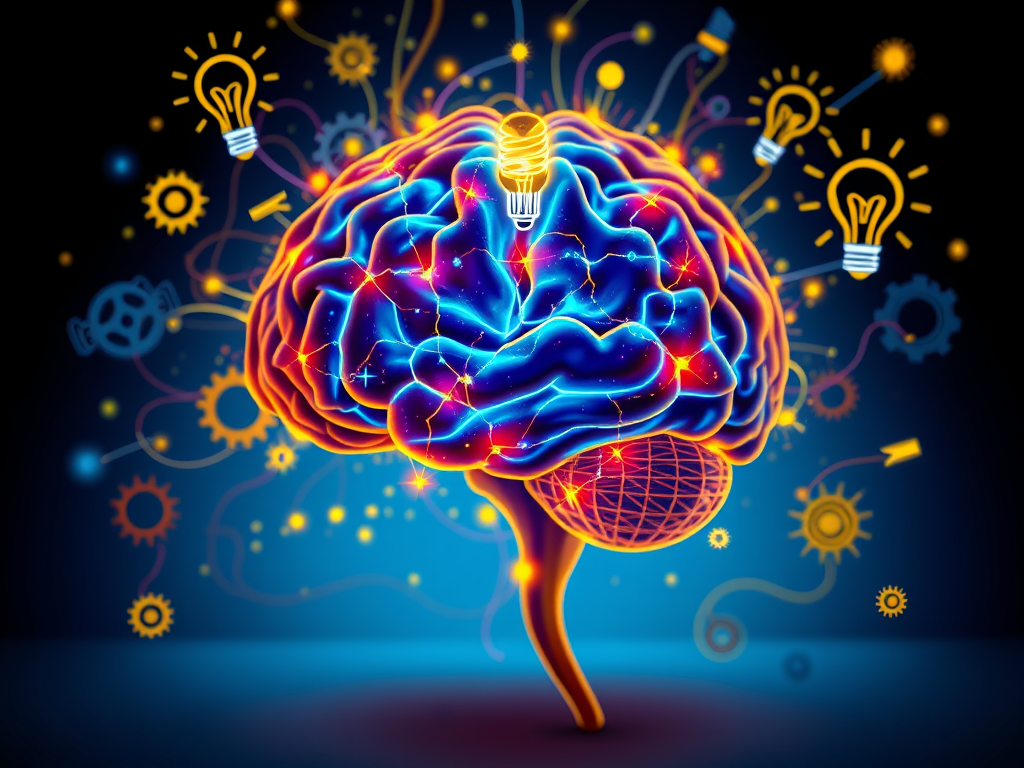
The pursuit of unbounded creativity begins with understanding the biological foundations that underlie moments of sudden insight and sustained innovation. In “The Neuroscience of Inspiration: 10 Exercises to Wire Your Brain for Unbounded Creativity,” we bridge cutting-edge research in brain science with practical techniques to rewire neural circuits for peak creative performance. From the interplay of large-scale brain networks to the chemical drivers of motivation and flow, this pillar post will guide you through the essential knowledge and actionable strategies to ignite and sustain your creative spark.
The Neuroscience of Inspiration: Key Concepts and Brain Pathways
Before diving into actionable exercises, it’s essential to grasp how inspiration emerges at the neural level. This section unpacks core definitions, maps the large-scale brain systems fueling creative ideation, and reveals the neurotransmitters that modulate motivation and flow. With this foundation, you’ll appreciate how targeted exercises can harness neuroplasticity to wire your brain for breakthrough thinking.
What Is Inspiration? A Neuroscience Perspective
Inspiration, from a neuroscience standpoint, is the process by which external stimuli or internal reflections trigger a cascade of neural events leading to novel ideas, emotional elevation, and behavioral motivation. Unlike mere motivation, inspiration often involves:
- Spontaneous Insight: Rapid restructuring of existing memories and concepts, commonly referred to as the “aha moment.”
- Emotional Resonance: Activation of limbic regions, which imbues ideas with affective significance.
- Behavioral Drive: Engagement of prefrontal circuits that translate insight into purposeful action.
Research shows that during moments of inspiration, communication between the default mode network (DMN) and executive control network (ECN) increases, allowing internally generated thoughts to be evaluated and refined for real-world application. Understanding these neural signatures of inspiration sets the stage for exercises that can reliably evoke and deepen this state.
Brain Networks That Fuel Creative Ideation
Creative ideation depends on the dynamic interplay of three major large-scale brain systems. By recognizing their roles, you can tailor exercises to engage and strengthen each network, fostering neuroplastic changes that support sustained creativity.
- Default Mode Network (DMN): Involving the medial prefrontal cortex and posterior cingulate, the DMN underlies mind-wandering, autobiographical memory retrieval, and associative thinking—the wellspring of novel ideas.
- Executive Control Network (ECN): Centered on the dorsolateral prefrontal cortex and posterior parietal cortex, the ECN governs working memory, cognitive flexibility, and evaluation of generated ideas.
- Salience Network (SN): Led by the anterior insula and dorsal anterior cingulate cortex, the SN detects relevant internal and external cues, coordinating switches between the DMN and ECN based on task demands.
Effective creative exercises capitalize on this tri-network model—stimulating spontaneous idea generation in the DMN, refining concepts via the ECN, and leveraging the SN to maintain focus during the ideation process.
Neurotransmitters and Chemical Drivers of Motivation and Flow
Beyond structural networks, neurochemistry plays a crucial role in modulating inspiration. Specific neurotransmitters and neuromodulators create the conditions for motivated, focused, and emotionally charged creative work.
- Dopamine: Central to reward processing and reinforcement learning, dopamine surges promote exploratory behavior and drive creative risk-taking.
- Acetylcholine: Enhances attentional focus and sensory processing, supporting the detailed examination of emerging ideas without succumbing to distraction.
- Serotonin: Regulates mood stability and emotional resilience, creating a positive affective backdrop conducive to sustained creative engagement.
- Norepinephrine: Modulates arousal and alertness, balancing the need for both relaxed mind-wandering and sharp analytical thinking.
By designing exercises that naturally boost these chemical drivers—through movement, breathwork, and environmental modulation—you can optimize your brain’s internal milieu for unbounded creativity and harness neuroplasticity to wire these benefits into your daily routine.
Optimizing Your Brain State for Maximum Creativity
Maximizing your creative potential begins with preparing the ideal internal environment. By fueling your brain with targeted nutrients, prioritizing restorative sleep, and designing an inspiring setting, you actively shape your neuroplasticity and cognitive readiness. In this section, we explore how specific power foods, sleep strategies, and environmental triggers work in concert to prime your brain for sustained inspiration and peak performance.
Power Foods and Nutrients to Enhance Neuroplasticity
Nutrition plays a pivotal role in synaptic growth, dendritic branching, and the synthesis of key neurotransmitters. Incorporating the following power foods supports brain health and heightens your capacity for creative insight:
- Omega‑3 Fatty Acids: Found in fatty fish (salmon, mackerel) and flaxseeds, omega‑3s bolster synaptic plasticity and BDNF (brain‑derived neurotrophic factor) levels, essential for learning new creative skills.
- Antioxidant‑Rich Berries: Blueberries, strawberries, and blackberries contain polyphenols that reduce oxidative stress, protecting neural membranes and preserving mental clarity.
- Leafy Greens and Cruciferous Vegetables: Spinach, kale, and broccoli provide folate and vitamin K—nutrients linked to improved memory retention and executive function during ideation.
- Nuts and Seeds: Walnuts and pumpkin seeds deliver magnesium and zinc, co‑factors in neurotransmitter synthesis (e.g., dopamine, serotonin) that regulate mood and motivation.
- Turmeric and Curcumin: Curcumin’s anti‑inflammatory properties enhance cerebral blood flow and support neurogenesis, laying the groundwork for novel idea formation.
For optimal results, aim to assemble a “creative plate” that blends these ingredients. For example, a spinach‑berry smoothie with ground flaxseed and a sprinkle of turmeric can be a powerful pre‑ideation ritual. Consistency is key—regularly nourishing your brain accelerates neuroplastic adaptations, wiring new circuits for long‑term creative agility.
Restorative Sleep, Memory Consolidation, and Creative Insight
Quality sleep is more than downtime; it’s an active phase where the brain consolidates memories, prunes irrelevant connections, and rehearses problem‑solving pathways. To harness sleep for unbounded creativity:
- Prioritize Slow‑Wave Sleep (SWS): Deep sleep stages facilitate the transfer of short‑term memories to long‑term storage, reinforcing neural patterns you’ve practiced during the day.
- Leverage REM Sleep for Insight: During rapid eye movement (REM), the brain engages in associative processing, often leading to spontaneous “aha moments.” Allowing sufficient REM cycles increases the likelihood of creative breakthroughs.
- Maintain Consistent Sleep Schedules: Regular bedtimes and wake‑times optimize circadian rhythms, ensuring predictable cycles of SWS and REM for robust memory consolidation.
- Implement Pre‑Sleep Rituals: Activities such as journaling ideas, gentle stretching, or listening to binaural beats can cue your brain to enter sleep with creative problem statements at the forefront, boosting dream‑state processing.
Research indicates that participants who nap after learning complex tasks perform better on creative problem‑solving tests than those who remain awake. By integrating strategic naps (20–30 minutes of SWS) and ensuring 7–9 hours of nightly sleep, you solidify the neural groundwork for next‑day innovation.
Environmental Triggers That Prime Your Brain for Inspiration
Your physical and sensory environment strongly influences attention networks and emotional states. Curating spaces that stimulate creativity can catalyze the salience network, enabling smooth transitions between spontaneous ideation and focused evaluation.
- Natural Light and Biophilic Elements: Sunlight regulates dopamine release and circadian rhythms, while plants and natural textures reduce cortisol, fostering a relaxed yet alert mindset.
- Ambient Sounds and Music: Soft instrumental tracks or curated nature soundscapes can elevate mood and lower distractions. Aim for music at 60–80 BPM to align with alpha brainwave frequencies associated with relaxed focus.
- Color Psychology: Cool hues like blue and green promote calm concentration, whereas pops of warm colors (orange, yellow) can invigorate associative thinking. Balance is key—use accent colors to stimulate without overstimulating.
- Dedicated “Inspiration Zones”: Create a specific corner or room reserved for creative work—equipped with whiteboards, sketchpads, or tactile objects. The brain learns to associate the space with ideation, triggering a conditioned state of flow upon entry.
- Minimalist Decluttering: Reducing visual noise prevents executive control overload, allowing the default mode network to generate ideas unimpeded by unnecessary stimuli.
By intentionally designing your workspace to incorporate these triggers, you consistently cue the neural circuits of inspiration. Over time, these environmental priming strategies become embedded in your neural architecture—your brain learns that when certain conditions are met, it’s time to generate and refine creative ideas.
4 Foundational Exercises to Kickstart Your Brain for Inspiration
Building on core neuroscience principles, these foundational exercises are designed to ignite neuroplasticity and establish the neural groundwork for unbounded creativity. Each exercise targets specific brain mechanisms—ranging from visualization and movement to writing and sensory modulation—so you can wire your brain for inspiration from day one.
Exercise 1: Mindful Visualization for Neural Priming
Underlying Neural Mechanisms
Mindful visualization engages the default mode network (DMN), enhancing associative thinking by activating medial prefrontal and posterior cingulate regions. Simultaneously, deliberate attention recruits the executive control network (ECN), strengthening connectivity between ideation and evaluation circuits. Repeated visualization increases synaptic efficacy through long‑term potentiation, laying the foundation for creative insight.
Step‑By‑Step Practice Guide
- Find a Quiet Space: Sit comfortably with minimal distractions.
- Set a Creative Intent: Choose a problem or theme (e.g., “Design a new product feature”).
- Deep Breathing: Inhale for 4 seconds, exhale for 6, repeating for 1 minute to calm the salience network.
- Visualize in Detail: Close your eyes and mentally construct vivid scenes related to your intent—colors, textures, sounds.
- Hold and Explore: Sustain each image for 20–30 seconds, noticing emerging associations or novel ideas.
- Record Insights: Open your eyes and jot down any spontaneous thoughts or sketches immediately.
Exercise 2: Body‑Mind Movement to Activate Creativity
Brain Regions Engaged
Dynamic movement—such as walking, gentle yoga, or tai chi—stimulates the cerebellum and basal ganglia, which support motor planning and implicit learning. Meanwhile, increased cerebral blood flow enhances prefrontal cortex activity, promoting flexible thinking. This whole‑brain activation primes both the DMN and ECN for creative ideation.
Implementation Steps
- Choose a Rhythmic Activity: Opt for walking, gentle stretching, or coordinated movements.
- Synchronize Breath and Motion: Inhale during expansion, exhale during contraction to regulate arousal via the vagus nerve.
- Incorporate Creative Prompts: As you move, silently pose questions (e.g., “What if we combined X and Y?”).
- Alternate Intensity: Cycle between 2 minutes of moderate tempo and 1 minute of free-form movement to engage different neural circuits.
- Conclude with Reflection: Pause, take three deep breaths, then document any novel ideas or emotional shifts.
Exercise 3: Freewriting to Bypass Cognitive Blocks
Impact on Neural Pathways
Freewriting—unstructured, timed writing—reduces prefrontal inhibition, allowing spontaneous thoughts from the DMN to flow onto the page. This process weakens overactive evaluation circuits and strengthens white‑matter pathways between language and associative regions, fostering the emergence of unconventional ideas.
Practical Tips
- Set a Timer: Allocate 10–15 minutes for uninterrupted writing.
- Choose a Prompt: Use open‑ended triggers like “Today I wonder why…” or “Imagine a world where….”
- Ignore Grammar and Logic: Focus on speed and volume to bypass the inner critic.
- Review and Highlight: After writing, pause, then mark phrases or concepts that resonate.
- Extract Actionable Ideas: Convert highlighted segments into bullet points for further exploration.
Exercise 4: Sensory Deprivation for Heightened Ideation
Neuroscience of Sensory Modulation
Reducing external stimuli via sensory deprivation (e.g., blindfolds or noise‑canceling headphones) shifts the salience network’s filtering threshold, amplifying internally generated signals. This heightened internal focus bolsters DMN activity and can trigger insight by allowing latent associations to surface without competition from external inputs.
How to Practice Safely
- Select a Comfortable Setting: Ensure a safe, seated or reclined position.
- Use Reliable Equipment: Employ light-blocking eye masks and high-quality noise dampeners.
- Set a Time Limit: Begin with 5–10 minutes, gradually increasing to 20 minutes as tolerance builds.
- Focus Inward: Direct attention to breathing or internal questions (e.g., “What new angle can I explore?”).
- Journal Immediately After: Upon removing masks/headphones, write down any emergent ideas or insights without delay.
By integrating these four foundational exercises into your daily routine, you actively wire your brain for inspiration, leveraging the neuroscience of inspiration to cultivate unbounded creativity. Consistency and mindful practice accelerate neuroplastic adaptations, ensuring that your brain remains primed to generate, evaluate, and act upon innovative ideas.
3 Intermediate Neuroplasticity Techniques to Deepen Creative Wiring
After establishing foundational inspiration exercises, it’s time to deepen your brain’s creative circuitry with targeted neuroplasticity techniques. These intermediate drills leverage cross‑modal integration, brainwave entrainment, and spatial memory to strengthen connections between disparate neural regions. By systematically practicing these methods, you’ll accelerate long‑term potentiation, enhance flow states, and organize ideas with precision.
Exercise 5: Cross‑Modal Association Drills
Neural Basis of Cross‑Connectivity
Cross‑modal association engages brain regions that integrate inputs from different sensory modalities—such as the angular gyrus and superior temporal sulcus—to form novel links between sight, sound, touch, and language. Strengthening these multisensory pathways enhances the brain’s ability to recombine disparate concepts, a core process in creative ideation. Research shows that deliberate cross‑modal tasks increase synaptic density in associative cortices, boosting neuroplastic capacity for innovative thinking.
Drill Instructions
- Select Two Modalities: Pair visual stimuli (e.g., abstract art) with auditory cues (e.g., instrumental music).
- Observe and Listen: Spend 2 minutes silently examining the artwork while noting emotional or conceptual themes.
- Describe Sensory Overlap: Write a 3‑sentence paragraph linking colors, shapes, or textures to musical elements like rhythm or melody.
- Introduce a Third Sense: Incorporate tactile input (e.g., handling clay) and map its texture to visual or auditory features.
- Iterate Rapidly: Cycle through three different modality pairings in 15‑minute sessions to broaden associative networks.
- Review Insights: Highlight any surprising metaphors or ideas that emerged and store them in a creative journal.
Exercise 6: Binaural Beats for Focused Flow States
Effect on Brainwave Patterns
Binaural beats subtly influence neural oscillations by presenting two tones of slightly different frequencies—one to each ear—eliciting a perceived beat at the frequency difference. Studies indicate that theta (4–7 Hz) and alpha (8–12 Hz) entrainment supports meditation, relaxed focus, and creative flow by enhancing coherence across frontal and parietal regions. Regular exposure can improve sustained attention and facilitate the effortless emergence of ideas.
Listening Protocol
- Choose a Target Frequency: For creative flow, select theta (6 Hz) for associative thinking or low alpha (10 Hz) for relaxed concentration.
- Use Quality Headphones: Ensure accurate delivery of distinct tones to each ear.
- Session Duration: Listen for 20–30 minutes during ideation or brainstorming blocks.
- Combine With Light Tasks: Pair beats with sketching, freewriting, or mind‑mapping to catalyze emergent ideas.
- Monitor Your State: Keep a quick log of mood, focus level, and idea quality before and after sessions.
- Adjust Frequency Over Time: Experiment with neighboring frequencies (5–7 Hz or 9–11 Hz) to find your optimal entrainment zone.
Exercise 7: Memory Palace Method for Idea Organization
Hippocampal Engagement Explained
The Memory Palace, or method of loci, leverages the hippocampus and parahippocampal gyrus—key areas for spatial navigation and episodic memory—to encode abstract information as vivid spatial–visual representations. By placing ideas within a familiar mental environment, you create durable memory traces and facilitate rapid retrieval of complex concept clusters, ultimately supporting structured creative problem solving.
Step‑By‑Step Construction
- Choose a Familiar Location: Visualize a real place you know well (home, workplace).
- Define Distinct Loci: Identify 5–7 specific landmarks (e.g., front door, kitchen island).
- Assign Ideas to Loci: For each creative concept or brainstormed bullet, imagine placing a symbolic object at one landmark.
- Enhance Vividness: Enrich each scene with colors, textures, and emotional significance to strengthen encoding.
- Practice Mental Walk‑Throughs: Spend 5 minutes daily “walking” through your palace, recalling each object and its associated idea.
- Update and Expand: As new insights emerge, append them to existing loci or create a secondary palace to avoid cognitive overload.
By integrating these three intermediate neuroplasticity techniques—cross‑modal association, binaural beat entrainment, and the Memory Palace method—you’ll fortify the neural scaffolding that underpins creativity. Consistent practice not only deepens synaptic connections across critical brain networks but also equips you with versatile tools to access and organize inspiration on demand, paving the way for advanced neurohacks in the next section.
3 Advanced Neurohacks for Unbounded Creative Flow
Once foundational habits and intermediate techniques are in place, you can unlock even deeper levels of creative potential using evidence-based, advanced neurohacks. These methods harness direct modulation of neural activity, lucid dreaming states, and real-time brain feedback to amplify creative output. Each technique is grounded in peer-reviewed neuroscience and offers powerful ways to optimize cognition, enhance idea generation, and access breakthrough insight with greater control.
Exercise 8: Transcranial Stimulation Strategies
Science Behind tDCS and tACS
Transcranial electrical stimulation methods—such as transcranial direct current stimulation (tDCS) and transcranial alternating current stimulation (tACS)—modulate cortical excitability through low-voltage electrical currents applied to targeted brain areas. Studies have shown that applying tDCS to the dorsolateral prefrontal cortex (DLPFC) or anterior temporal lobe can enhance divergent thinking, problem-solving, and cognitive flexibility—key elements of creative ideation.
- tDCS: Delivers a constant, low current (typically 1–2 mA) to increase or decrease neuron firing thresholds, enhancing or inhibiting local activity depending on polarity.
- tACS: Applies oscillating currents to entrain brainwaves at specific frequencies, aligning activity across regions and supporting phase-locked synchrony associated with flow states.
Safe Usage Guidelines
- Device Selection: Use only FDA-compliant or CE-certified consumer-grade devices with clear user instructions.
- Electrode Placement: For creativity, common configurations include anodal stimulation over the left DLPFC (F3 in EEG terms) or right anterior temporal lobe (T8), with the cathode placed contralaterally on the shoulder or supraorbital ridge.
- Session Timing: Limit stimulation to 20–30 minutes per session, no more than once daily.
- Pre- and Post-Evaluation: Track mood, focus, and creative output before and after use to assess individual responsiveness.
- Consultation: For first-time use or underlying health conditions, consult a medical professional.
When used correctly, transcranial stimulation can enhance cortical readiness for ideation tasks and facilitate smoother access to creative flow—but it should always be approached with precision and responsibility.
Exercise 9: Lucid Dreaming for Problem-Solving Breakthroughs
REM Sleep and Creative Insight
Lucid dreaming—a state in which the dreamer becomes aware they are dreaming—occurs during REM sleep, when the brain is highly active and associative networks are most fluid. Research from sleep laboratories shows that lucid dreamers can consciously interact with dream content, solve problems, and even rehearse creative tasks. The prefrontal cortex, typically deactivated during sleep, becomes partially re-engaged during lucidity, enabling metacognition and deliberate thought within dreams.
Induction Techniques
- MILD (Mnemonic Induction of Lucid Dreams): Before sleep, repeat a mental affirmation such as “I will realize I’m dreaming” while visualizing yourself becoming lucid in a dream.
- WBTB (Wake Back to Bed): Wake up after 5–6 hours of sleep, stay awake for 20–30 minutes, then return to bed with the intention to re-enter REM and become lucid.
- Reality Testing: Perform frequent waking checks—such as looking at your hands or clocks—to develop a habit that transfers into dreams.
- Dream Journaling: Write down your dreams immediately upon waking. This enhances recall and increases dream awareness, a prerequisite for lucidity.
Using Lucidity for Creativity
- Pose a creative challenge before sleep (e.g., “How can I design this new system more efficiently?”).
- In the dream, interact with symbols, environments, or characters to explore solutions.
- Upon waking, document any insights or breakthroughs with as much detail as possible.
With practice, lucid dreaming becomes a reliable space for subconscious exploration, enabling high-level creativity beyond the limits of waking logic.
Exercise 10: Neurofeedback for Real-Time Inspiration Tracking
How Neurofeedback Modulates Brain Activity
Neurofeedback uses real-time EEG data to teach individuals how to self-regulate brainwave patterns associated with different mental states. Creative flow typically corresponds with increased alpha and low-beta activity in the frontal and temporal lobes, coupled with reduced high-beta (stress-related) oscillations. By receiving immediate feedback, users can learn to enter and sustain optimal cognitive states for ideation.
Setting Up and Interpreting Feedback
- Choose a Reputable System: Use validated EEG headsets with clinician-approved software or advanced consumer platforms offering real-time tracking and training.
- Calibrate Baseline: Run baseline tests during rest, light tasks, and known creative states to identify your personal brainwave signatures.
- Select Creativity Protocols: Train toward alpha (8–12 Hz) increases and beta (15–18 Hz) moderation in frontal and parietal regions.
- Track Metrics: Monitor focus levels, error rates, and mood fluctuations across sessions to quantify improvements.
- Pair With Creative Work: Use neurofeedback immediately before or during light ideation tasks (e.g., sketching, brainstorming) to reinforce neural patterns of insight.
Over time, neurofeedback reinforces the ability to enter a “creative zone” on command—translating transient flow states into reproducible, trainable mental conditions.
These advanced neurohacks tap directly into the brain’s architecture, enabling you to sculpt your internal landscape for sustained, high-performance creativity. When integrated into a structured practice regimen, they serve as powerful accelerators for breakthrough thinking and inspired problem-solving.
Integrating and Sustaining Inspired Creativity Daily
Achieving unbounded creativity is not solely about peak moments—it’s about building a sustainable system that supports daily inspiration. This final section focuses on translating neural growth into enduring creative habits. You’ll learn how to track cognitive progress using brain-based indicators, reinforce neuroplastic gains through structured routines, and expand your creative momentum into collaborative contexts.
Tracking Progress with Brain‑Based Metrics
To sustain creativity, it’s essential to observe how your brain responds to different exercises and environments. By monitoring cognitive and neurophysiological markers over time, you can make informed adjustments that optimize your performance and maintain creative momentum.
- Subjective Creative Output: Track the number of novel ideas, solutions, or original works produced daily or weekly. Use journaling tools or digital logs to detect patterns over time.
- Cognitive Flexibility Tests: Use online platforms that assess divergent thinking, category generation, or metaphor construction. Repeat these tests monthly to gauge gains in idea fluidity and originality.
- Flow State Frequency: Record how often you experience deep engagement during creative work. Note onset cues, duration, and post-session clarity to fine-tune conditions that trigger flow.
- Mood and Motivation Tracking: Use simple 1–10 scales to assess emotional tone and drive at key times (e.g., morning, post-exercise, after ideation). This data helps identify nutritional, sleep, or environmental factors influencing your inspiration state.
- Wearable Metrics (Optional): Devices like EEG headbands or HRV monitors can provide real-time indicators of focus, stress, and relaxation. While optional, they offer valuable biofeedback for those seeking detailed optimization.
By combining qualitative reflection with quantitative metrics, you gain a multi-dimensional view of your creative brain—and a roadmap for continuous growth.
Building Habit Loops to Reinforce Neuroplastic Change
Neuroplasticity is strengthened by repetition. To ensure that neural pathways forged through visualization, movement, and other exercises become lasting, integrate them into consistent daily routines. Habit loops—consisting of cue, behavior, and reward—anchor these exercises into your lifestyle.
- Identify Consistent Cues: Link creative exercises to existing routines. For example, use the end of your morning coffee as a cue for 10 minutes of freewriting or visualization.
- Standardize Timing: Reserve fixed time blocks (e.g., 8:30–9:00 a.m.) to establish predictable rhythms for the brain’s executive and default mode networks to engage productively.
- Gamify Progress: Use calendars or habit-tracking apps to maintain streaks, visualize consistency, and celebrate milestones in your creative practice.
- Integrate Reflection as Reward: End each creative block with a brief review of your ideas or emotional state. This reinforces neural association between effort and insight, increasing the likelihood of repetition.
- Stack Micro-Exercises: Layer multiple short exercises (e.g., 3 minutes of movement, 2 minutes of mindful breathing, 5 minutes of ideation) to create a compact but powerful neural training session.
Embedding creativity into your identity—through routine and ritual—makes inspiration less dependent on external motivation and more a function of internal conditioning.
Scaling Exercises for Collaborative Innovation
While many creative practices begin as solo endeavors, the ability to collaborate is essential in real-world innovation. Extending your personal neural strategies into team settings can multiply impact and lead to more robust, diverse idea generation.
- Use Shared Visualization: Lead short group visualizations before brainstorms. Prompt the team with a collective question (e.g., “What would the ideal user experience feel like?”) and invite brief silent reflection. This aligns individual default mode networks before ideation begins.
- Facilitate Cross-Modal Exercises: Introduce multisensory stimuli—such as themed music or tactile objects—during team meetings. Encourage analogical thinking by asking participants to draw or map concepts non-verbally before verbal discussion.
- Establish Group Habits: Create recurring rituals (e.g., “Freewriting Fridays” or “Walking Meetings”) that integrate foundational creativity practices into the group culture.
- Encourage Neurodiverse Contributions: Invite different cognitive styles—visual, auditory, kinesthetic—into the ideation process. Recognizing and validating varied creative approaches ensures richer, more resilient outcomes.
- Debrief with Cognitive Framing: After collaborative sessions, reflect not only on outcomes but also on thinking patterns used (e.g., “Which moments felt most divergent?”). This metacognitive review improves collective awareness of how creativity arises.
By scaling neuroplastic creativity techniques from the individual to the group level, you contribute to innovation ecosystems where inspiration becomes a shared and repeatable process.
Integrating these systems of tracking, habit formation, and collaborative extension ensures that your inspired creativity is not just a fleeting experience—but a durable, expanding capability grounded in neuroscience and reinforced through daily practice.
Discover more from Alchem Learning
Subscribe to get the latest posts sent to your email.