In a world full of distractions and fast-paced demands, the gap between our daily routines and our long-term life goals can feel like a chasm. Most people set ambitious resolutions or five-year visions, only to find themselves off-track just weeks or months later. The solution isn’t more willpower—it’s building a system. A well-designed weekly planning system that aligns your habits with your deepest values and future goals can create consistency, focus, and progress without overwhelm. This guide will walk you through exactly how to create a powerful weekly planning framework that keeps your actions grounded in intention and steadily moves you toward your long-term aspirations.
Why a Weekly Planning System Is Crucial for Achieving Long‑Term Life Goals
Weekly planning is more than a productivity hack—it’s a strategic tool for life design. By breaking down long-term goals into weekly rhythms, you create a structured but flexible path toward meaningful achievements. The magic lies in linking your daily and weekly habits to your larger vision, ensuring that your routine reflects your priorities—not just your to-do list. In this section, we’ll explore what a weekly planning system truly is, how it connects to habit alignment, and why it’s the missing link between where you are now and where you want to be.
Defining a Weekly Planning System
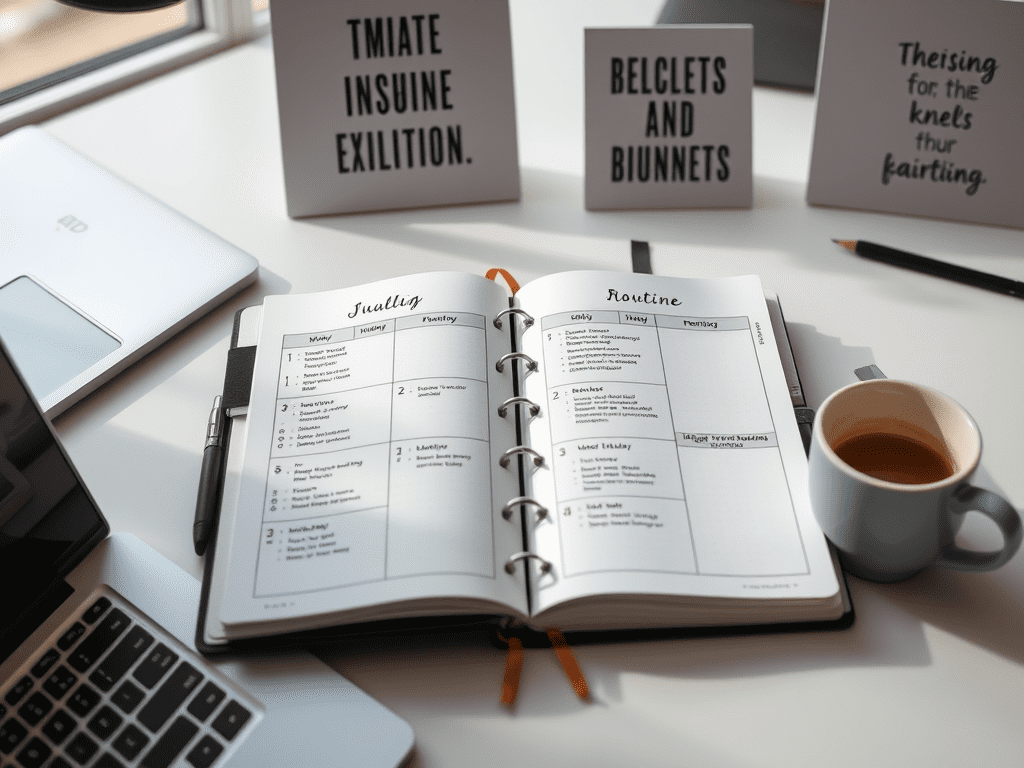
A weekly planning system is a repeatable process where you intentionally map out your week in advance—usually on a Sunday or Monday—by prioritizing tasks, allocating time for recurring activities, and aligning each action with your broader life goals. It’s not just a calendar exercise; it’s a mental reset and alignment ritual. Done well, it becomes the engine that drives long-term progress.
Core components of a weekly planning system include:
- Weekly Review: Reflecting on the past week’s wins, challenges, and insights.
- Goal Prioritization: Identifying top priorities that move your key goals forward.
- Habit Scheduling: Allocating time blocks for recurring habits and routines.
- Task Planning: Organizing and sequencing actionable tasks for each day.
- Flex Time: Leaving space for unplanned tasks, recovery, or creative flow.
The key is not to fill your week to the brim but to create a rhythm that is purposeful, realistic, and sustainable.
Benefits of Habit Alignment with Vision
One of the biggest reasons people fail to reach their long-term goals is misalignment between daily behaviors and aspirational outcomes. A weekly planning system bridges that gap by creating a consistent space to reconnect with your vision and build micro-aligned actions into your routine.
Enhanced Focus and Productivity
When you pre-plan your week around long-term goals, you drastically reduce decision fatigue. You wake up knowing exactly what to focus on. This intentionality not only boosts daily productivity but also ensures you’re not just busy—you’re being effective.
Some focus-enhancing benefits of weekly planning include:
- Minimizing reactive task-switching
- Reducing procrastination through clarity
- Creating momentum with small, repeatable wins
Over time, these improvements compound and help you stay locked in on the right path, even when distractions arise.
Consistent Momentum Toward Goals
Goals don’t fail because they’re too big—they fail because we stop showing up for them consistently. Weekly planning combats this by turning vague aspirations into concrete weekly actions. Each week becomes a checkpoint, allowing you to assess, adapt, and keep moving forward—no matter how fast or slow.
Here’s how momentum builds through weekly habit alignment:
- Every week offers a reset, preventing derailment after setbacks.
- Habits become easier to track, measure, and refine.
- Progress feels visible and motivating, even if it’s incremental.
This steady rhythm of reflection and forward planning creates long-term traction—turning habits into systems and systems into outcomes.
Clarifying and Prioritizing Your Long‑Term Life Goals
Before you can build a weekly system that aligns your habits with your long-term vision, you must first clarify what that vision is. Vague goals lead to vague plans—and vague plans rarely produce meaningful progress. This section helps you translate your life ambitions into well-defined, prioritized goals that your weekly routine can support. By creating a clear vision, applying proven goal-setting frameworks, and organizing your objectives across key life domains, you lay the foundation for a planning system that keeps you grounded and focused.
Crafting a Compelling Vision Statement
Your vision statement is a guiding compass. It captures the essence of the life you want to live across different time horizons—1 year, 5 years, or even decades. This isn’t just about career goals or financial milestones; it’s about the kind of person you want to become, the values you want to embody, and the legacy you aim to build.
To craft a meaningful vision statement:
- Use present tense: Write it as if it’s already true, reinforcing belief and motivation.
- Make it holistic: Include health, relationships, purpose, learning, and lifestyle.
- Keep it vivid but succinct: Aim for clarity and emotional resonance, not fluff.
Example: “I am a healthy, focused, and compassionate leader who inspires change through meaningful work, nurtures deep family bonds, and continues growing spiritually and intellectually every day.”
This level of clarity makes it easier to reverse-engineer daily and weekly habits that support the vision.
Applying SMART Criteria to Life Goals
Vague goals like “get fit,” “be successful,” or “travel more” are difficult to track and act upon. The SMART goal framework brings structure and accountability by ensuring each goal is:
- Specific: Clear and well-defined
- Measurable: Quantifiable or trackable
- Achievable: Realistic based on current resources and constraints
- Relevant: Connected to your larger vision and values
- Time-Bound: Attached to a timeframe or deadline
Applying SMART criteria turns a vague desire like “write more” into “complete a 60,000-word non-fiction book draft by December 31, writing 1,500 words every Monday, Wednesday, and Friday.” This transformation is critical for weekly planning, as it provides measurable checkpoints and actionable steps.
Start with three to five core goals across different areas of life and rewrite them using the SMART structure. This turns your vision into a working plan that can be decomposed into weekly priorities.
Identifying Core Life Domains for Balanced Growth
Many people focus narrowly on career or finances and neglect other essential areas that contribute to fulfillment and resilience. A well-rounded planning system accounts for growth across multiple domains so that progress in one area doesn’t come at the expense of another.
Common life domains include:
- Health: Physical fitness, sleep, nutrition, mental well-being
- Relationships: Family, romantic partners, friends, community
- Career & Work: Skills, impact, performance, long-term trajectory
- Personal Growth: Learning, self-awareness, spirituality, hobbies
- Finance: Budgeting, saving, investing, reducing debt
- Environment: Living space, digital hygiene, organization
For each domain, ask yourself:
- What does success look like here 1 year from now?
- What’s currently missing or out of balance?
- What weekly habits would support long-term success in this area?
This analysis will reveal where you may be overextended, underinvested, or unclear. From there, you can refine your weekly planning to reflect a balanced pursuit of long-term goals—not just professional or urgent ones.
Ultimately, a weekly planning system only works if it reflects what truly matters to you. By grounding it in a clear vision, structured goals, and balanced priorities, you ensure that your habits serve your purpose—not just your schedule.
Step‑By‑Step Framework for Designing Your Weekly Planning System
With a clear vision and prioritized long-term goals in place, the next step is translating them into an actionable weekly planning system. This is where strategy meets structure. An effective weekly system bridges ambition and execution by creating repeatable routines that drive meaningful action. This section outlines a step-by-step process for designing a weekly planning structure that balances goal-oriented priorities, day-to-day responsibilities, and flexibility. You’ll learn how to choose the right tools, master time-blocking, and build in space for both habits and unpredictability—so your system becomes sustainable, not rigid.
Selecting the Right Tools and Templates
The tools you choose will determine how smoothly your weekly planning system runs. There’s no one-size-fits-all solution—what matters most is consistency and clarity. Whether you prefer digital planners, paper journals, or hybrid setups, your system should be easy to access, simple to update, and aligned with your workflow.
Consider the following categories when selecting your planning tools:
- Digital Planners: Tools like Notion, Todoist, Trello, or Google Calendar offer flexibility, integration with devices, and reminders.
- Paper Planners: Physical planners or bullet journals provide tactile focus, reduce screen time, and encourage reflection.
- Hybrid Systems: Combining digital tools for scheduling and paper for mindset journaling or habit tracking.
Look for or create templates that include:
- A weekly overview section
- Habit tracker
- Priority list (weekly “big 3”)
- Daily to-dos and calendar blocks
- Weekly review prompts
Choosing the right format sets the stage for a planning process that feels natural—and works with your lifestyle, not against it.
Time‑Blocking Techniques for Habit Integration
Time-blocking is one of the most powerful techniques for turning your weekly plan into a reality. It involves assigning specific chunks of time on your calendar to distinct tasks, goals, or habits—rather than leaving your schedule open to chance or reactive work.
To begin time-blocking effectively:
- Start with fixed obligations (e.g., work hours, meetings, appointments).
- Block out non-negotiables like meals, sleep, and commute time.
- Assign focused blocks to key goals or deep work (e.g., writing, learning, strategic planning).
- Schedule routine habits like workouts, journaling, or reading.
- Leave buffers between blocks to avoid spillover or burnout.
Consistency is more important than perfection. If something doesn’t go to plan, review and adjust rather than abandon the system.
Morning Ritual Planning
A purposeful morning sets the tone for a focused day. Designing a repeatable morning routine ensures your day begins with intention, not reaction. Your weekly plan should include blocks for your most essential morning habits—those that directly connect with your long-term goals.
Examples of aligned morning habits:
- Mindful meditation for stress management
- Journaling for mental clarity and gratitude
- Exercise for energy and health
- Reading or learning to support growth
- Priority review to clarify your focus
Even 30–45 minutes of structured morning time can dramatically improve focus, motivation, and alignment throughout your week.
Evening Reflection and Adjustment
Equally important is the practice of closing each day with a brief evening reflection. This small habit keeps your plan grounded in reality, allowing for continuous improvement and micro-adjustments.
Elements of a simple evening reflection:
- Review what was accomplished vs. what was planned
- Identify any blockers or recurring time leaks
- Make quick adjustments to the next day’s plan if needed
- Log one win and one lesson learned
Just 5–10 minutes of this process per evening reinforces self-awareness and gives your weekly system a feedback loop—making it more accurate and personalized over time.
Building Flexibility into Your Weekly Layout
A common reason weekly plans fail is that they’re too rigid. Life is dynamic—unexpected events, emotional fluctuations, and shifting priorities are normal. To build a system that lasts, it must accommodate flexibility without losing structure.
Here’s how to create built-in flexibility:
- Use Time Buffers: Leave 15–30 minute windows between time blocks to absorb overruns or breaks.
- Theme Your Days: Assign focus areas to days (e.g., “Admin Monday,” “Deep Work Wednesday”) rather than scheduling every task rigidly.
- Plan a ‘Catch-Up’ Block: Reserve a block mid-week and one at week’s end to reschedule or finish uncompleted tasks.
- Leave White Space: Don’t overfill your week. Plan 60–80% of your time and leave room for life to happen.
A flexible planning system respects your humanity—it allows for consistency, not perfection. Over time, it becomes a sustainable rhythm that evolves with you and supports your long-term growth.
Proven Habit‑Building Strategies to Embed in Your Weekly Plan
Weekly planning is only effective when the habits within it are well-designed and sustainable. While setting goals and mapping out priorities give your week direction, it’s the habits you repeatedly execute that determine long-term success. In this section, we’ll explore evidence-based strategies for habit formation and integration—so your routines don’t just look good on paper, but actually stick. You’ll learn how to build habits that align with your life goals, differentiate between keystone and micro-habits, and use psychological principles to reinforce consistency week after week.
The Science of Habit Formation
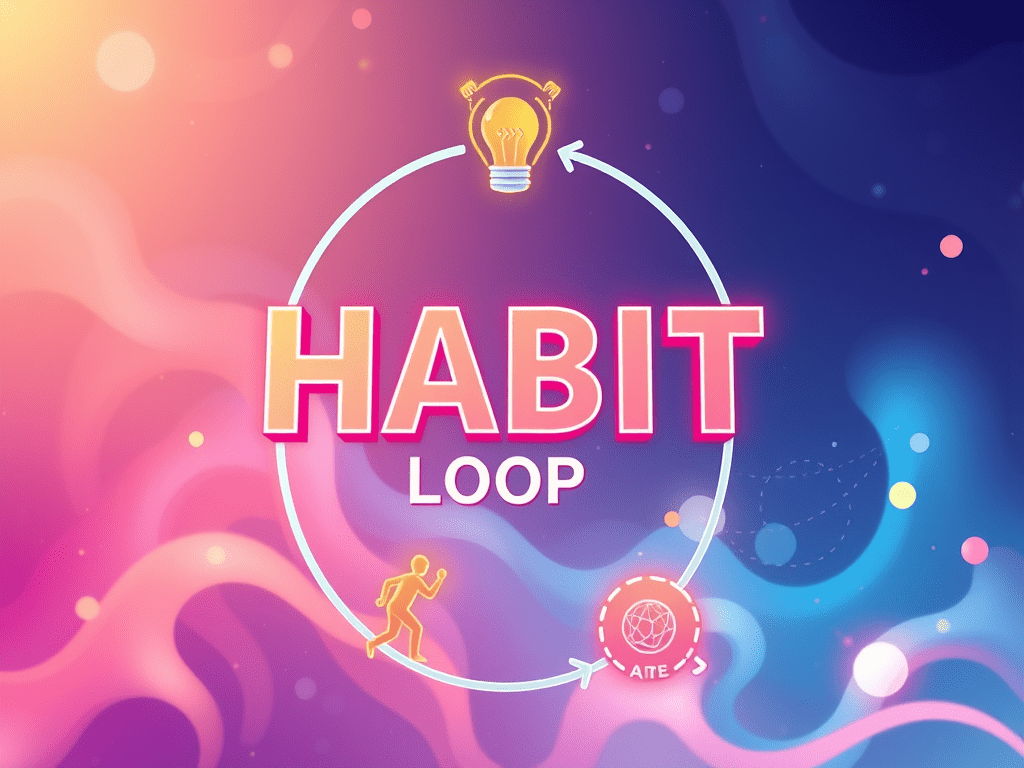
Understanding how habits work is the first step to making them work for you. At a neurological level, habits are formed through a loop: cue → routine → reward. When this loop is repeated enough, the behavior becomes automatic, freeing up mental bandwidth and reducing resistance to action.
Here are the key stages of habit formation:
- Cue: A trigger that tells your brain to start the behavior (e.g., waking up, finishing lunch, a time of day).
- Routine: The action or behavior itself (e.g., writing, exercising, meditating).
- Reward: The benefit you receive (e.g., a sense of accomplishment, energy boost, stress relief).
By intentionally designing these loops and embedding them in your weekly plan, you make new habits easier to start and more enjoyable to maintain. For example, pairing a morning walk with your favorite podcast adds a reward element that increases the likelihood of repetition.
It’s also essential to repeat habits at a consistent time and in a consistent environment. This creates a predictable cue that strengthens the behavior loop and makes habits feel more automatic over time.
Micro‑Habits vs. Keystone Habits
Not all habits are created equal. Some are small but powerful triggers for behavior change, while others influence multiple areas of life through ripple effects. Understanding the difference between micro-habits and keystone habits allows you to make better choices about what to prioritize in your weekly system.
Micro-Habits: These are tiny, low-friction actions that are easy to start and maintain. Their strength lies in reducing resistance and building momentum.
Examples of micro-habits include:
- Flossing one tooth (to build a flossing habit)
- Writing one sentence (to start a journaling habit)
- Doing one push-up (to initiate a workout)
Micro-habits are especially useful when starting from scratch or overcoming procrastination. Once initiated, they often expand naturally into longer sessions.
Keystone Habits: These are foundational behaviors that influence other habits, mindset, or performance. They tend to create a positive chain reaction across multiple life domains.
Examples of keystone habits:
- Regular exercise (improves mood, sleep, discipline)
- Daily planning (increases focus, reduces stress)
- Mindful eating (enhances awareness, supports energy)
When designing your weekly plan, aim to include a combination of both: micro-habits to build momentum, and keystone habits to create meaningful leverage.
Trigger‑Routine‑Reward Loop for Sustainable Change
Once you identify the habits you want to integrate, the next step is designing them for long-term consistency. The most reliable method is to intentionally craft your trigger-routine-reward loop and build it into your weekly flow.
Here’s how to operationalize the loop:
1. Identify a Clear Trigger
The best triggers are either:
- Time-based: “Every day at 7:30 AM…”
- Action-based: “After I pour my morning coffee…”
Make the trigger as specific and unmissable as possible. Anchoring a new habit to an existing one—known as habit stacking—can significantly improve success rates.
2. Define the Routine
The routine should be easy enough to complete consistently, especially in the early weeks. If a habit feels too large or ambiguous, break it down into its smallest actionable unit (i.e., the “2-minute version”).
Examples:
- Instead of “meditate daily,” start with “sit quietly and breathe for 2 minutes.”
- Instead of “run every morning,” begin with “put on running shoes and walk around the block.”
3. Attach a Reward
Reinforce your routine with a meaningful reward. This can be intrinsic (the sense of calm after meditation) or extrinsic (checking it off your habit tracker). Over time, the routine itself becomes rewarding through identity reinforcement: “I’m the kind of person who does this.”
To increase follow-through, build these loops directly into your weekly planning template. Use a habit tracker to visually reinforce progress and include habit reflection prompts during your weekly review.
Incorporating these proven strategies into your weekly planning system ensures that habits don’t just get scheduled—they get lived. And when habits are aligned with long-term goals and reinforced through well-designed loops, your plan transforms from a task list into a lifestyle engine.
Monitoring Progress and Conducting Effective Weekly Reviews
A weekly planning system without regular reflection is just a schedule. To transform it into a growth engine, you need a consistent process for monitoring progress and adjusting course. Weekly reviews are where insight meets improvement—they help you identify what’s working, what’s not, and how to realign your habits with your long-term life goals. In this section, we’ll cover how to track the right performance metrics for habits, structure a weekly review that’s clear and actionable, and use reflection as a tool for both motivation and strategic course correction.
Setting Key Performance Indicators (KPIs) for Habits
Tracking your habits is essential to understand whether your weekly plan is producing real traction. But vague tracking leads to vague results. That’s where personal KPIs—or Key Performance Indicators—come into play. They help you measure progress with clarity and objectivity.
Here’s how to set habit-focused KPIs:
- Choose measurable behaviors: Focus on what you can control (e.g., “completed 4 workouts” vs. “felt healthy”).
- Set weekly targets: Define what success looks like each week (e.g., “write 1,000 words on 3 days” or “meditate 5 mornings”).
- Track consistency: Use percentages to evaluate how often you completed a habit (e.g., “Read 5 of 7 days = 71% adherence”).
Good habit KPIs are specific, repeatable, and relevant to your broader goals. For instance, if your long-term goal is to improve your energy and focus, KPIs might include:
- Average hours of sleep per night
- Number of days with morning exercise
- Minutes of screen-free time before bed
Over time, these small metrics create a data-driven feedback loop—allowing you to refine your weekly plan based on what’s actually moving the needle.
Structuring a High‑Impact Weekly Review
An effective weekly review doesn’t need to be long, but it should be structured and intentional. It’s your opportunity to step back, zoom out, and reconnect with the bigger picture. Done consistently, it transforms your planning system from reactive to reflective.
A well-designed weekly review typically includes five core components:
- 1. Reflect: What went well this week? What felt challenging or off-track?
- 2. Measure: Review your habit tracker and KPIs. What’s trending up or down?
- 3. Reconnect: Revisit your long-term goals or vision statement. Is your plan aligned?
- 4. Refine: Adjust next week’s focus, habits, or time blocks based on this insight.
- 5. Reset: Clear your inbox, tidy your workspace, and mentally close out the week.
Many people find it helpful to schedule their weekly review at the same time each week—typically Sunday evening or Monday morning—so it becomes part of their routine. Use a template or checklist to streamline the process and ensure consistency.
Celebrating Wins and Identifying Obstacles
Without reflection, progress often goes unnoticed. That’s why it’s crucial to celebrate both small wins and major milestones during your review. This reinforces positive behavior and builds intrinsic motivation to stay on track.
Examples of weekly wins worth acknowledging:
- Completed all planned workouts
- Stuck to a consistent morning routine
- Made progress on a creative or professional project
- Handled a challenge with more patience or clarity
At the same time, use the review to identify obstacles. Ask yourself:
- Which habits did I struggle to maintain?
- What external or internal barriers got in the way?
- Was my plan too ambitious or too vague?
This isn’t about judgment—it’s about awareness. Every insight is a data point you can use to design a better week ahead.
Pivoting and Course‑Correcting
The true value of a weekly review lies in the ability to course-correct. Long-term success is never a straight line. Life changes, energy fluctuates, and goals evolve. A weekly check-in gives you the agility to adapt without losing sight of your larger direction.
Common adjustments you might make:
- Rebalancing time across life domains (e.g., shifting focus from work to health)
- Reducing the number of active habits to improve follow-through
- Changing the time or environment for a habit that isn’t sticking
- Reprioritizing a weekly “Big 3” goal based on new opportunities or constraints
Think of your weekly plan like a living document—something to evolve, not just execute. When your system becomes flexible and reflective, it stops being a rigid structure and starts becoming a tool for real-life alignment and growth.
By pairing consistent tracking with intentional reviews, your weekly planning system becomes a feedback-rich environment where small improvements compound into meaningful transformation. This is how habits stay aligned, goals stay relevant, and your actions stay connected to your purpose.
Advanced Tips to Scale and Sustain Your Weekly Planning System
Once your weekly planning system is up and running, the next challenge is maintaining momentum—and eventually, leveling up. Many systems fail not because they’re flawed at the start, but because they don’t evolve with the individual using them. A sustainable planning framework must grow alongside your life, adapting to new goals, shifting priorities, and increasing complexity. In this final section, we’ll explore advanced strategies that help you sustain long-term consistency, tap into support systems, leverage smart tools, and future-proof your plan for life’s inevitable transitions.
Leveraging Accountability Partners and Mastermind Groups
Even the most well-designed system benefits from outside support. Accountability adds a layer of structure and motivation that makes follow-through more likely—especially when internal discipline dips. Whether informal or structured, building accountability into your weekly rhythm reinforces habit alignment and goal tracking.
Here are two effective forms of accountability:
- Accountability Partners: One-on-one relationships where both individuals commit to sharing goals, progress, and weekly check-ins. This could be a friend, colleague, or coach who understands your vision and supports your growth.
- Mastermind Groups: Small, focused groups (usually 3–6 people) who meet regularly to discuss progress, brainstorm solutions, and hold each other to high standards. These are especially powerful for entrepreneurs, creatives, or professionals with ambitious goals.
For maximum impact, integrate accountability into your weekly process:
- Share your “Big 3” goals for the week at the start
- Review progress with your partner or group at week’s end
- Ask for honest feedback and help troubleshooting challenges
This social layer not only reinforces commitment but also prevents tunnel vision and burnout.
Harnessing Digital Automation and Productivity Apps
Technology, when used intentionally, can streamline your weekly planning system without creating distraction. The goal isn’t to replace critical thinking but to reduce friction—automating repetitive steps and keeping your system synchronized across platforms.
Here are a few ways to use automation and productivity tools effectively:
- Calendar Automation: Use recurring events for routines (e.g., “Weekly Review,” “Deep Work Block,” or “Morning Planning”) so they’re never forgotten.
- Habit Trackers: Tools like Habitica, Streaks, or Notion templates let you log habits in real time and visualize streaks to stay motivated.
- Task Management Tools: Apps like Todoist, Things, or TickTick allow you to organize tasks by project, priority, and due date—aligned with your weekly plan.
- Voice Assistants or Reminders: Use smart assistants to trigger reminders for time-blocked habits or end-of-day reflections.
To prevent tech overload:
- Choose tools that integrate well together (e.g., Google Calendar + Todoist)
- Set clear boundaries for when and how to use each app
- Audit your digital tools quarterly to simplify your stack
Digital support can make your system more fluid and adaptive—as long as it complements, rather than complicates, your workflow.
Adapting Your System for Major Life Transitions
No matter how well-designed, your weekly planning system will be tested by change—new jobs, relocations, parenthood, health shifts, or unexpected crises. The key is adaptability. Rather than abandoning your routine when life gets unpredictable, build in the flexibility to scale it up or down.
Here’s how to adjust your system during high-change periods:
- Simplify: Reduce your system to its essential parts—e.g., a daily check-in, one key habit, and a weekly review.
- Reevaluate Priorities: What matters most right now? Your planning system should reflect your current bandwidth and core needs.
- Switch to Low-Tech Modes: In chaotic or emotionally intense times, paper-based systems often offer more clarity and presence.
- Extend Review Frequency: During transitions, you may need to conduct brief daily reviews in addition to weekly ones to stay grounded.
Transitions are not interruptions to planning—they’re catalysts for reflection and realignment. A flexible system allows you to stay in motion, even if your pace changes.
Inspiring Daily Reminders and Motivational Cues
Finally, sustaining your planning practice over the long term means keeping your “why” front and center. When your system starts to feel like a grind—or life gets noisy—it’s easy to disconnect from your deeper goals. Strategic reminders and motivational cues act as anchors to your vision.
Try these methods to stay inspired:
- Daily Mantras or Affirmations: Write or speak phrases that reinforce identity (e.g., “I follow through on what matters,” “Small steps build big outcomes.”)
- Visual Cues: Place your vision statement, goals, or a habit streak tracker somewhere visible—your desk, fridge, or phone lock screen.
- Weekly Planning Rituals: Light a candle, brew tea, or listen to a specific playlist during your Sunday planning session. This creates a positive emotional association.
- Gratitude Journaling: Pair your weekly review with 3–5 gratitude reflections to stay grounded and motivated.
When your system becomes more than just productivity—when it reflects your identity, values, and vision—it becomes intrinsically motivating. That’s the point where it stops feeling like a task and starts becoming a lifestyle.
Scaling and sustaining your weekly planning system is about evolving with intention. By building in accountability, smart tools, adaptability, and inspiration, you ensure that your habits remain aligned and your progress continues—no matter what season of life you’re in.
Discover more from Alchem Learning
Subscribe to get the latest posts sent to your email.