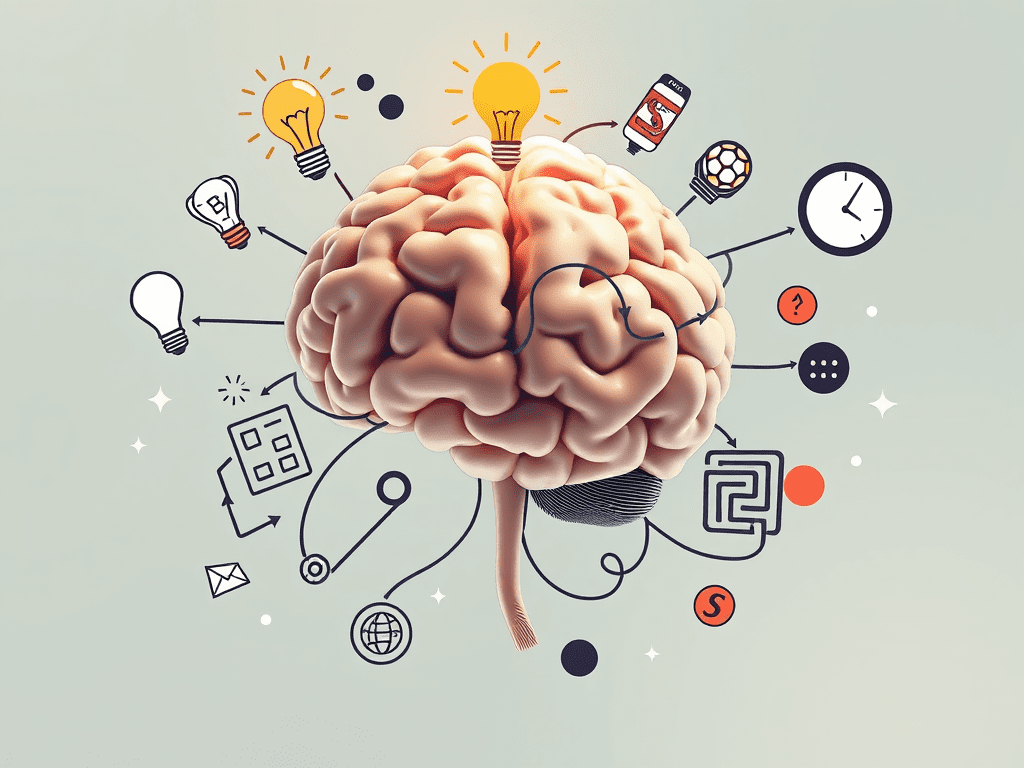
In today’s fast-paced world, maintaining sharp working memory and unwavering focus is more than a convenience—it’s a necessity. Whether you’re juggling complex projects, learning new skills, or striving for peak productivity, your brain’s ability to hold information in mind and concentrate directly impacts your success. This comprehensive guide will lead you “From Overwhelmed to In Control,” equipping you with a proven framework to strengthen your working memory and focus, so you can navigate daily demands with clarity and confidence.
Understanding Working Memory And Focus: The Foundation For Mental Control
Before diving into practical strategies, it’s essential to grasp the core concepts that underpin cognitive performance. In this section, we’ll define working memory and focus, explore how cognitive load and executive function interact, and unveil the role of neuroplasticity in rewiring your brain for better mental control.
What Is Working Memory And How It Affects Performance
Working memory is the cognitive system responsible for temporarily holding and manipulating information. Think of it as your brain’s “scratch pad”—it enables you to remember a phone number long enough to dial it, follow multi-step instructions, or solve problems in real time. Strong working memory capacity correlates with:
- Improved problem-solving abilities
- Faster decision-making under pressure
- Enhanced learning and information retention
Conversely, when working memory is overloaded—due to stress, distractions, or multitasking—performance suffers. You may find yourself forgetting key details, losing your train of thought, or feeling mentally “foggy.” Recognizing this link between working memory and performance is the first step in regaining control.
Defining Focus And Its Role In Productivity
Focus, or sustained attention, is your ability to direct mental effort toward a specific task while ignoring irrelevant stimuli. It’s the driving force behind deep work sessions where you produce your best work. Key characteristics of effective focus include:
- Selective Attention: Filtering out distractions to concentrate on what matters.
- Sustained Attention: Maintaining concentration over extended periods.
- Cognitive Flexibility: Shifting focus seamlessly when priorities change.
Without strong focus, even the most robust working memory can be underutilized. Mastering both elements is critical for peak productivity and mental clarity.
Exploring Cognitive Load And Executive Function Principles
Cognitive load theory explains how the volume of information your brain processes at once affects learning and performance. There are three types of cognitive load:
- Intrinsic Load: The inherent complexity of the material or task.
- Extraneous Load: Unnecessary mental effort caused by poor instruction or distractions.
- Germane Load: The mental resources devoted to processing and understanding information.
Executive functions—such as planning, inhibitory control, and cognitive flexibility—manage these loads by allocating working memory resources efficiently. Strengthening executive function through targeted training reduces extraneous load, optimizes germane load, and prevents mental overload.
The Science Of Neuroplasticity And Brain Health
Neuroplasticity is the brain’s remarkable ability to reorganize itself by forming new neural connections. It lies at the heart of any effort to improve working memory and focus. By engaging in deliberate practice, you can:
- Enhance synaptic efficiency, leading to faster information processing.
- Strengthen neural pathways associated with attention and memory.
- Support long-term retention through repeated activation of relevant circuits.
Supporting neuroplasticity involves more than mental exercises; it also requires lifestyle factors like balanced nutrition, quality sleep, and stress management. Together, these elements create an optimal environment for your brain to adapt, grow, and achieve peak cognitive performance.
The Proven 4‑Step Framework To Strengthen Working Memory And Boost Focus
This proven framework guides you through a systematic process—assessing your starting point, cultivating the right mindset, engaging in targeted training, and optimizing your environment—to supercharge both working memory and sustained attention. Each step builds on the last, ensuring you move from awareness to action and tangible improvement.
Step 1: Assess Your Baseline Working Memory And Focus Levels
Accurate measurement is the cornerstone of any improvement plan. By quantifying your current working memory capacity and attentional control, you create a clear benchmark and uncover specific areas for growth.
Using Standardized Memory Tests And Attention Assessments
- Digit Span Test: Measures how many numerical items you can hold and manipulate. A reliable indicator of working memory span.
- n‑Back Task: Challenges you to identify when a current stimulus matches one from “n” steps earlier, tracking both accuracy and reaction time.
- Continuous Performance Test (CPT): Gauges sustained attention and impulse control by monitoring responses to target stimuli over time.
Interpreting Cognitive Load Metrics For Personalized Strategy
Quantitative data is powerful only when contextualized. Use tools like the NASA Task Load Index (NASA‑TLX) to rate subjective workload across:
- Mental Demand
- Temporal Demand
- Effort
- Frustration
Combining objective test scores with self‑reported load ratings reveals whether memory lapses stem from capacity limits or excessive extraneous load. This insight directs you to either lighten distractions or intensify training.
Step 2: Cultivate A Growth Mindset For Sustained Improvement
Your beliefs about your cognitive abilities profoundly influence your progress. Embracing a growth mindset—viewing memory and focus as trainable skills—lays the psychological foundation for lasting gains.
Deploying Motivational Techniques And Self‑Belief Hacks
- Power Phrasing: Replace “I’m not good at memorizing” with “I’m learning strategies to improve my memory every day.”
- Progress Journaling: Document small wins—extended focus sessions, slight score improvements—to reinforce the notion of incremental advancement.
- Visualization Drills: Mentally rehearse successful focus sessions or flawless recall, priming neural pathways before actual practice.
Step 3: Implement Targeted Memory Training Exercises
With a growth mindset in place, you’re ready for deliberate practice. These exercises are designed to stretch and strengthen working memory capacity while reinforcing neural circuits tied to attention.
Leveraging Mnemonic Devices And Visualization Techniques
- Method of Loci: Map items to well‑known locations—your home, office, or daily route—to improve sequential recall.
- Pegword System: Associate numbers with rhyming “peg” words (one‑bun, two‑shoe) to anchor lists and facts.
- Chunking: Group related elements into meaningful clusters—phone numbers or vocabulary lists—to reduce cognitive load.
Integrating Working Memory Games And Brain Training Apps
- Dual N‑Back Apps: Systematically increase “n” levels to challenge updating and monitoring functions of working memory.
- Sequence Recall Games: Practice repeating patterns of colored lights or sounds to train active maintenance.
- Adaptive Difficulty Platforms: Choose apps that adjust task complexity based on real‑time performance, ensuring you stay in the optimal challenge zone.
Step 4: Design An Environment To Support Laser‑Sharp Focus
Even the best training can falter in a distracting setting. Crafting a workspace and routine that minimize interruptions and signal your brain to engage deeply is essential for translating cognitive gains into real‑world productivity.
Optimizing Workspace Layout And Minimizing Distractions
- Clutter‑Free Surface: Keep only tomorrow’s to‑dos and essential tools on your desk. Clear space equals clear mind.
- Noise Control: Use noise‑cancelling headphones or ambient soundtracks (white noise, nature sounds) to mask disruptive background stimuli.
- Visual Cues: Leverage “focus zones” marked by specific lighting or décor; entering this space becomes a mental cue to concentrate.
Establishing Consistent Routines And Time‑Blocking Rituals
- Fixed Start Ritual: Begin each session with a brief mindfulness or breathing exercise to center attention and lower cognitive load.
- Time‑Blocking: Allocate uninterrupted 25–50 minute intervals for deep work, followed by 5–10 minute breaks—optimally balancing sustained attention and recovery.
- Review & Reset: At day’s end, review performance data (test scores, task completion) and adjust tomorrow’s blocks based on what worked best.
Essential Cognitive Strategies And Exercises For Daily Practice
Building on the proven framework, integrating targeted cognitive strategies and daily exercises is key to strengthening your working memory and sharpening your focus. These actionable techniques—ranging from on‑the‑go memory boosters to deep‑work concentration drills and lifestyle optimizations—ensure you consistently reinforce neural pathways, maintain peak mental clarity, and sustainably elevate cognitive performance.
Rapid Memory Enhancement Techniques You Can Do Anywhere
When you’re on the move or between tasks, quick memory drills can bolster your working memory capacity without requiring specialized tools. Implement these powerful, portable exercises to keep your mind agile and primed for complex tasks.
- Chunking And Hierarchical Clustering
- Break long strings of information—phone numbers, directions, vocabulary—into 3–4 item “chunks.”
- Organize chunks into meaningful hierarchies (e.g., group groceries by category) to reduce cognitive load and improve recall.
- Spaced Repetition Systems (SRS)
- Use a simple notecard app or mental timer to revisit key facts at increasing intervals (1 hour, 1 day, 3 days, 7 days).
- Reinforces germane load by repeatedly activating the same neural circuits, turning fragile memories into durable knowledge.
- Serial Recall Challenges
- Mental practice: list six to eight random words or numbers, then attempt to recite them in order; gradually increase the list length.
- Enhances active maintenance and updating functions of your working memory.
Proven Concentration Techniques For Deep Work Sessions
Deep work demands unwavering attention. These scientifically grounded concentration methods act as “focus anchors,” helping you resist distractions and sustain productivity throughout intensive sessions.
- Pomodoro Technique And Time‑Boxing Methods
- Alternate 25-minute focused intervals with 5-minute breaks; after four cycles, take a 15–20 minute rest.
- Balances sustained attention with recovery, minimizing mental fatigue and maintaining high-quality focus.
- Mindful Breathing And Focused Attention Training
- Begin each deep‑work session with a 2-minute breathing exercise: inhale for 4 seconds, exhale for 6 seconds.
- Anchors your attention on the breath, lowering extraneous cognitive load and enhancing selective attention.
- Single‑Task Rituals
- Create a brief “ritual” to signal your brain: light a candle, play a specific playlist, or adjust lighting.
- Consistent cues condition your neural networks for focused work, strengthening task‑related executive functions over time.
Lifestyle Habits To Nourish Brain Function
Optimal cognitive performance extends beyond mental drills. Foundational lifestyle habits—nutrition, sleep, and stress management—provide the biochemical building blocks for neuroplasticity, ensuring your brain can adapt, recover, and excel.
- Nutrition Strategies To Boost Cognitive Performance
- Prioritize omega‑3 rich foods (salmon, flaxseeds) to support neuronal membrane health and neurotransmitter function.
- Include antioxidant‑dense berries and dark leafy greens to combat oxidative stress and preserve neural integrity.
- Maintain steady blood glucose with complex carbs (whole grains, legumes) to avoid energy dips that impair focus.
- Sleep Optimization And Stress Management Rituals
- Adhere to a consistent sleep schedule—7–9 hours nightly—to facilitate memory consolidation during REM and slow‑wave sleep.
- Incorporate a wind‑down routine (screen curfew, gentle stretching, journaling) to reduce cortisol and prepare your brain for restorative rest.
- Physical Activity For Enhanced Cognition
- Engage in moderate aerobic exercise (30 minutes, 3–5 times weekly) to increase brain‑derived neurotrophic factor (BDNF) levels.
- Integrate short movement breaks (2–3 minutes of stretching or walking) between work blocks to reset attention and stimulate blood flow.
Overcoming Mental Overload: Techniques To Regain Clarity And Control
Mental overload occurs when the demands on your working memory and attention exceed your brain’s capacity, leading to fatigue, errors, and reduced productivity. In this section, you’ll discover actionable strategies to identify cognitive bottlenecks, implement effective digital detox plans, optimize your schedule, and reduce stress—empowering you to clear mental clutter and reclaim control over your focus.
Identifying Internal And External Distraction Triggers
Awareness of what disrupts your concentration is the first step toward overcoming mental overload. Distraction triggers fall into two categories:
- Internal Triggers: Thoughts, worries, and emotional states that hijack your attention. Common examples include anxiety about deadlines, self‑criticism, or mind‑wandering during complex tasks.
- External Triggers: Environmental factors such as noise, interruptions from colleagues, and digital notifications that fragment your focus.
To map your distraction profile:
- Keep a brief “distraction log” for 2–3 days: note each interruption, its source, and its impact on your workflow.
- Rate each trigger on a scale of 1–5 for frequency and severity.
- Analyze patterns to distinguish high‑impact triggers from occasional annoyances.
Armed with this data, you can prioritize mitigation efforts where they will yield the greatest reduction in cognitive load.
Implementing Digital Detox And Distraction Management Plans
Digital distractions are among the most pervasive external triggers. A structured digital detox, combined with notification controls, helps protect your working memory from unnecessary interruptions.
Email Batching And Notification Control
- Scheduled Email Blocks: Designate 2–4 specific windows daily (e.g., 9 AM, 12 PM, 3 PM) for processing email. Outside these times, disable email notifications to prevent constant context switching.
- Priority Filters: Use your email client’s filtering rules to surface only critical messages in your primary inbox, relegating newsletters and non‑urgent updates to secondary folders.
- Notification Triage: For essential apps, enable “Do Not Disturb” modes during deep‑work sessions; allow alerts only from VIP contacts or critical system updates.
Social Media Scheduling And App Usage Tracking
- Time‑Boxed Social Sessions: Allocate limited intervals (e.g., 10 minutes at lunchtime) for social media; use built‑in screen‑time or third‑party monitoring tools to enforce limits.
- App Blockers: Install browser or mobile app blockers that restrict access to distracting sites during focus periods.
- Usage Reflection: Review weekly app‑usage reports to identify escalation in non‑productive screen time and adjust your schedule accordingly.
Time‑Blocking And Task Chunking To Prevent Burnout
Structured scheduling and smart task segmentation reduce extraneous cognitive load and protect your working memory from overload. By partitioning your day into focused intervals and grouping related tasks, you maintain momentum without depleting mental resources.
- Macro Blocks: Assign large blocks (2–3 hours) to high‑impact projects that require deep focus. During these periods, eliminate meetings and low‑priority tasks.
- Micro Tasks: Break complex projects into 15–30 minute subtasks (e.g., outline section, data analysis, draft writing) to provide frequent cognitive resets and measurable progress.
- Buffer Zones: Insert 5–10 minute breaks between blocks to clear short‑term memory, perform a quick stretch, or review your distraction log—refreshing your working memory for the next task.
- Weekly Theming: Group similar tasks on specific days (e.g., Mondays for planning, Wednesdays for creative work) to exploit cognitive priming and reduce context‑switching costs.
Stress Reduction Practices To Clear Mental Clutter
Chronic stress elevates cortisol levels, impairs working memory, and degrades focus. Incorporating stress reduction into your routine not only enhances mental clarity but also supports the long‑term health of neural circuits involved in attention.
- Mindful Breaks: Every 90–120 minutes, pause for a 2‑minute mindfulness exercise—focus on your breath or perform a body‑scan to dissipate tension and restore executive function.
- Progressive Muscle Relaxation: At day’s end, systematically tense and relax muscle groups (feet to scalp) for 10–15 minutes to reduce physiological arousal and facilitate memory consolidation during sleep.
- Nature Exposure: Step outside for a brief walk or bring plants into your workspace. Natural settings lower mental fatigue and recalibrate attentional resources virtually within minutes.
- Mini Journaling Sessions: Spend 3–5 minutes writing down three things you accomplished and three pending tasks; offloading thoughts onto paper clears working memory and primes your brain for tomorrow’s focus challenges.
By systematically identifying distraction triggers, enforcing digital boundaries, structuring your schedule, and managing stress, you’ll dismantle the barriers that contribute to overload. The result: renewed mental clarity, robust working memory capacity, and the sustained focus needed to tackle your most demanding tasks with confidence.
Advanced Neuroplasticity Hacks To Supercharge Memory And Attention
Once you’ve mastered foundational strategies, it’s time to accelerate progress with advanced neuroplasticity hacks. By tapping into cutting‑edge tools, targeted supplements, personalized apps, and collaborative learning methods, you’ll amplify neural rewiring, cement working memory gains, and sustain razor‑sharp focus—turning incremental improvements into exponential cognitive leaps.
Leveraging Neurofeedback And Biofeedback Tools
Neurofeedback and biofeedback harness real‑time physiological data to train your brain and body to operate at peak efficiency. By receiving immediate feedback on neural or autonomic activity, you can consciously shape patterns associated with optimal focus and memory retention.
- Electroencephalographic (EEG) Neurofeedback: Wearable headsets measure brainwave frequencies. Through visual or auditory cues, you learn to increase beta waves (linked to alertness) and regulate theta waves (linked to drowsiness), reinforcing neural circuits that underpin sustained attention.
- Heart Rate Variability (HRV) Biofeedback: Sensors track beat‑to‑beat intervals. Guided breathing exercises, displayed on‑screen in real time, help you boost HRV—an indicator of autonomic flexibility—reducing stress and freeing cognitive resources for working memory tasks.
- Skin Conductance Response (SCR): This metric reflects sweat gland activity. Simple hand‑sensor feedback sessions train you to maintain low arousal states during challenging memory drills, minimizing extraneous cognitive load.
Regular sessions (2–3 times weekly, 20–30 minutes each) create durable changes in neural responsiveness, translating to faster reaction times, sharper focus, and enhanced memory consolidation.
Incorporating Brain‑Enhancing Supplements And Nutrition Protocols
Optimal neurochemical balance supports synaptic plasticity and neurotransmission—key drivers of working memory and attention. Science‑backed supplements and dietary protocols can complement your mental training regimen.
- Omega‑3 Fatty Acids (DHA/EPA): Clinical studies show that 1,000–2,000 mg daily of combined DHA and EPA enhances synaptic fluidity, improving verbal working memory and processing speed.
- Phosphatidylserine (PS): A structural phospholipid in neuronal membranes; 100 mg three times daily has been linked to reduced cortisol response and better memory recall under stress.
- L‑Theanine and Caffeine Stack: Combine 100 mg L‑theanine with 50 mg caffeine to synergistically promote focused alertness without the jittery side effects of caffeine alone.
- B‑Vitamin Complex: Vitamins B6, B9, and B12 support methylation pathways crucial for neurotransmitter synthesis; a daily B‑complex can sustain long‑term cognitive health.
Always source supplements from reputable manufacturers, adhere to recommended dosages, and consult with a healthcare professional if you have underlying conditions. Pair supplementation with a balanced diet rich in leafy greens, nuts, and lean proteins to create an optimal biochemical environment for neuroplastic growth.
Using Technology And Apps For Personalized Brain Training
Adaptive digital platforms leverage algorithms to deliver customized exercises that continuously challenge your working memory and attentional control, keeping you in the “zone of proximal development” where neuroplasticity thrives.
- Adaptive N‑Back Platforms: Advanced apps adjust “n” levels based on performance metrics—accuracy and reaction time—ensuring tasks remain demanding enough to drive synaptic strengthening without causing frustration.
- Cognitive Assessment Dashboards: Tools like computerized Stroop and Flanker tests track inhibitory control over time. By visualizing trends, you can pinpoint stagnation points and switch up training modalities.
- Multimodal Training Suites: Integrated platforms combine working memory tasks with dual‑task paradigms (e.g., memory recall during light aerobic exercise), promoting cross‑modal plasticity and real‑world applicability.
- AI‑Driven Coaching: Some services analyze your cognitive data, then generate personalized daily workouts and micro‑learning prompts, keeping motivation high and training aligned with your evolving profile.
Commit to brief, consistent sessions (15–20 minutes daily). Review in‑app analytics weekly to adjust difficulty, switch exercises, and maintain progression toward peak working memory capacity and unshakable focus.
Collaborative Learning And Social Cognition Strategies
Human interaction itself is a powerful catalyst for neuroplasticity. Socially rich learning contexts stimulate mirror‑neuron networks and executive functions—boosting attention, memory encoding, and cognitive flexibility.
- Peer‑Led Memory Workshops: Teach mnemonic techniques to a partner or group. The act of explaining methods reinforces your own neural pathways and highlights areas needing deeper practice.
- Cooperative Problem‑Solving Sessions: Engage in small‑group puzzles or memory games. Collaborative challenges demand rapid role-switching between leader, listener, and synthesizer—exercising working memory and cognitive control in dynamic contexts.
- Socratic Dialogue Circles: Structured debates on complex topics compel you to hold multiple viewpoints, recall evidence, and articulate responses—fortifying both memory retrieval and attentional shifting.
- Accountability Partnerships: Pair with a focus buddy to set weekly goals, share progress metrics, and review data from training apps or neurofeedback sessions, fostering motivation and sustained commitment.
By integrating social cognition strategies, you not only deepen your learning but also cultivate a supportive environment that propels your brain toward enduring enhancements in working memory and focus.
Tracking Your Progress: Metrics, Tools, And Next‑Level Optimization
Measuring your gains ensures that every minute invested in memory and focus training yields tangible returns. In this section, you’ll discover the most informative key performance indicators (KPIs), learn how to leverage self‑assessment journals and digital tracking platforms, interpret your data to fine‑tune the framework, and scale your strategies for both personal excellence and professional advancement.
Key Performance Indicators For Memory And Focus Improvement
Selecting the right KPIs transforms abstract goals into measurable outcomes. These metrics provide objective feedback on working memory capacity, attentional control, and cognitive endurance.
- Working Memory Span:
- Digit Span (Forward/Backward): Track the maximum number of digits you can recall in order and in reverse. Aim for a gradual increase of 1–2 digits over 4–6 weeks.
- Spatial Span: Monitor performance on Corsi block tasks, noting improvements in sequence length and accuracy.
- Attention Metrics:
- Reaction Time: Use computerized Go/No‑Go or Stroop tests to record average response times; faster, more consistent responses indicate enhanced inhibitory control.
- Error Rate: Calculate the percentage of incorrect responses or lapses during continuous performance tests (CPT) to quantify sustained attention gains.
- Cognitive Endurance:
- Time‑On‑Task: Measure the longest uninterrupted focus session completed without significant drop‑off in accuracy.
- Fatigue Index: Record subjective fatigue ratings (1–10 scale) pre‑ and post‑session to assess how quickly mental resources deplete.
- Transfer Effects:
- Work Output: Compare project completion rates, error counts, or decision‑making speed in real‑world tasks before and after training.
- Learning Retention: Track quiz or exam scores for new information learned, assessing how well enhanced working memory translates to academic or professional knowledge.
Self‑Assessment Journals And Digital Tracking Tools
Combining qualitative reflections with quantitative data offers a holistic view of your progress. Self‑assessment journals and dedicated apps help you record nuances that raw numbers may miss.
- Structured Journaling:
- Daily Entries:
- Note your focus quality (“high,” “moderate,” “low”) and annotate any distractions or breakthroughs.
- Record mood, energy levels, and stressors that could influence cognitive performance.
- Weekly Reviews:
- Summarize patterns—peak focus times, common triggers, and exercise efficacy.
- Set specific goals for the coming week, informed by past data.
- Daily Entries:
- Digital Platforms:
- Cognitive Training Dashboards: Apps like CogniFit, Peak, or Lumosity aggregate performance metrics, visualize trends, and send progress alerts.
- Habit‑Tracking Apps: Tools such as Habitica or Streaks can log daily training completion, nutrition adherence, sleep consistency, and mindfulness practice, creating a unified wellness profile.
- Wearable Data: Smartwatches and rings (Oura, Fitbit) provide sleep staging, HRV, and activity metrics—key indicators of recovery and readiness for cognitive challenges.
Analyzing Data To Refine Your Framework Continuously
Data without action is wasted effort. Regular analysis reveals which techniques deliver the greatest ROI for your unique cognitive profile.
- Identify High‑Impact Interventions:
- Cross‑reference spikes in KPIs with specific exercises or environmental tweaks.
- Prioritize methods that produce consistent gains, and de‑emphasize lower‑yield activities.
- Adjust Training Parameters:
- If digit span improvements plateau, introduce dual‑task or multisensory drills to elevate challenge.
- Modify session length or frequency based on fatigue index and commitment feasibility.
- Iterative Goal Setting:
- Set SMART (Specific, Measurable, Achievable, Relevant, Time‑bound) milestones every 4–6 weeks.
- Review journal reflections alongside app analytics to recalibrate targets and maintain motivation.
Scaling Your Strategies For Professional And Personal Growth
Once you’ve optimized your cognitive toolkit, extend these gains beyond individual training into collaborative and leadership contexts.
- Team‑Based Cognitive Challenges:
- Host internal workshops where colleagues practice mnemonic techniques together, fostering shared mental models and communication efficiency.
- Deploy group biofeedback sessions to align team stress‑management and focus protocols, strengthening collective executive function.
- Integrating Into Organizational Processes:
- Embed short mindfulness or focus rituals at the start of meetings to maximize cognitive readiness.
- Leverage time‑blocking techniques for project sprints, reducing context switches and enhancing group productivity.
- Long‑Term Maintenance:
- Schedule quarterly “cognitive audits” to reassess metrics, refresh your framework, and set advanced neuroplasticity goals.
- Stay updated on emerging research and tools—attend conferences or subscribe to reputable neuroscience journals—to continuously evolve your approach.
Discover more from Alchem Learning
Subscribe to get the latest posts sent to your email.